

Join Asian American Scholar Forum for Congress 202, the second in a two-part webinar series exploring how Congress works and how its decision-making impacts federal funding and the future of U.S. science and technology.
At a time when federal investments in science and technology were under scrutiny, understanding the legislative process and how decisions are made on Capitol Hill was increasingly important.
In this webinar, senior congressional staff offers an inside look at how legislative priorities are set, how appropriations for research agencies are shaped, and why scientists play a critical role in informing Members of Congress.
Viewers can gain a clearer understanding of the federal landscape, how committees work, the decisions that affect the research community, and how scholars and scientists can help strengthen support for scientific research.
Watch Congress 101 and 202 in our YouTube channel here.
FEATURED SPEAKERS
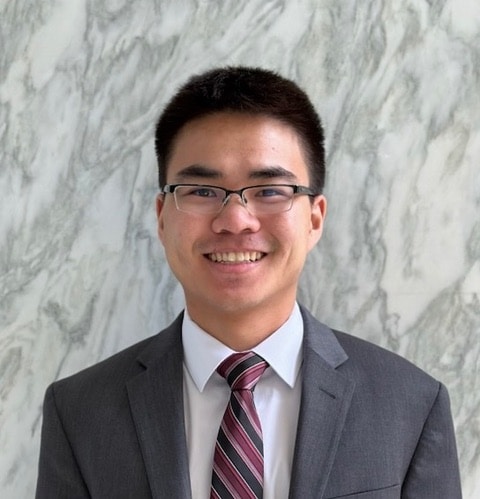
Solomon Chen
Professional Staff Member
House Education and Workforce Committee
Solomon Chen is a Professional Staff Member for the House Committee on Education & Workforce under Chairman Tim Walberg (R-MI). He covers the Higher Education Act (HEA), particularly focusing on college costs, student loans, and foreign influence. Before joining Congress, Solomon worked at the Cato Institute’s Center for Educational Freedom and at the Philanthropy Roundtable’s civic education program. Solomon is a former Asian Pacific American Institute for Congressional Studies (APAICS) Fellow and former Falls Church Anglican Fellow. Solomon holds a degree in political science from Biola University and was a member of Biola’s Torrey Honors Institute.
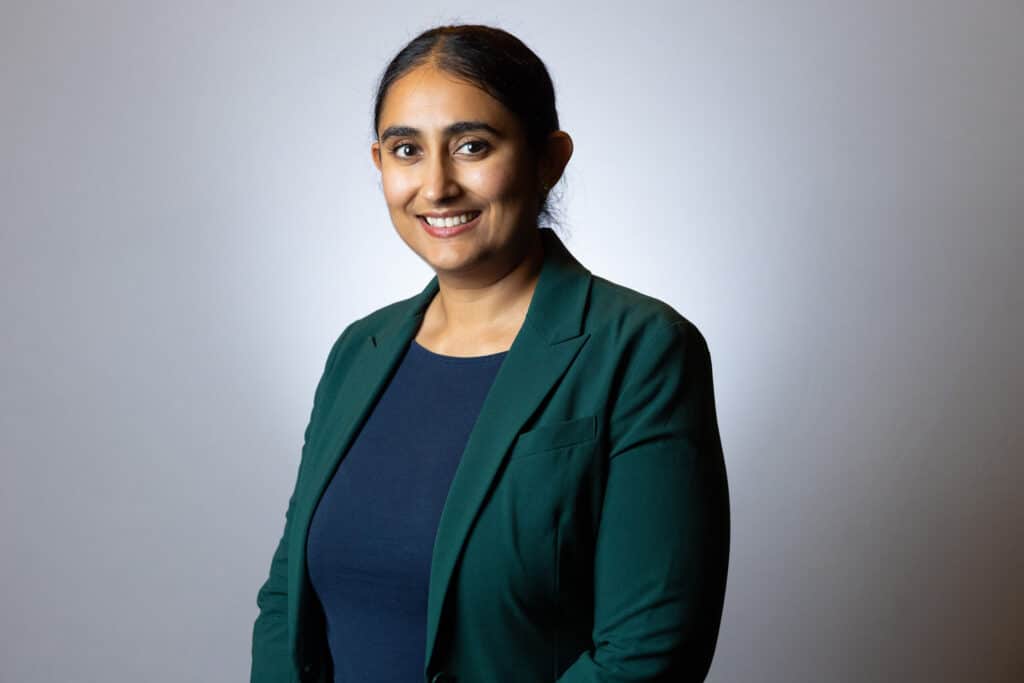
Priyanka K. Hooghan
Senior Manager, Policy at The Carbon to Sea Initiative
House Science, Space and Technology Subcommittee on the Environment
Priyanka brings nearly a decade of experience advancing U.S. energy, environment, and climate policy within the federal government. She most recently served as Chief of Staff for the Office of Fossil Energy and Carbon Management at the U.S. Department of Energy (DOE), where she led the implementation of major climate legislation, including the Bipartisan Infrastructure Law and the Inflation Reduction Act. Before her time at the DOE, Priyanka was Subcommittee Staff Director for the Environment Subcommittee of the U.S. House Committee on Science, Space, and Technology. She helped develop bipartisan climate research and legislation, such as the CHIPS and Science Act and the PROSWIFT Act.
Priyanka started her congressional career as a STEM graduate fellow with the Asian Pacific American Institute for Congressional Studies (APAICS) in Senator Mazie K. Hirono’s office, sponsored by the American Petroleum Institute. Prior to moving to Washington, she worked as an environmental engineer in Chicago and Dallas, focusing on air quality permitting and compliance. Priyanka holds a B.S. in environmental engineering from Southern Methodist University and an M.S. in Environmental Engineering from Stanford University.
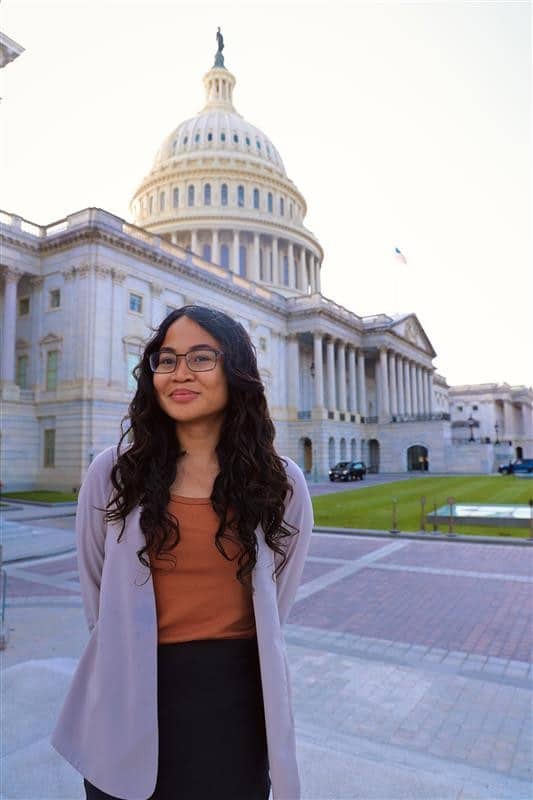
Michelle Tabajonda
Senior Health Policy Advisor, Representative Nanette Barragán
House Energy and Commerce Committee
Michelle Tabajonda serves as the Senior Health Policy Advisor for Congresswoman Nanette Barragán (CA-44). Previously, she was an APAICS Legislative Fellow for Rep. Judy Chu (CA-28)/Congressional Asian Pacific American Caucus (CAPAC). Originally from Southeast Los Angeles, Michelle also has experience in policy advocacy and academic research. She received her MPH in Health Policy from UCLA and her BS in Neuroscience from UC Riverside.
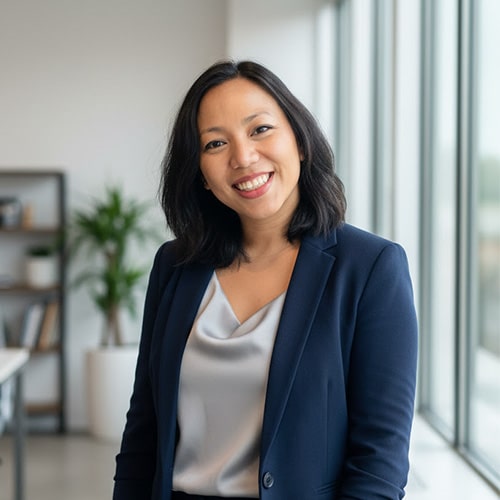
Moderator
Gisela Perez Kusakawa is Executive Director of Asian American Scholar Forum (AASF) and a civil rights attorney with extensive experience in anti-profiling, national security, and civil rights policy and advocacy. She has led coalition efforts to end the Department of Justice’s “China Initiative,” served as a legal strategist in amicus briefs for high-impact cases involving Asian American scientists, and is a nationally recognized voice on issues affecting Asian American scholars and communities.
Stay Informed. Stay Engaged.
Understanding how Congress works is an important step toward ensuring that scholars and scientists have a voice in decisions affecting research, higher education, and America’s scientific leadership.
Whether you attended the live discussion or are watching for the first time, Congress 202 offers valuable insights into the legislative process and opportunities for meaningful engagement.
If you missed our 101 video about how congress works, you can find that here