
Top AI researchers, technology leaders, and financial innovators convene to discuss how artificial intelligence will shape the next era of American science, industry, and economic competitiveness.
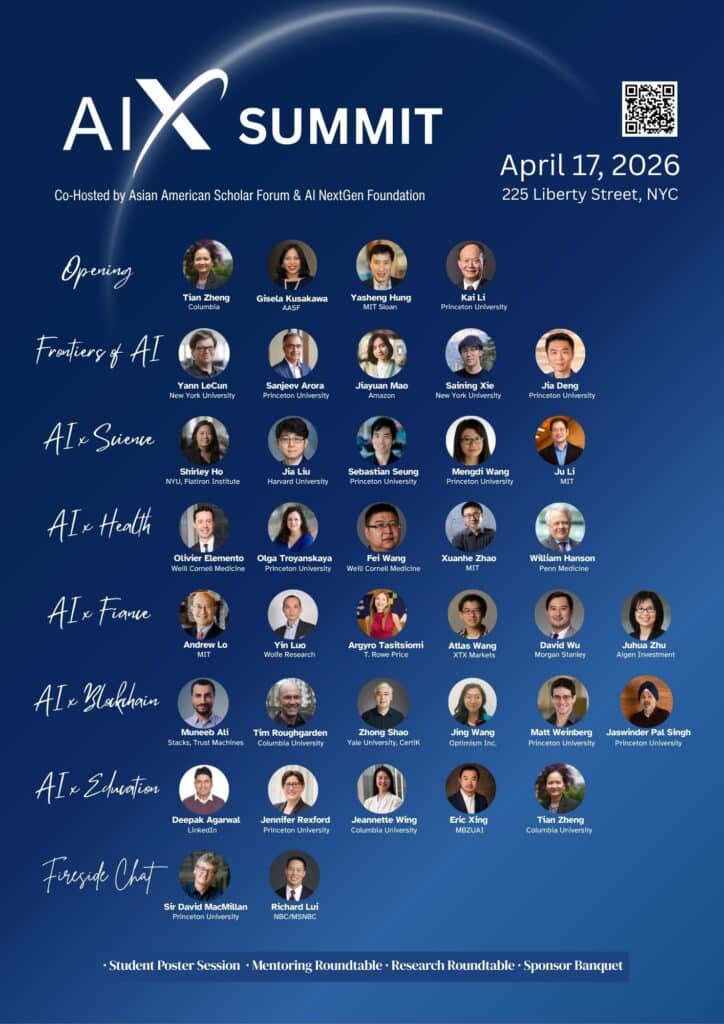
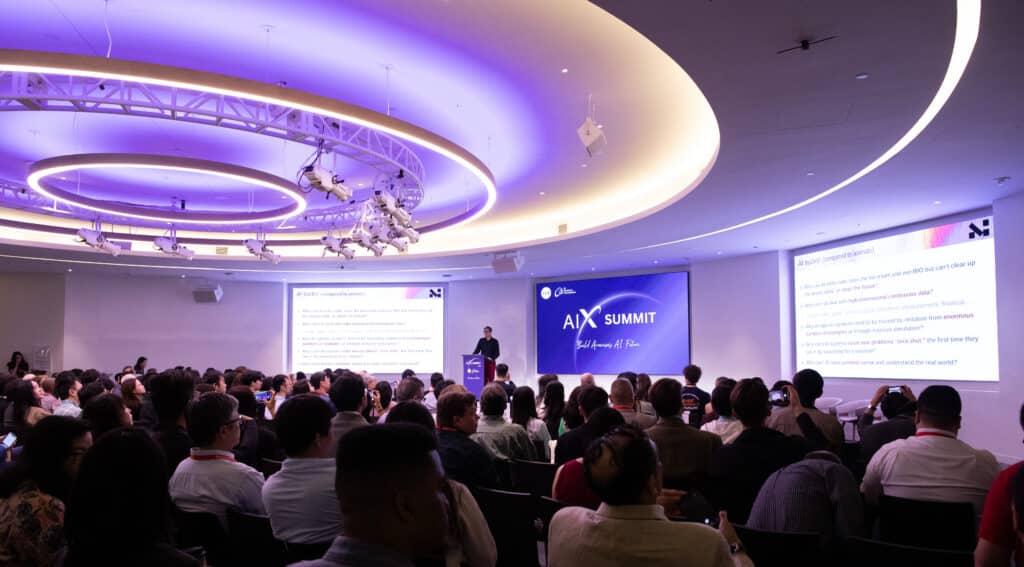
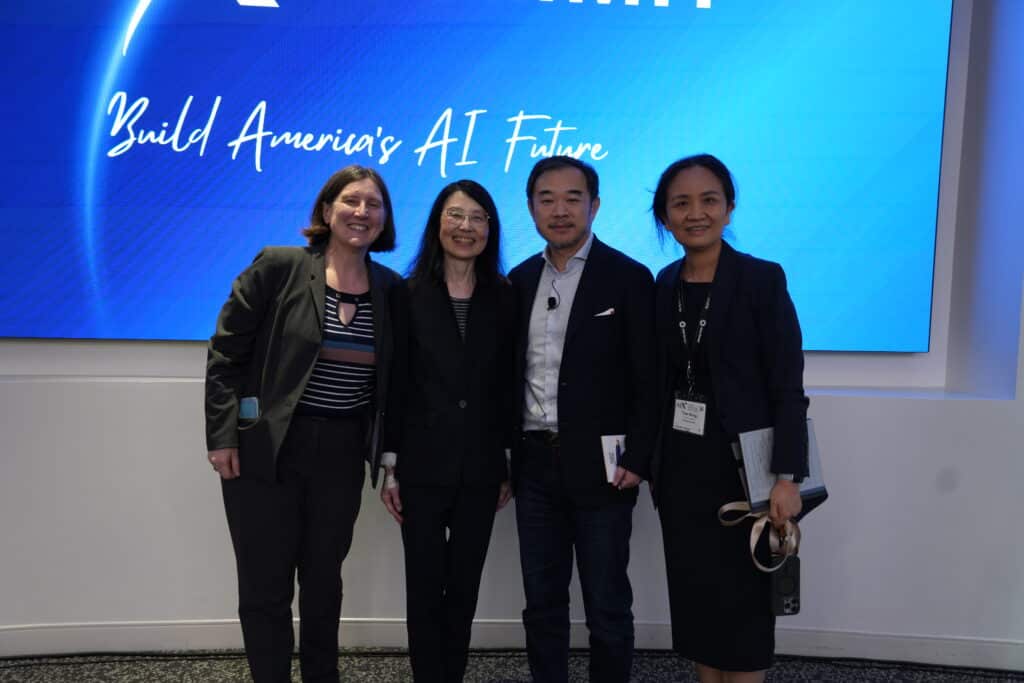
NEW YORK, NY — At a moment when artificial intelligence is rapidly reshaping global technology and economic competition, the Asian American Scholar Forum (AASF) and the AI NextGen Foundation convened leading AI researchers, technology innovators, and policy thinkers on Friday, April 17, for the inaugural AIX Summit at Convene Brookfield Place in New York City. The gathering brought together pioneers from academia, industry, and finance to examine how artificial intelligence will drive the next wave of American scientific discovery, technological development, and economic growth.
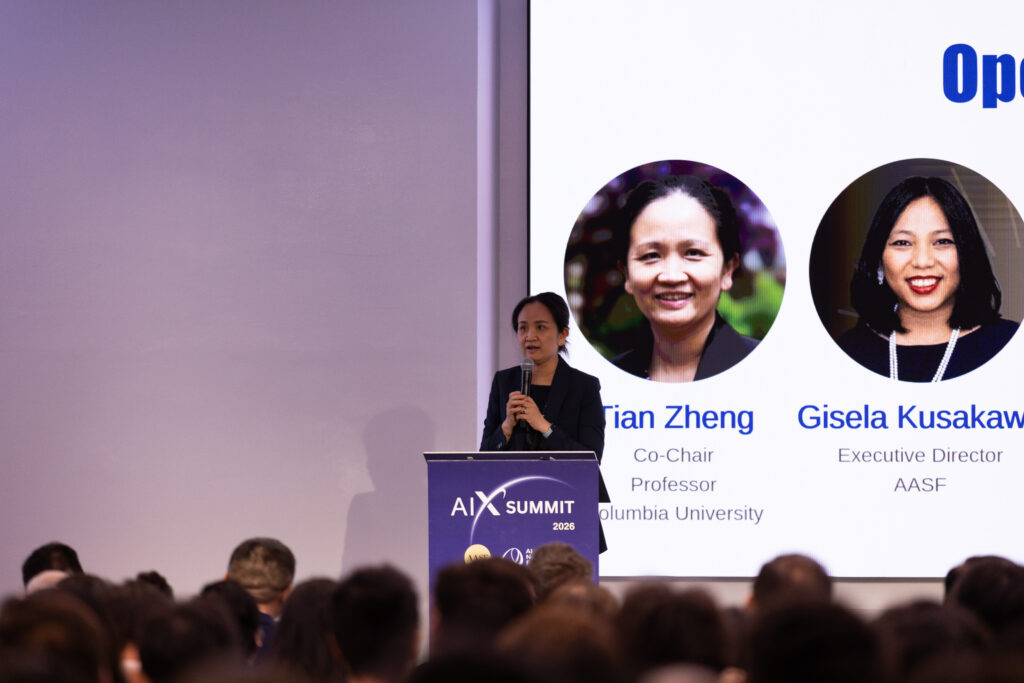
Over 700 attendees representing academia, industry, and leadership.heard directly from some of the most influential figures in artificial intelligence and technology today, including Turing Award recipient Yann LeCun of New York University, financial innovation leader Andrew W. Lo of MIT, computer science pioneer Jennifer Rexford of Princeton University, and national AI research strategist Jeannette M. Wing of Columbia University, alongside nearly 30 additional speakers leading advancements in AI research, policy, and deployment.
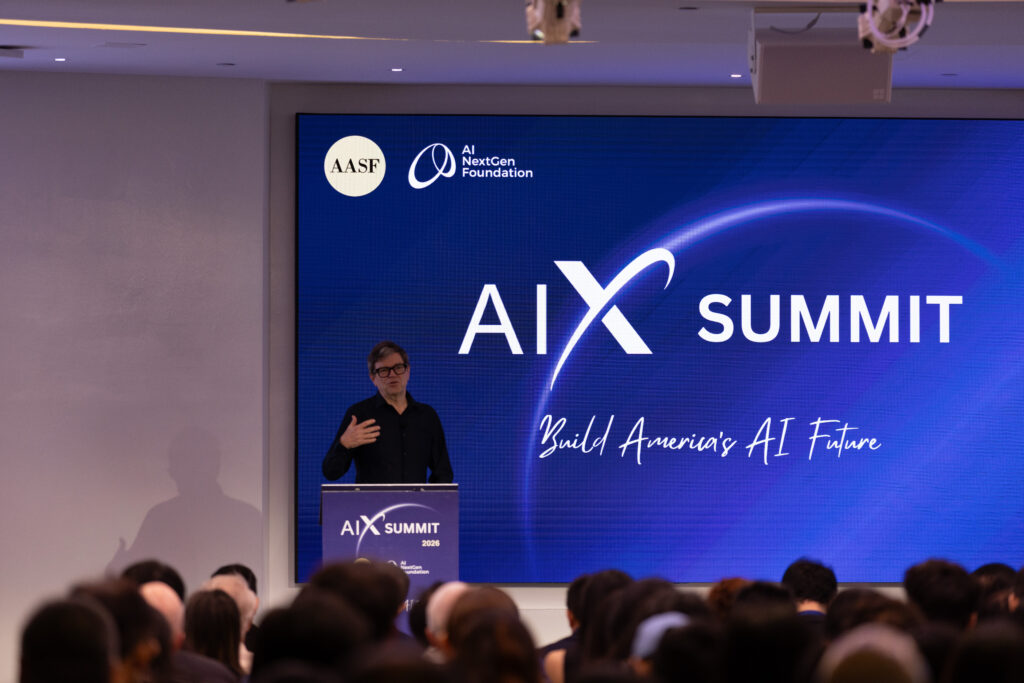
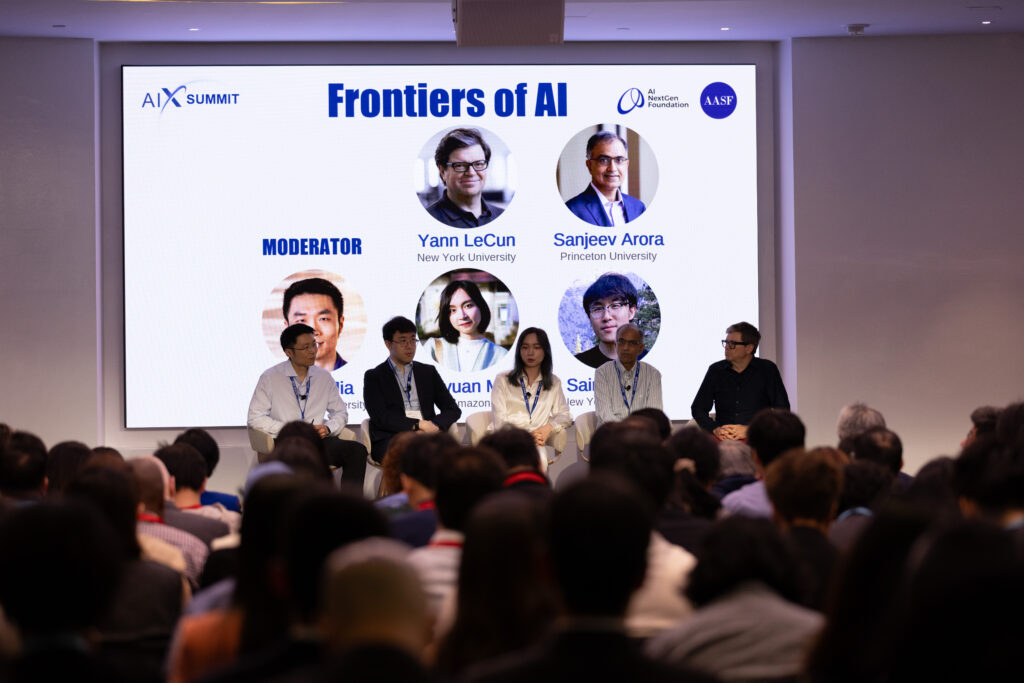
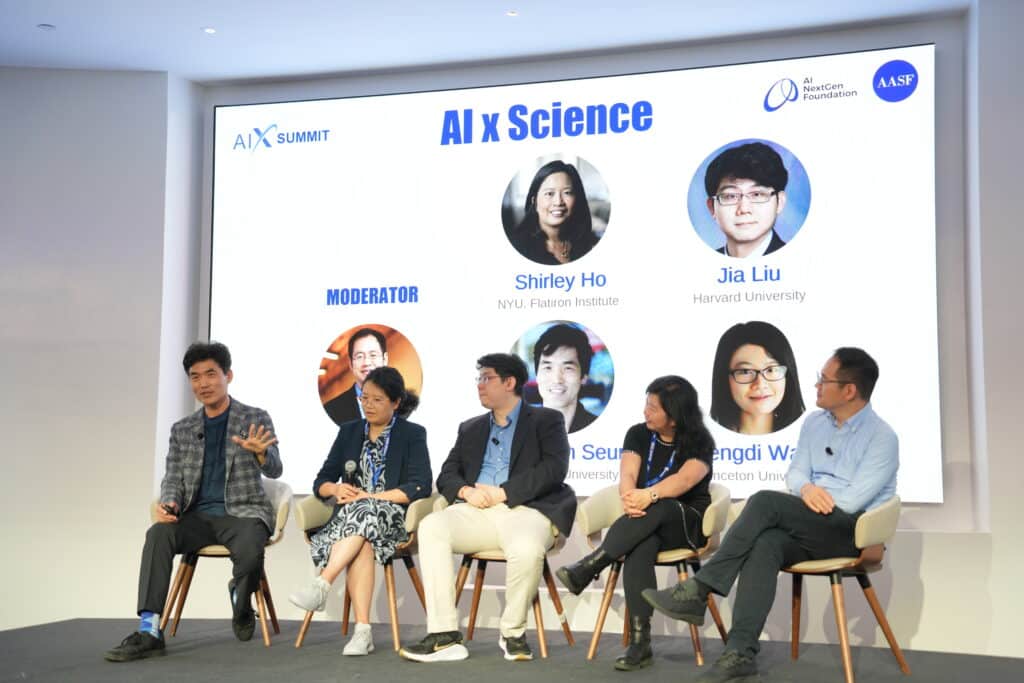
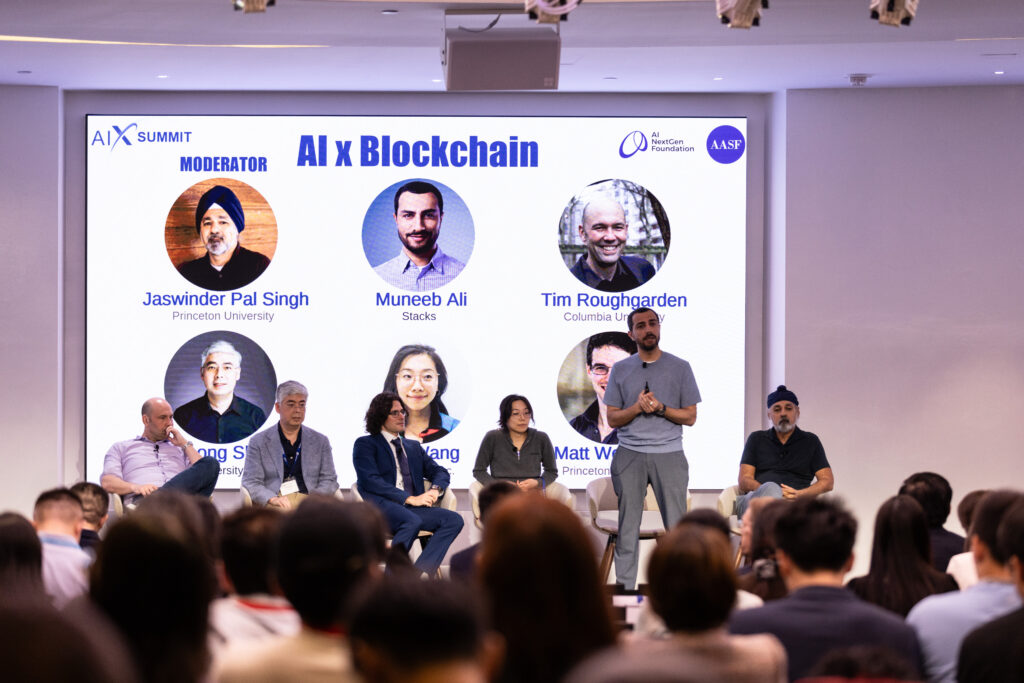
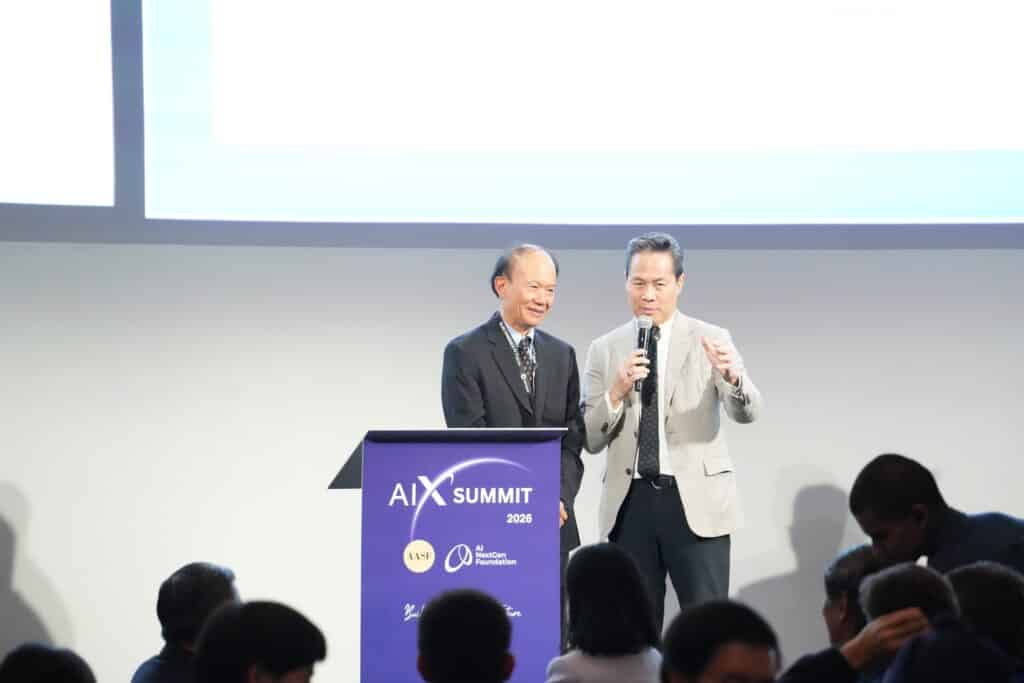
In a keynote speech at the AIX Summit, Turing Award winner and founder of AMI Labs Yann LeCun issued a sharp challenge to the current mainstream path of generative AI. He pointed out that AI will never achieve true intelligence by relying solely on text-based training, as the volume of information in text is far from representative of the totality of human knowledge. LeCun believes that the next leap in AI will come from “self-supervised learning” and “World Models,” allowing AI to “spontaneously” learn the laws of physics and common sense by observing the physical world, thereby filling the gap in real-world understanding left by Large Language Models.
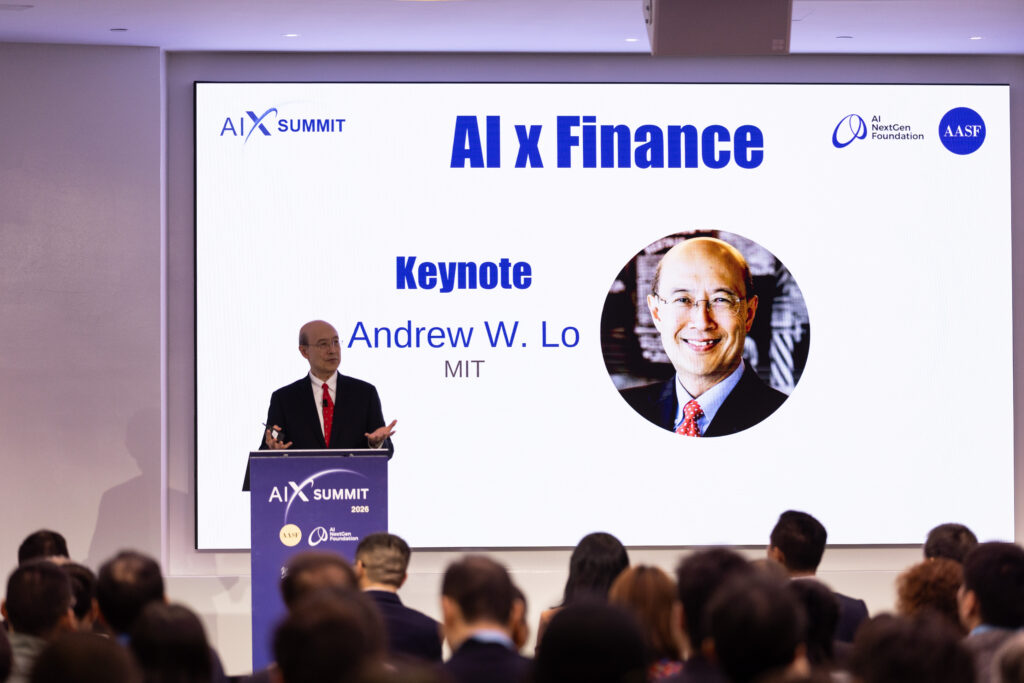
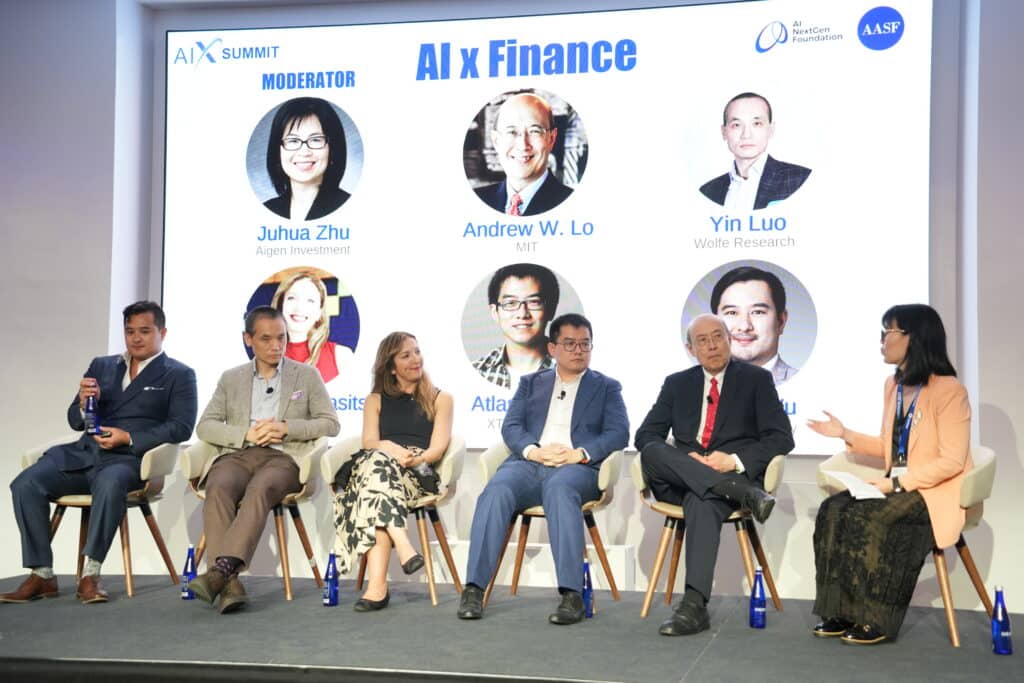
At the AASF Annual Meeting, MIT Professor Andrew Lo introduced a rigorous framework for evaluating AI’s role in financial services, which he calls the “Five Pillars of Trust”: Competence, Reliability, Alignment, Accountability, and Data Security.
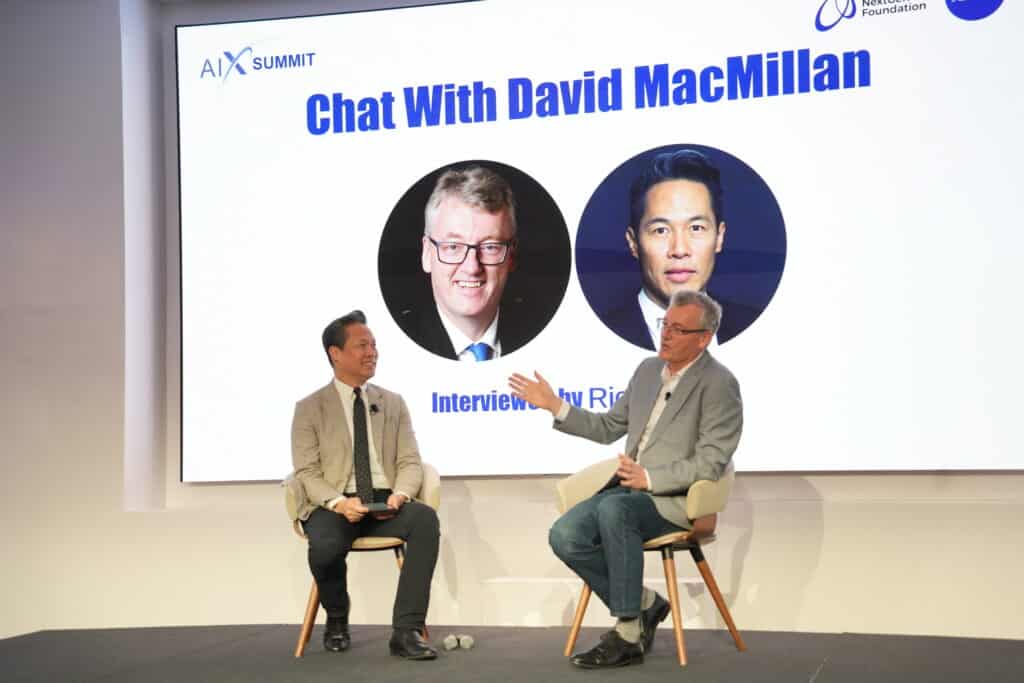
The program also featured a fireside conversation hosted by NBC and MSNBC anchor Richard Lui with Nobel Laureate Sir David MacMillan of Princeton University, exploring the role of scientific discovery in shaping the next generation of technologies.
“We shouldn’t think about the world that is right now,” said Nobel Laureate Sir David MacMillan of Princeton University, “Instead of focusing on what we can do right now, we have to focus on what we want it to be, and then go and invent that. AI is going to be absolutely revolutionary in changing that and changing the problems that we even identify. Once we get the problems as humans, we’re actually very good at solving them.”
Participants represented a broad cross section of institutions driving AI innovation, including Princeton University, MIT, Harvard University, Columbia University, Weill Cornell Medicine, Yale University, LinkedIn, Morgan Stanley, T. Rowe Price, and Amazon Frontier AI and Robotics. The Summit offered a rare opportunity for dialogue among experts working across science, technology, finance, health, and public policy.
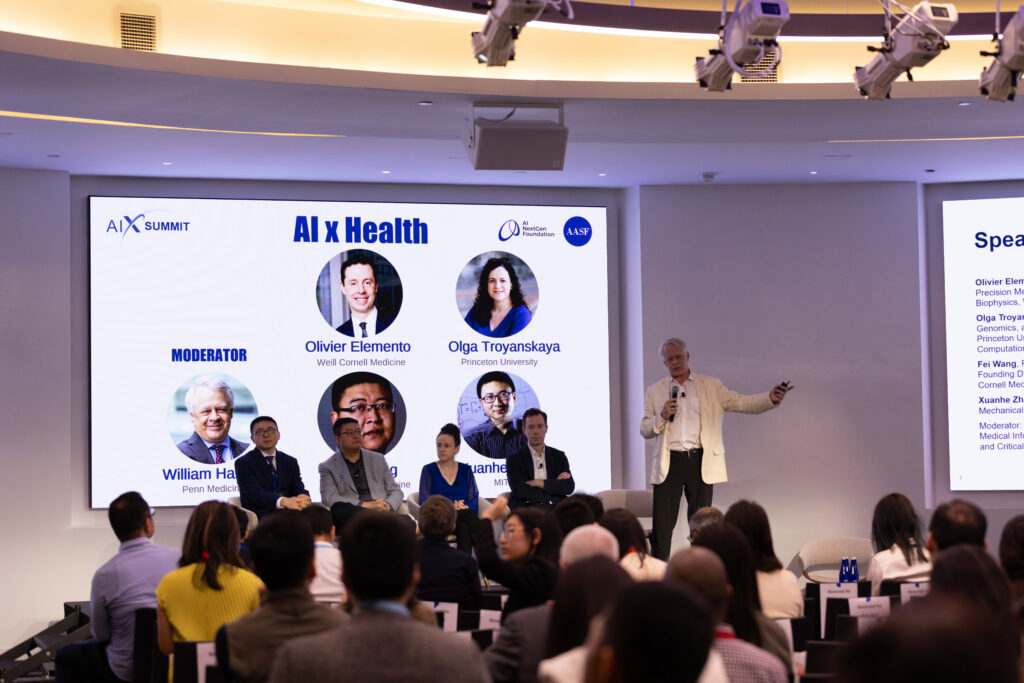
“Disease is complex, and the measurements that we made are complex,” said Olivier Elemento, Director, Englander Institute for Precision Medicine; Professor of Physiology and Biophysics, Weill Cornell Medicine. “The new ways of analyzing data using AI, because we can do this across many patients and find connections between genes and outcomes, are really quite feasible right now. I really think medicine needs to enter a much more data era, compared to what it’s doing now. I think it’s really the future of medicine.”
Featured Speakers
The inaugural Summit included globally recognized leaders shaping the AI landscape:
Yann LeCun
Turing Awardee and Silver Professor at New York University
Widely regarded as a pioneer of modern artificial intelligence, LeCun is one of the foundational architects of deep learning and a leading voice on the future direction of AI research and development.
Nobel Laureate and A. Barton Hepburn Professor of Chemistry at Princeton University
His discoveries have reshaped modern chemical research, accelerating innovation in pharmaceuticals, materials science, and sustainable chemistry while advancing America’s leadership in scientific discovery.
Provost, Professor of Computer Science, and Gordon Y. S. Wu Professor in Engineering, Princeton University
A pioneering computer scientist and academic leader, Rexford is recognized for her transformative work in computer networking and her leadership in shaping the future of technology, engineering education, and interdisciplinary innovation.
Andrew W. Lo
Charles E. and Susan T. Harris Professor at MIT Sloan School of Management and Director of the MIT Laboratory for Financial Engineering
A globally respected financial economist, Lo is advancing the integration of AI into capital markets, risk modeling, and financial systems.
Jeannette M. Wing
Executive Vice President for Research and Professor of Computer Science at Columbia University
A national leader in AI research strategy and policy, Wing has played a pivotal role in shaping major federal AI initiatives and advancing large-scale computing research.
See our full list of 29 speakers on our event website.
###
Asian American Scholar Forum (AASF) is a national nonprofit that promotes belonging, freedom, and equality for all. In response to heightened anti-Asian sentiments and profiling in the U.S., AASF has been a leading national voice fighting for the rights of Asian American and immigrant scientists, researchers, and scholars. AASF membership includes members from the National Academy of Engineering, the National Academy of Medicine, the National Academy of Science, and the American Academy of Arts & Sciences, in addition to past and current university presidents, provosts, vice provosts, deans, associate deans, and past and current department chairs.
At the AI NextGen Foundation, we harness the power of artificial intelligence to transform education. Our goal is to create innovative solutions that advance equitable access and empower the next generation to thrive in an AI-driven future.