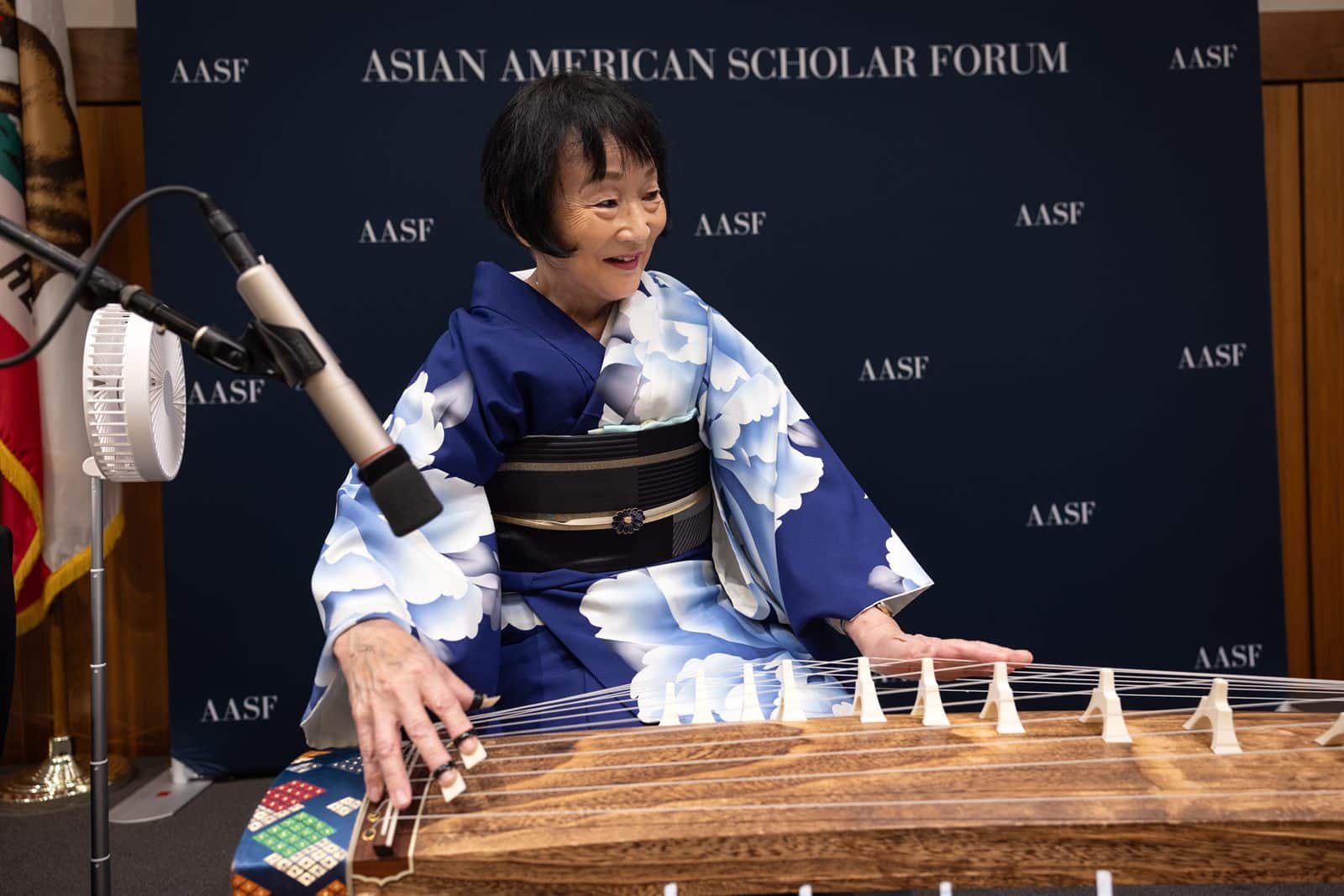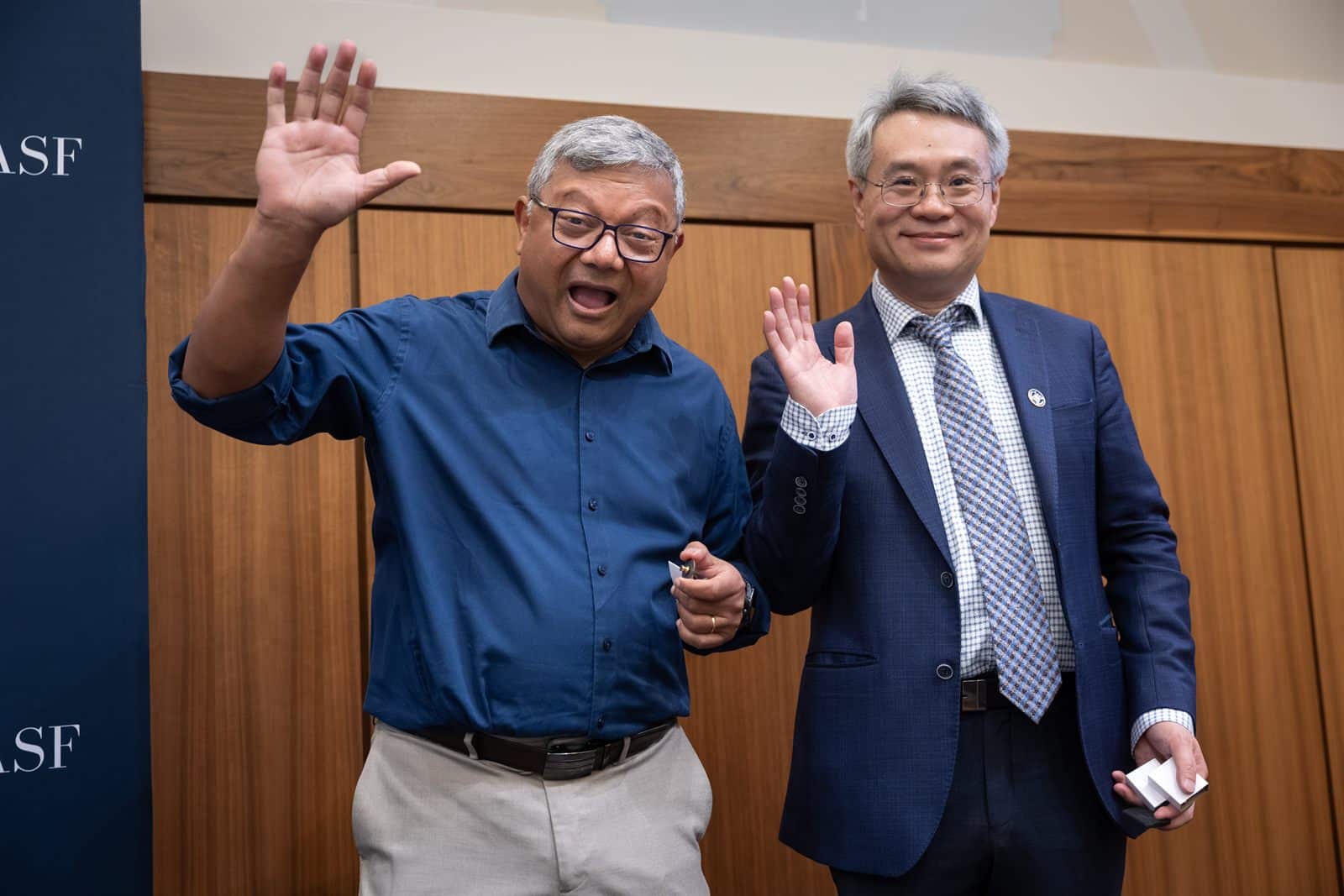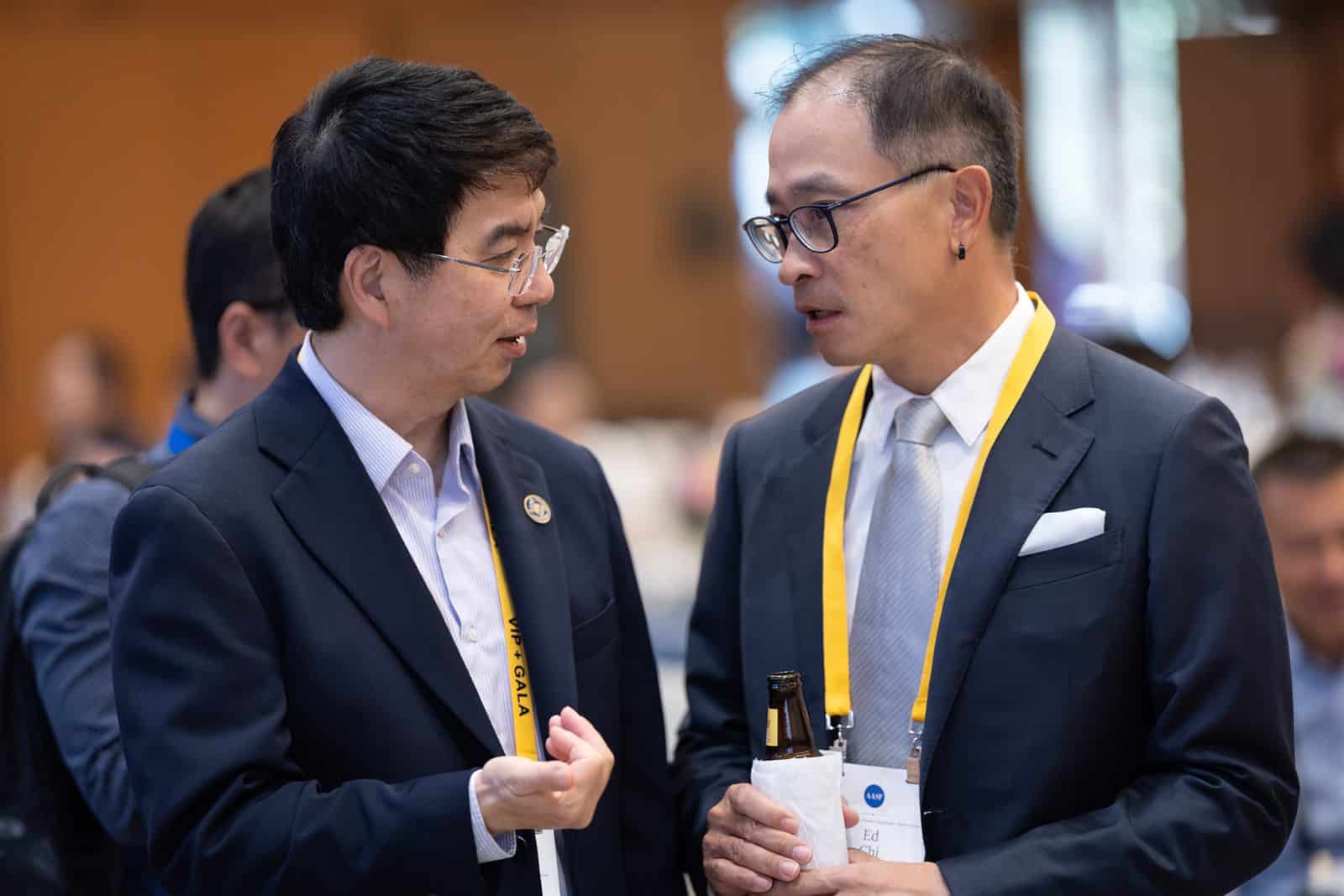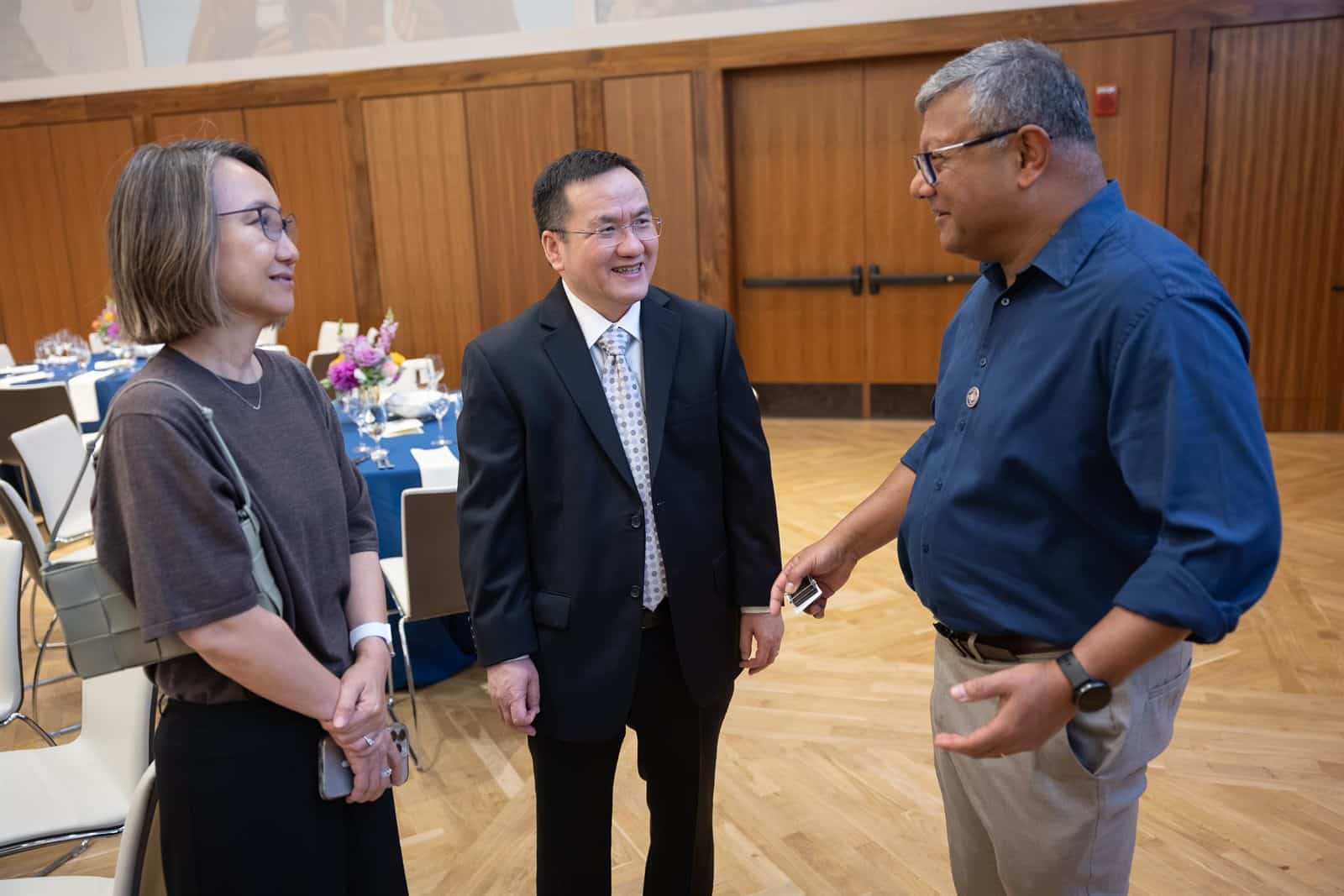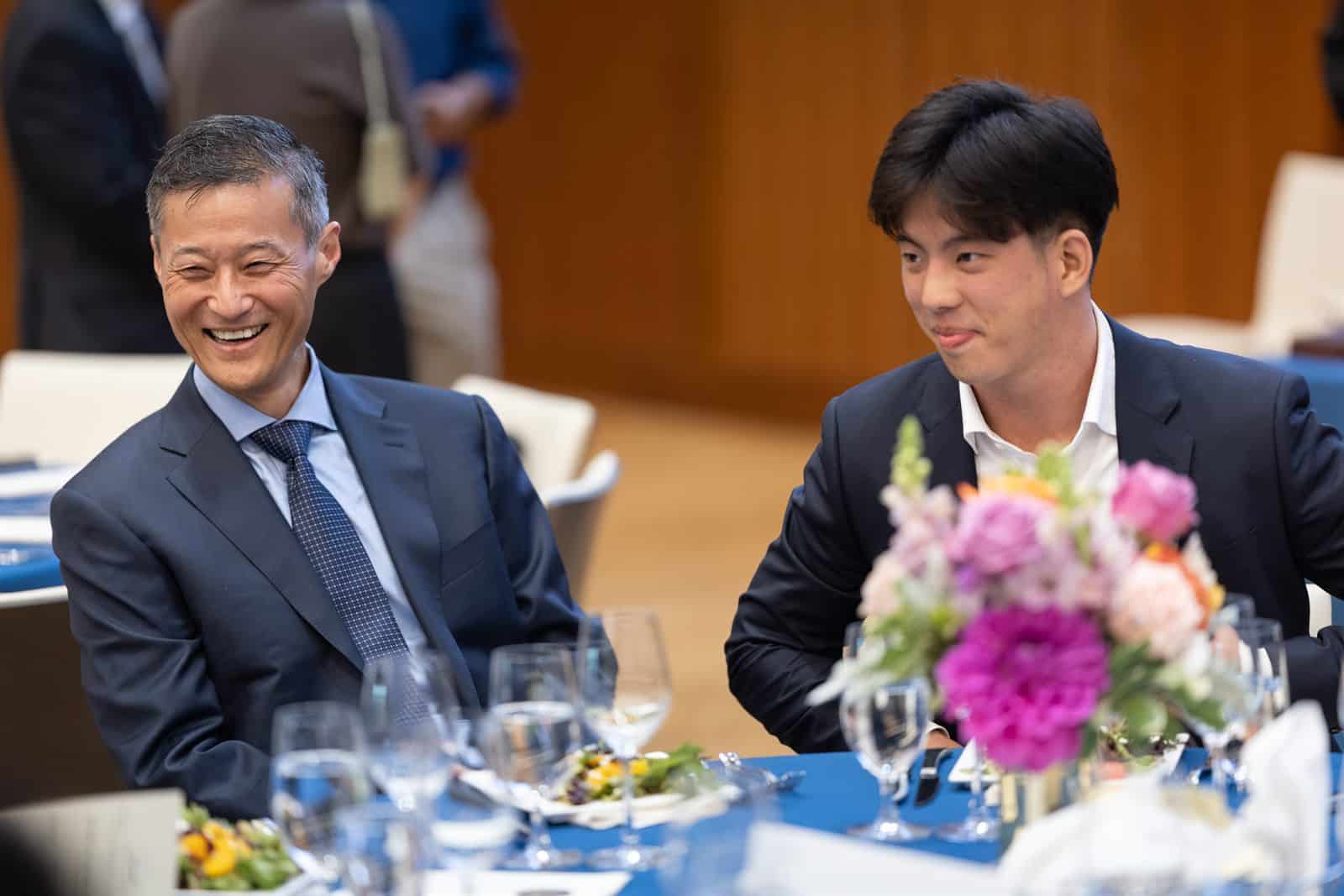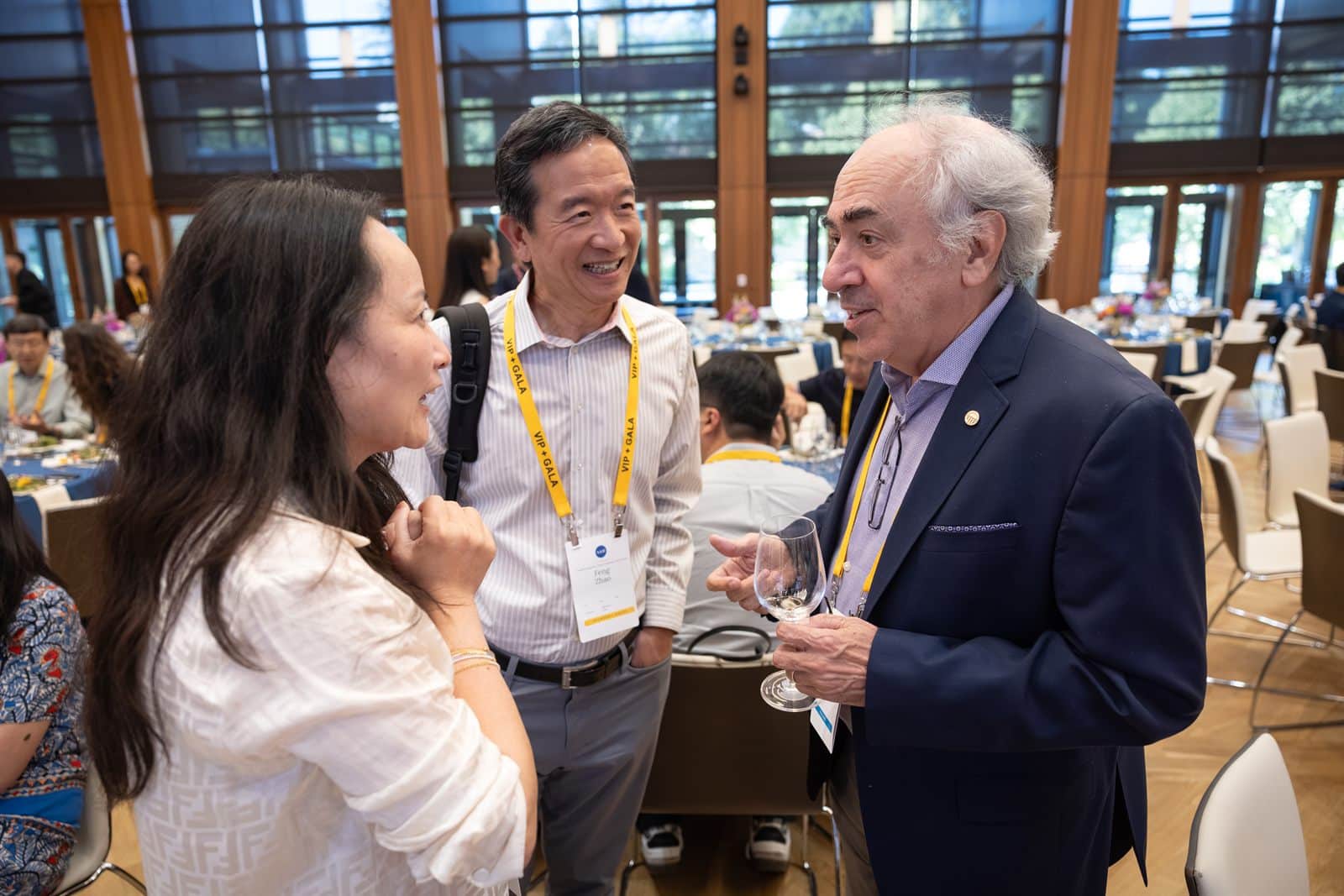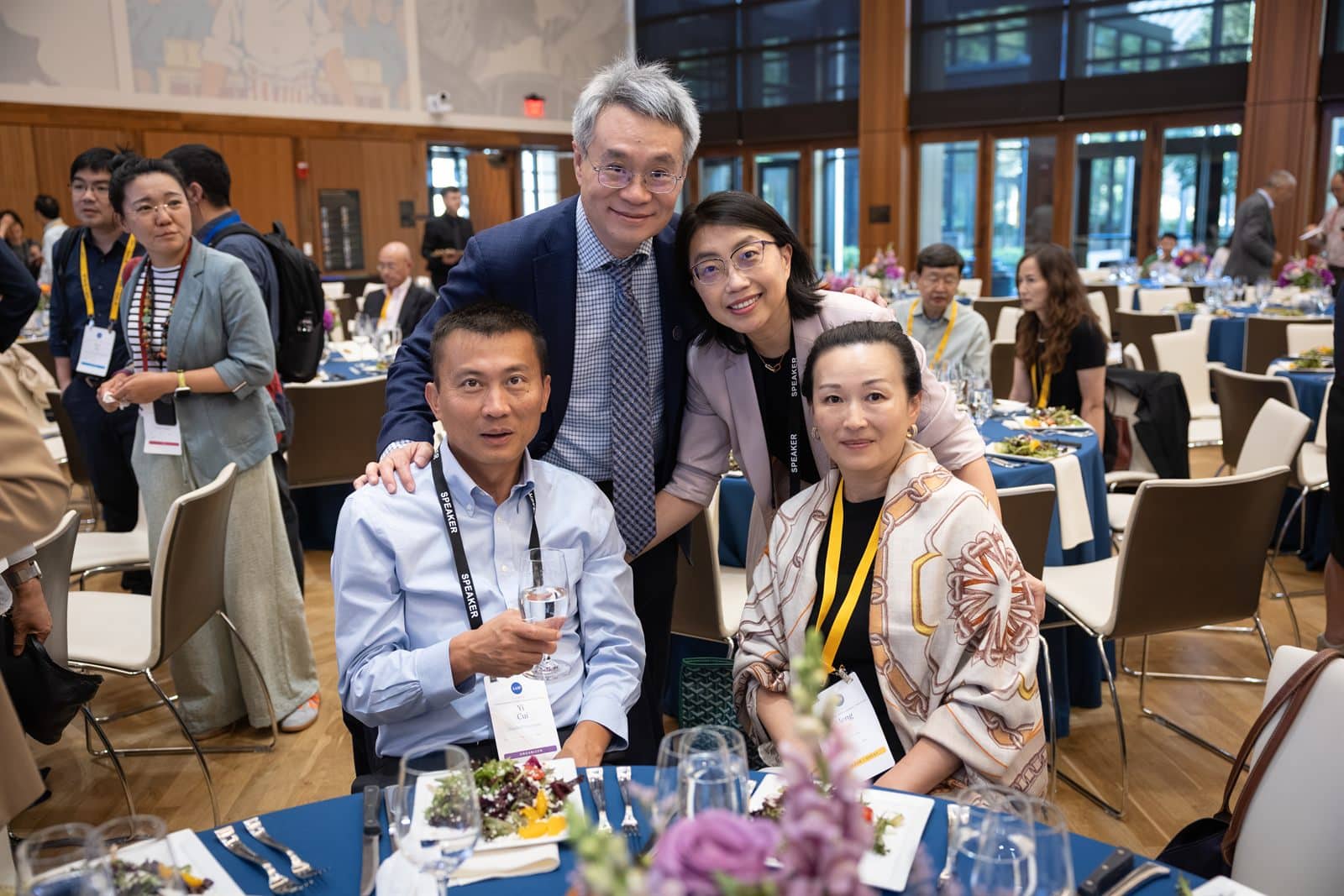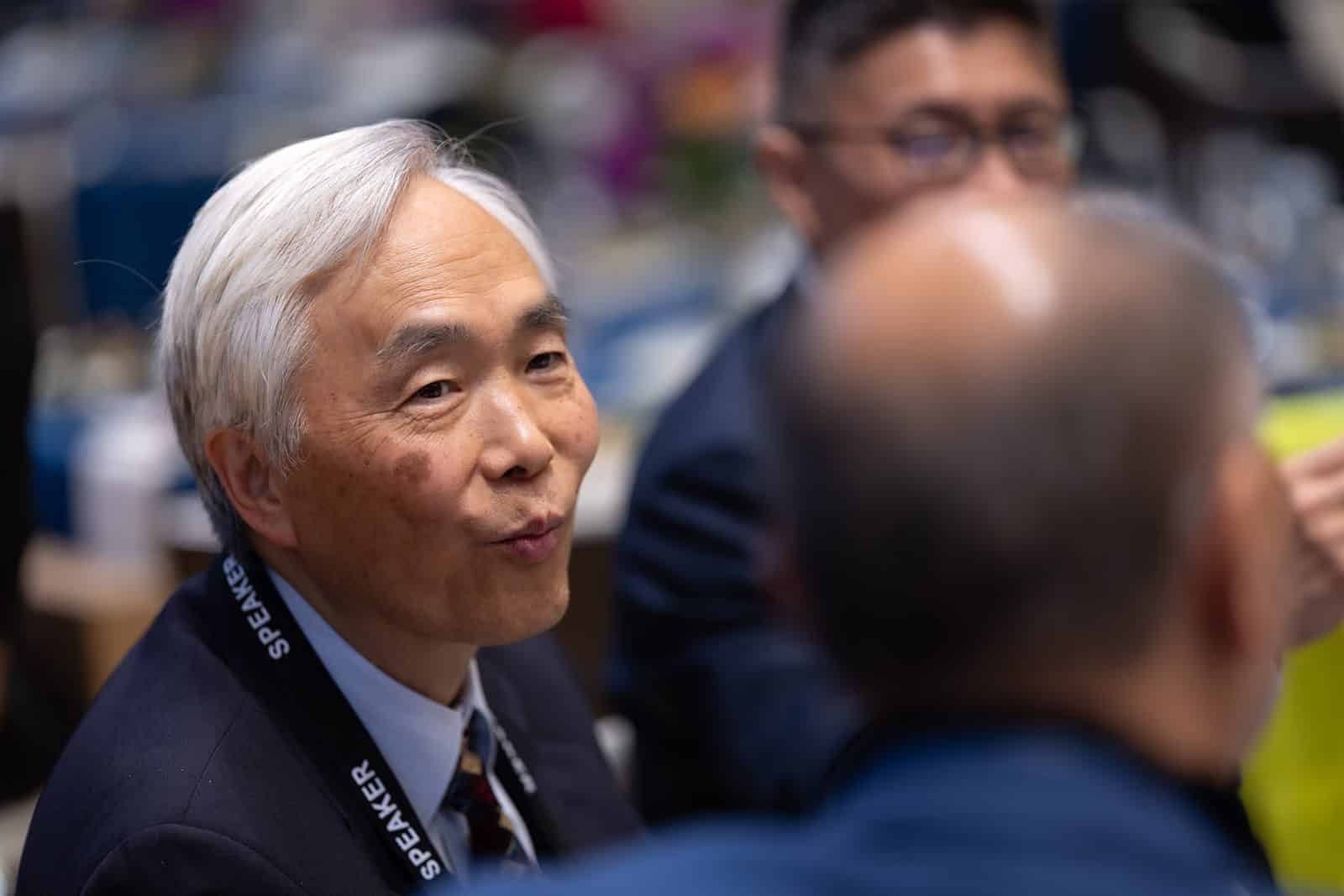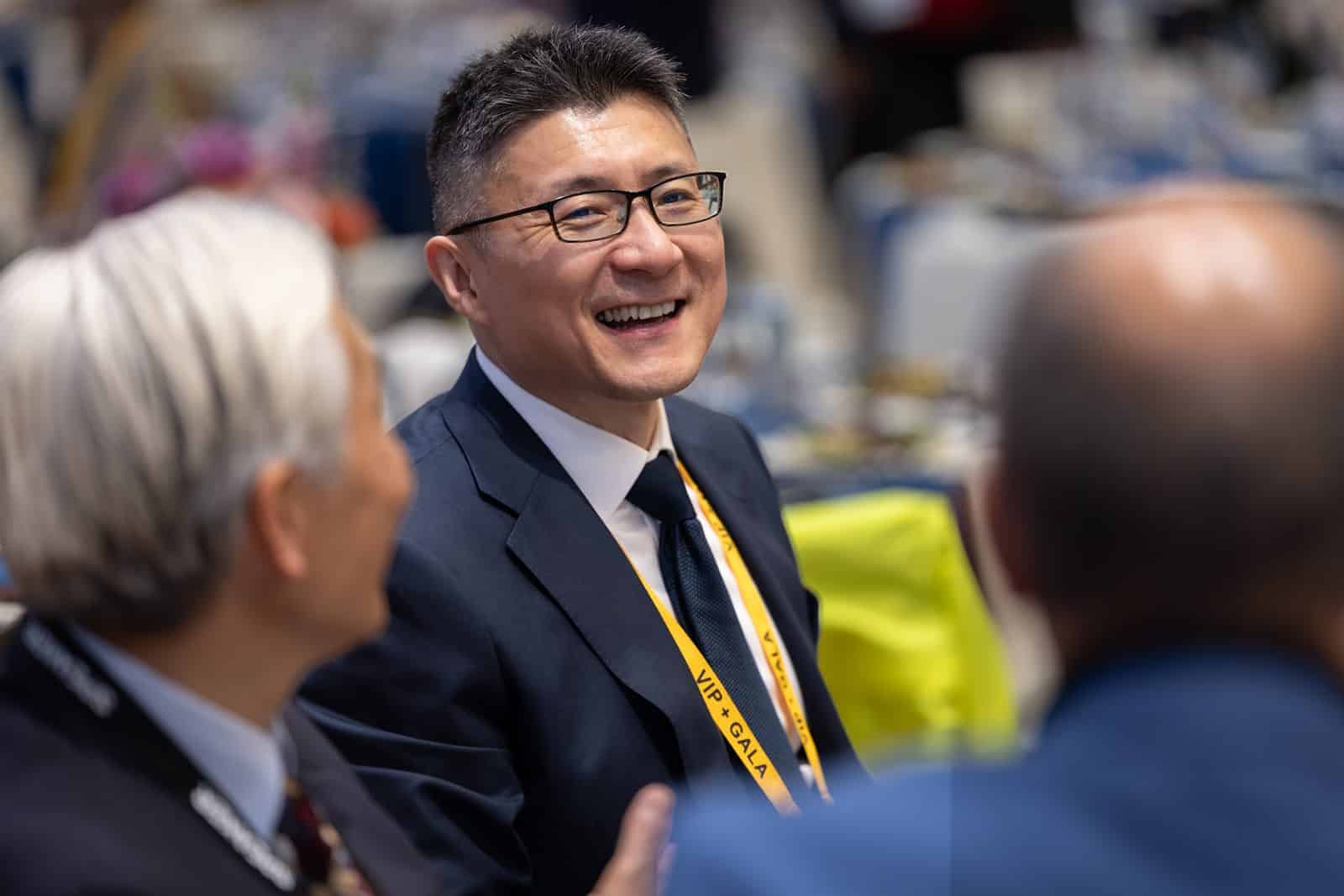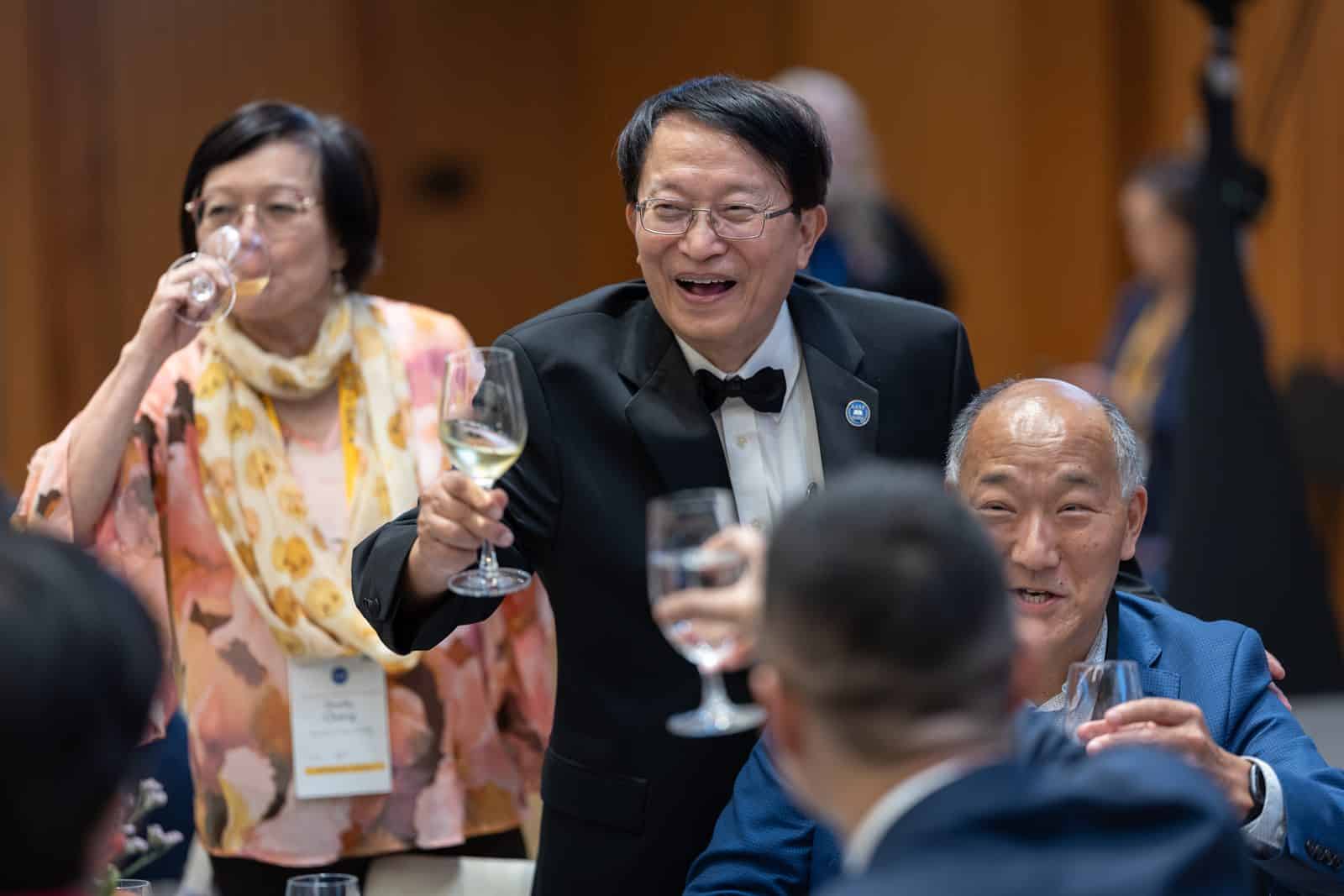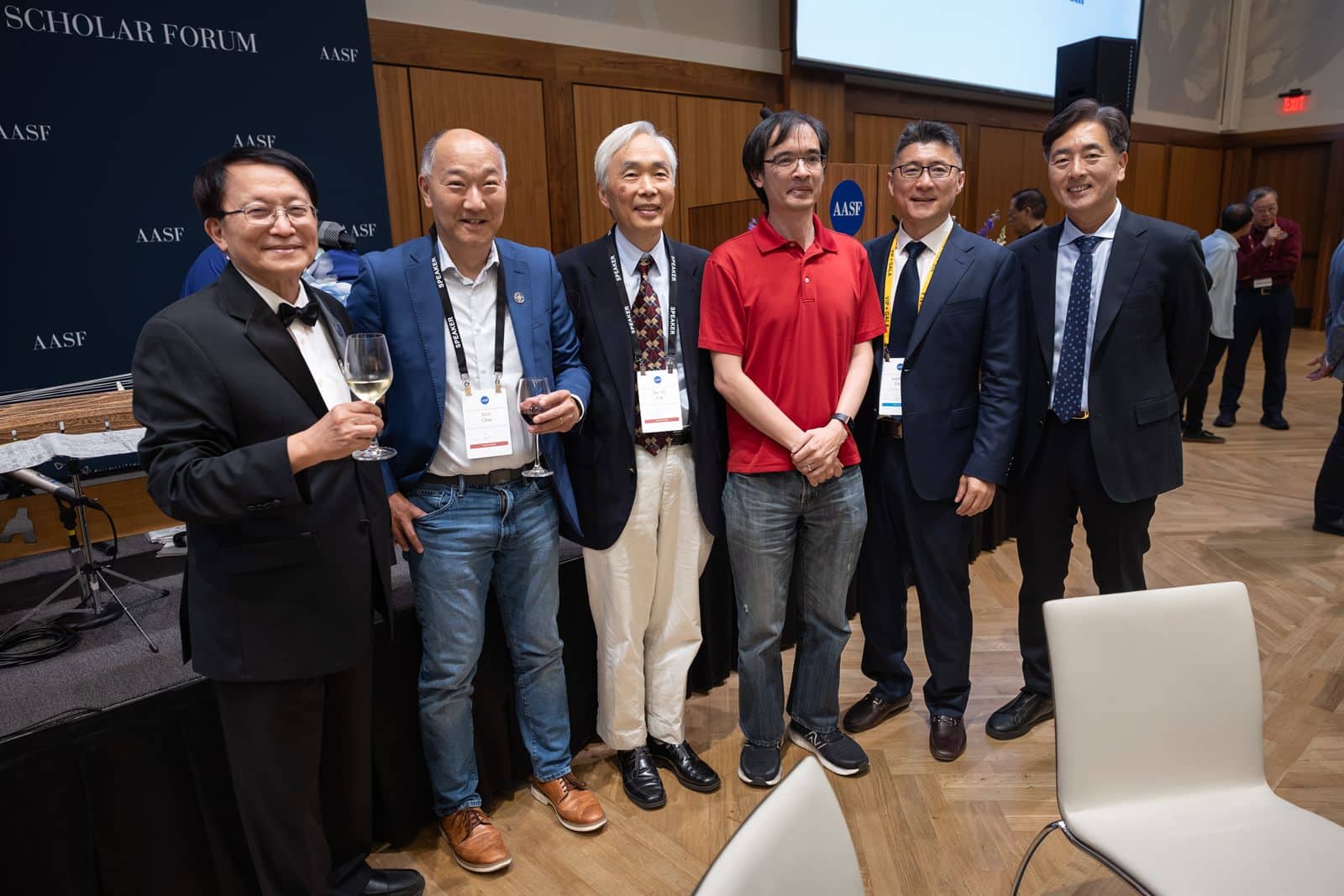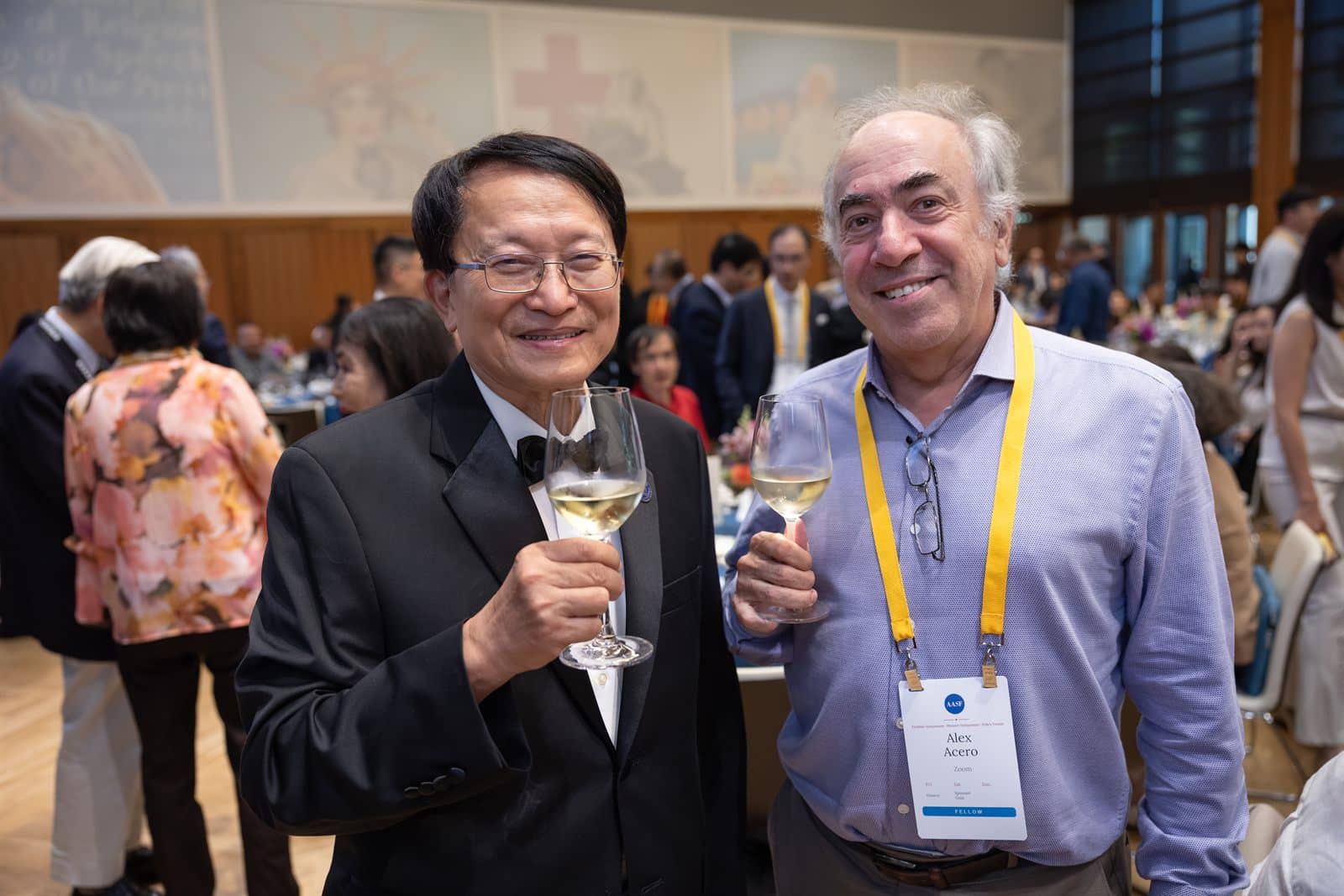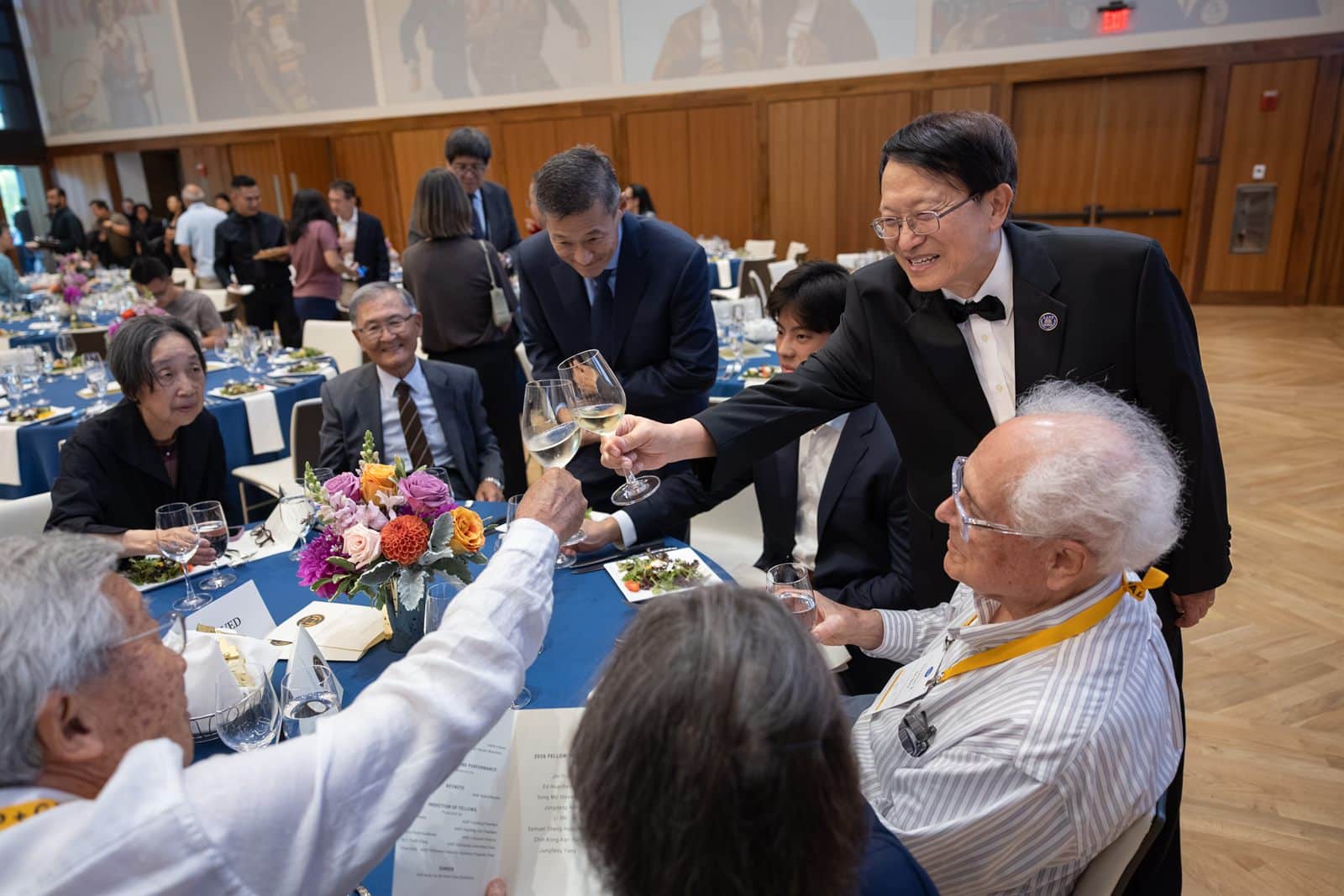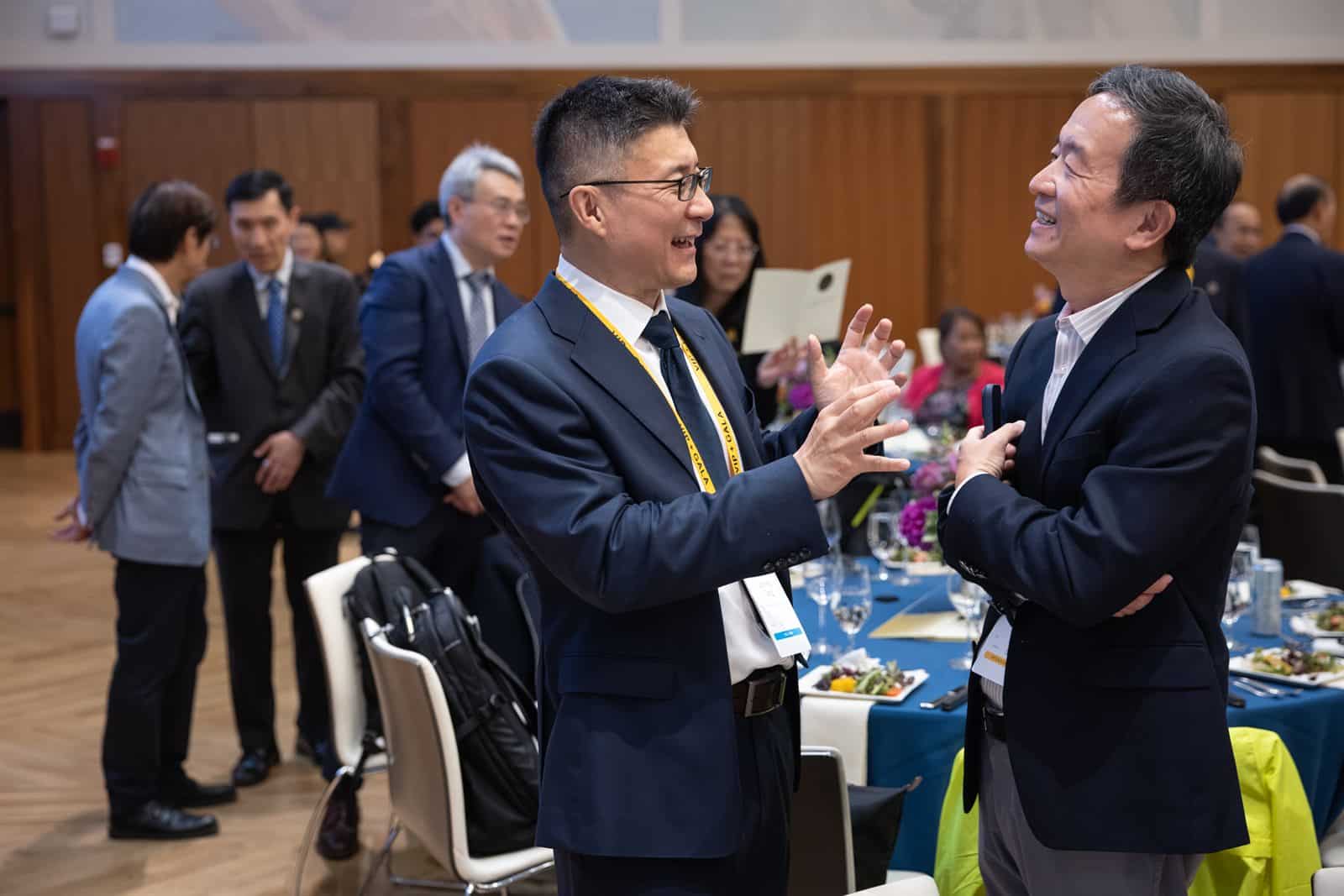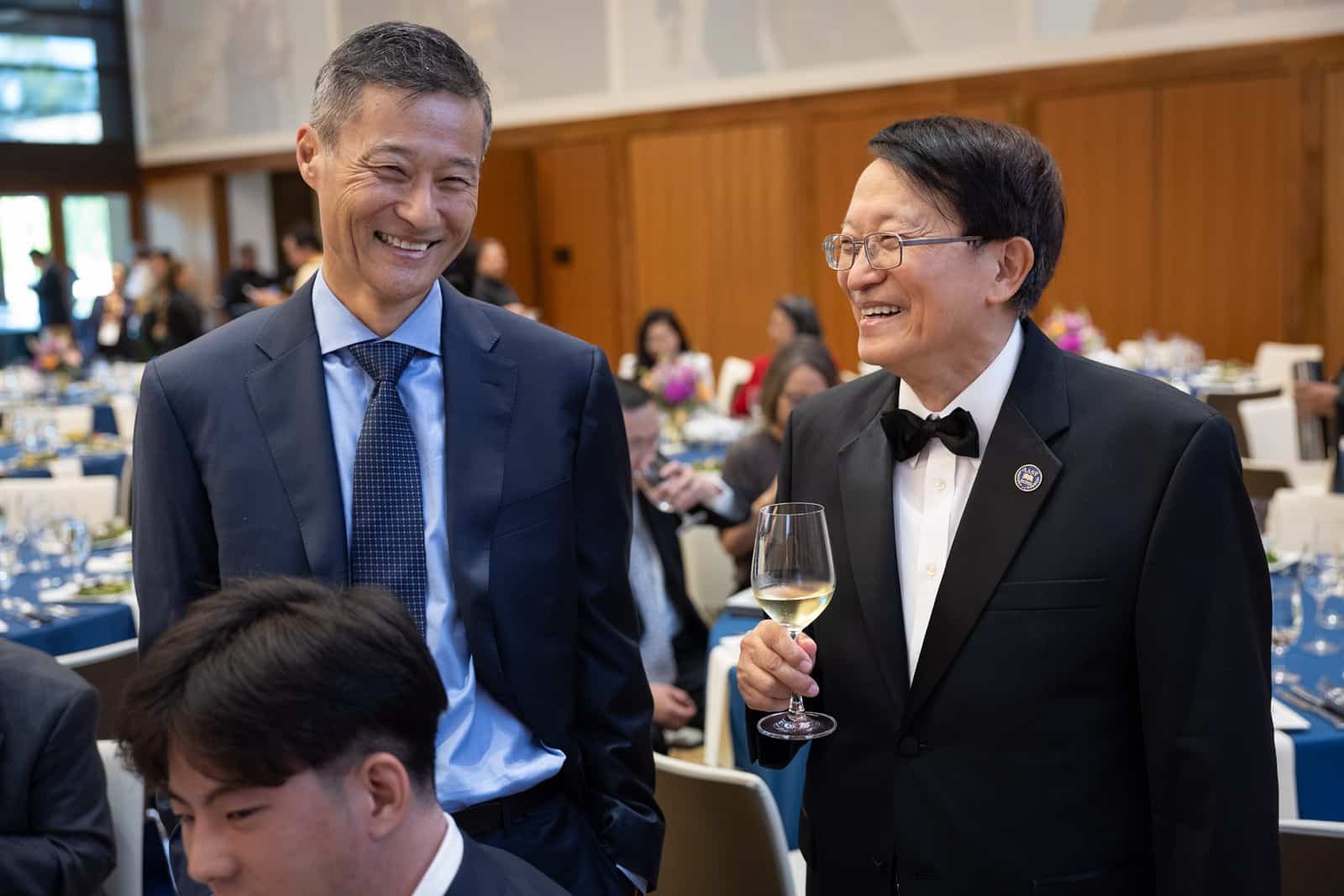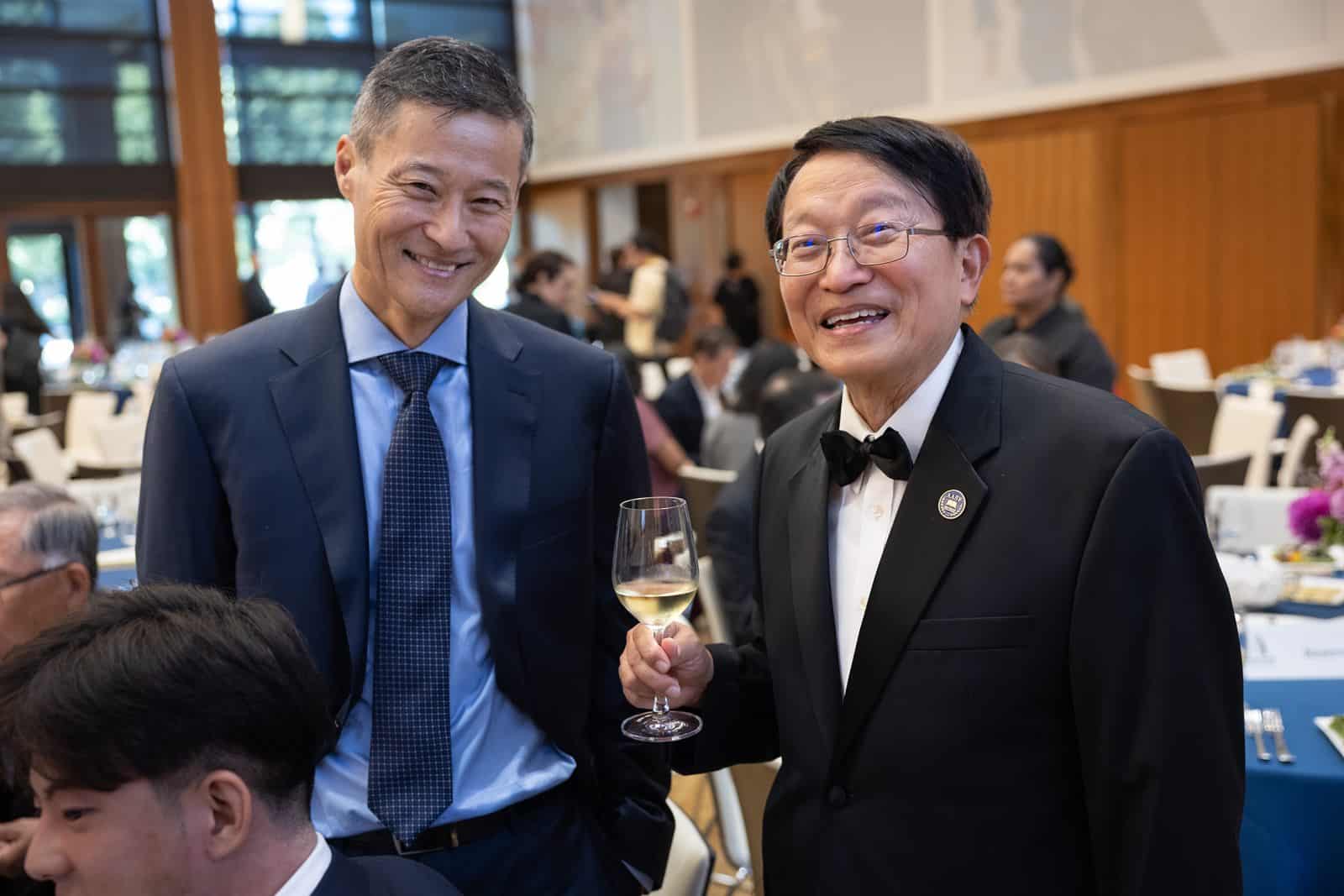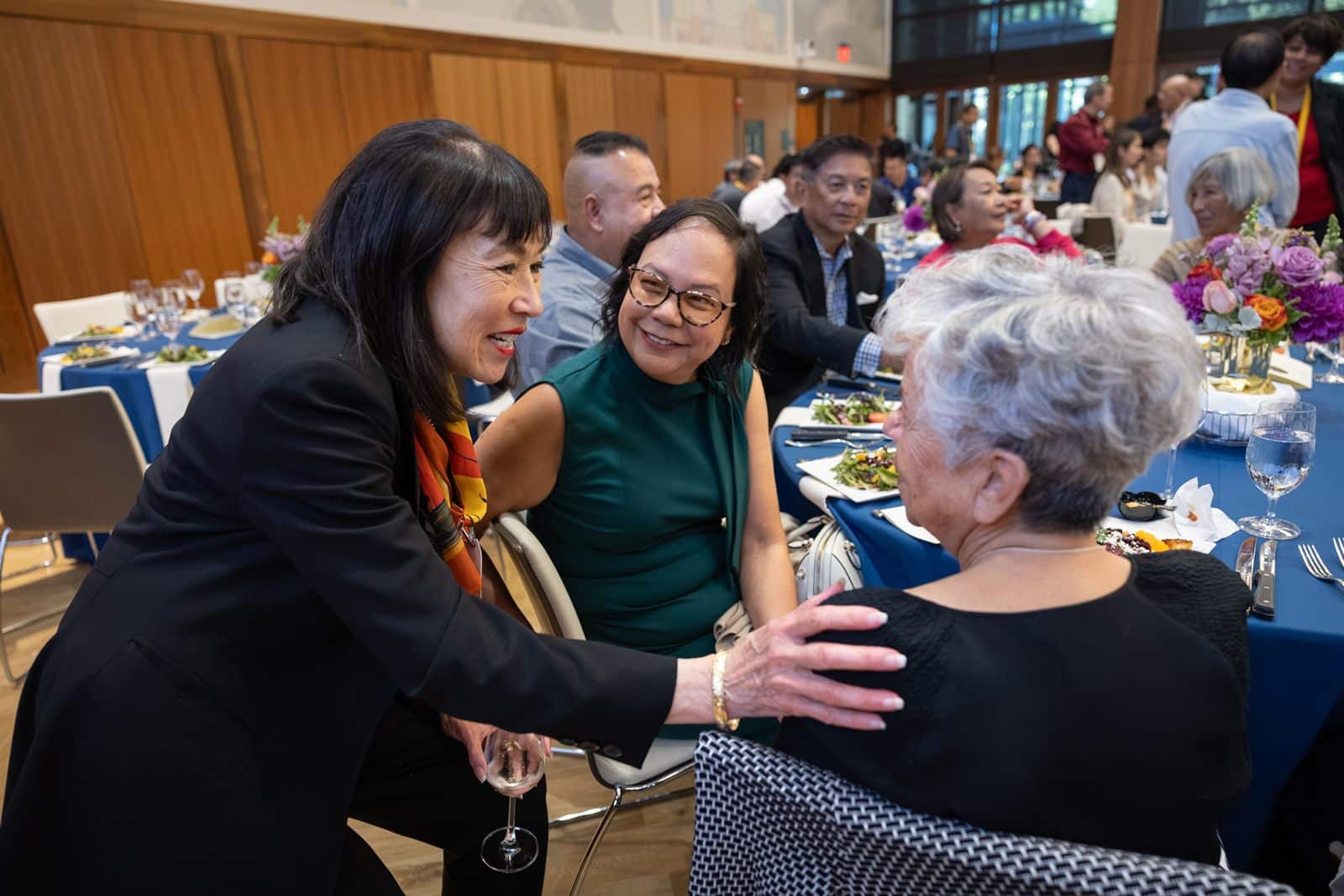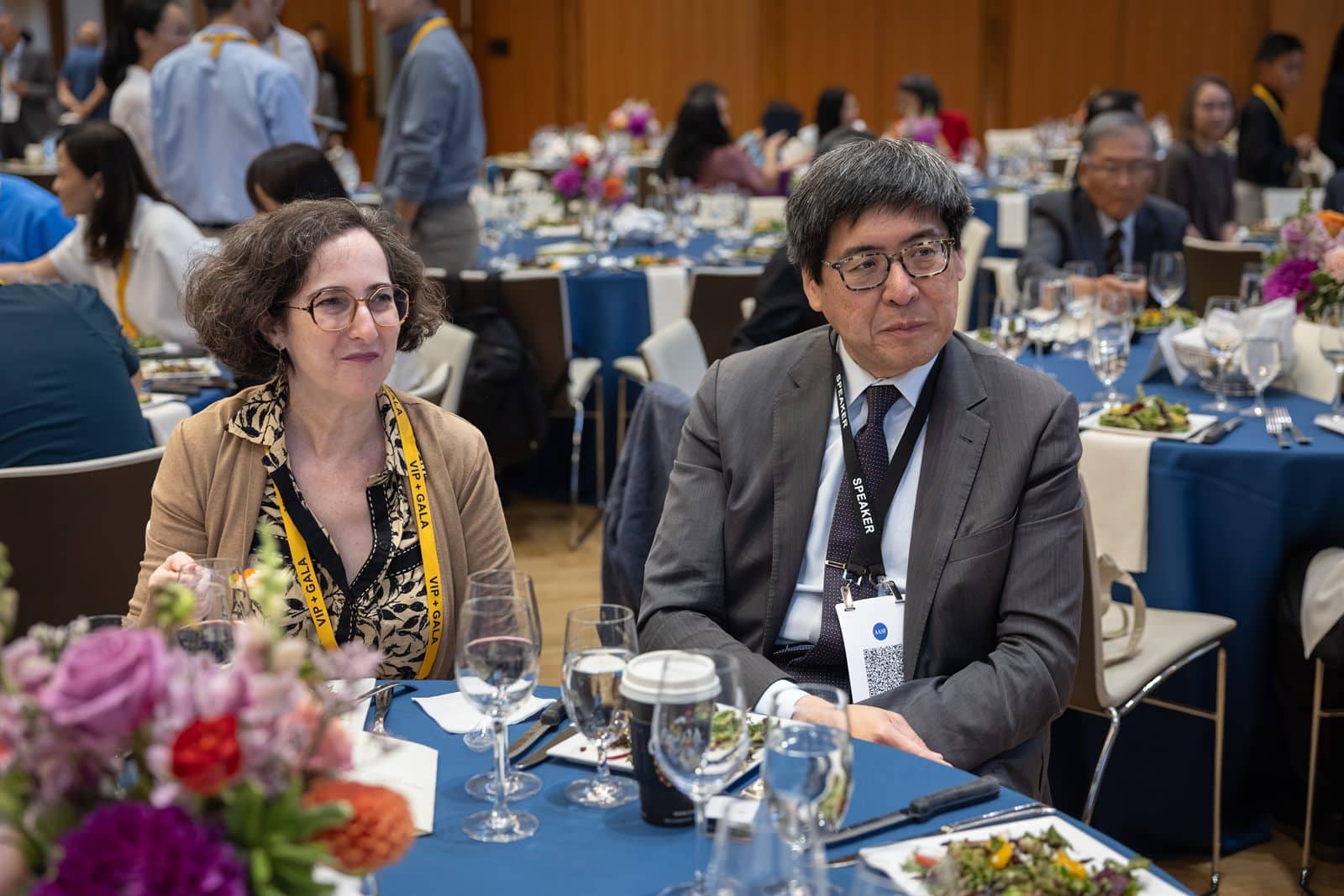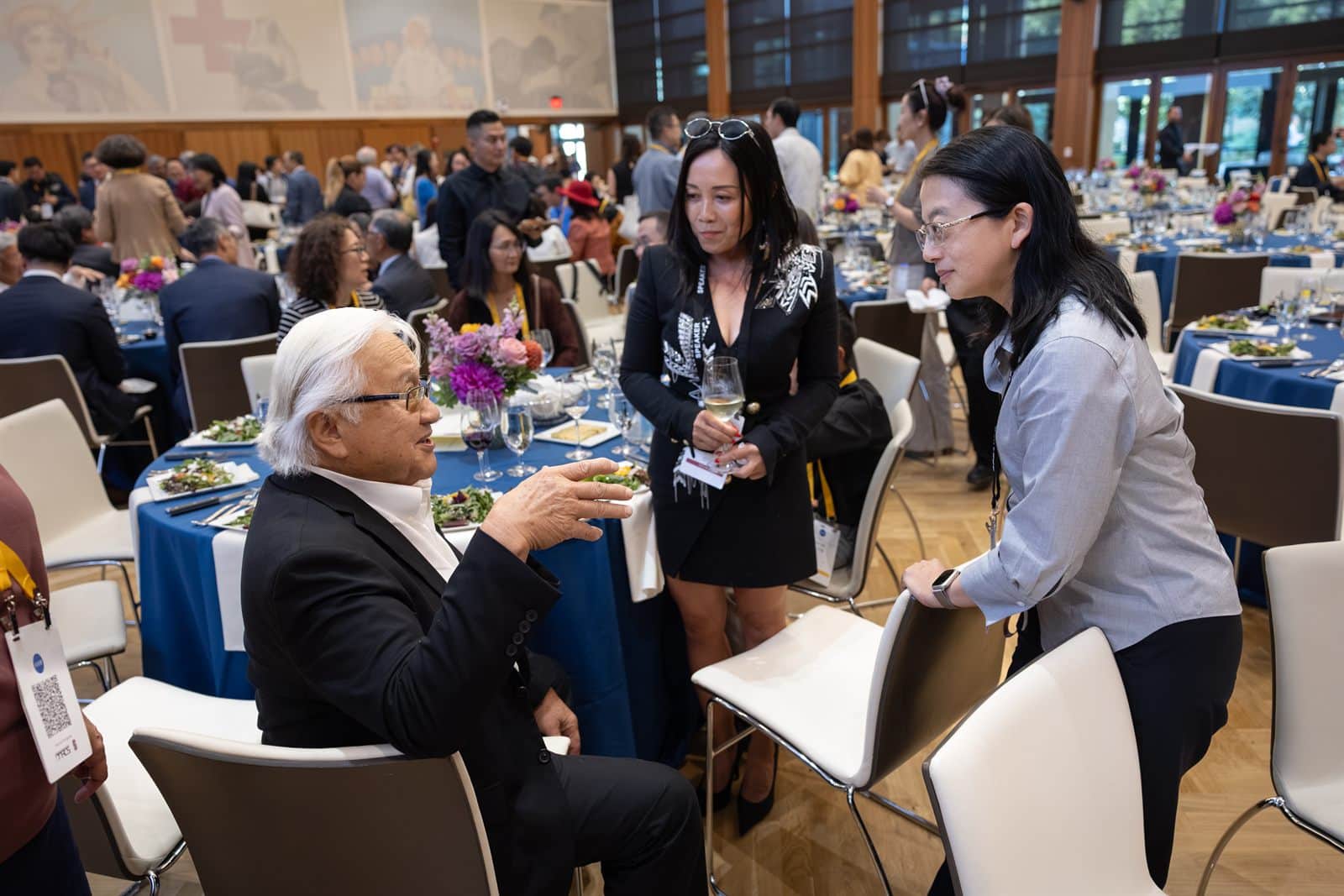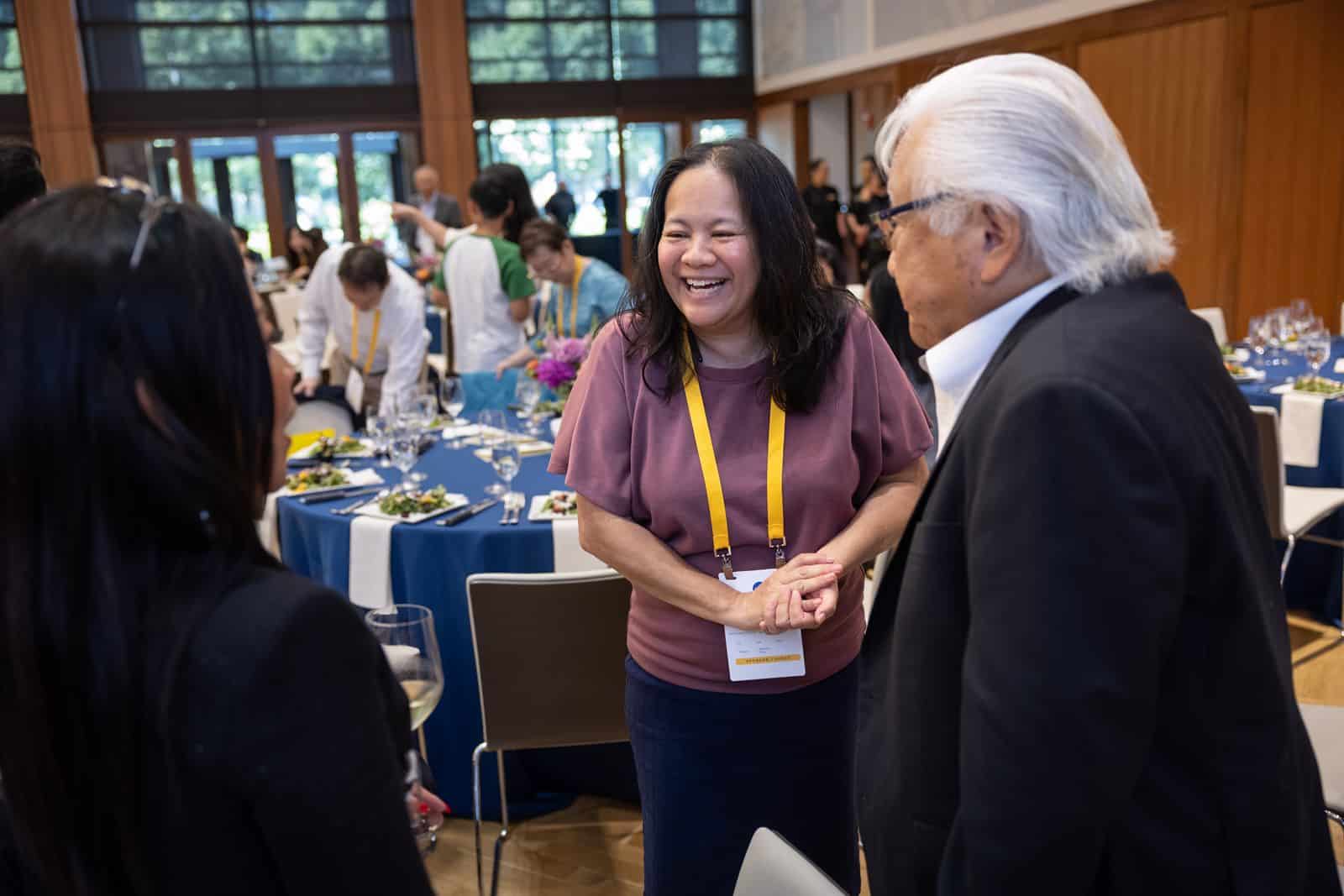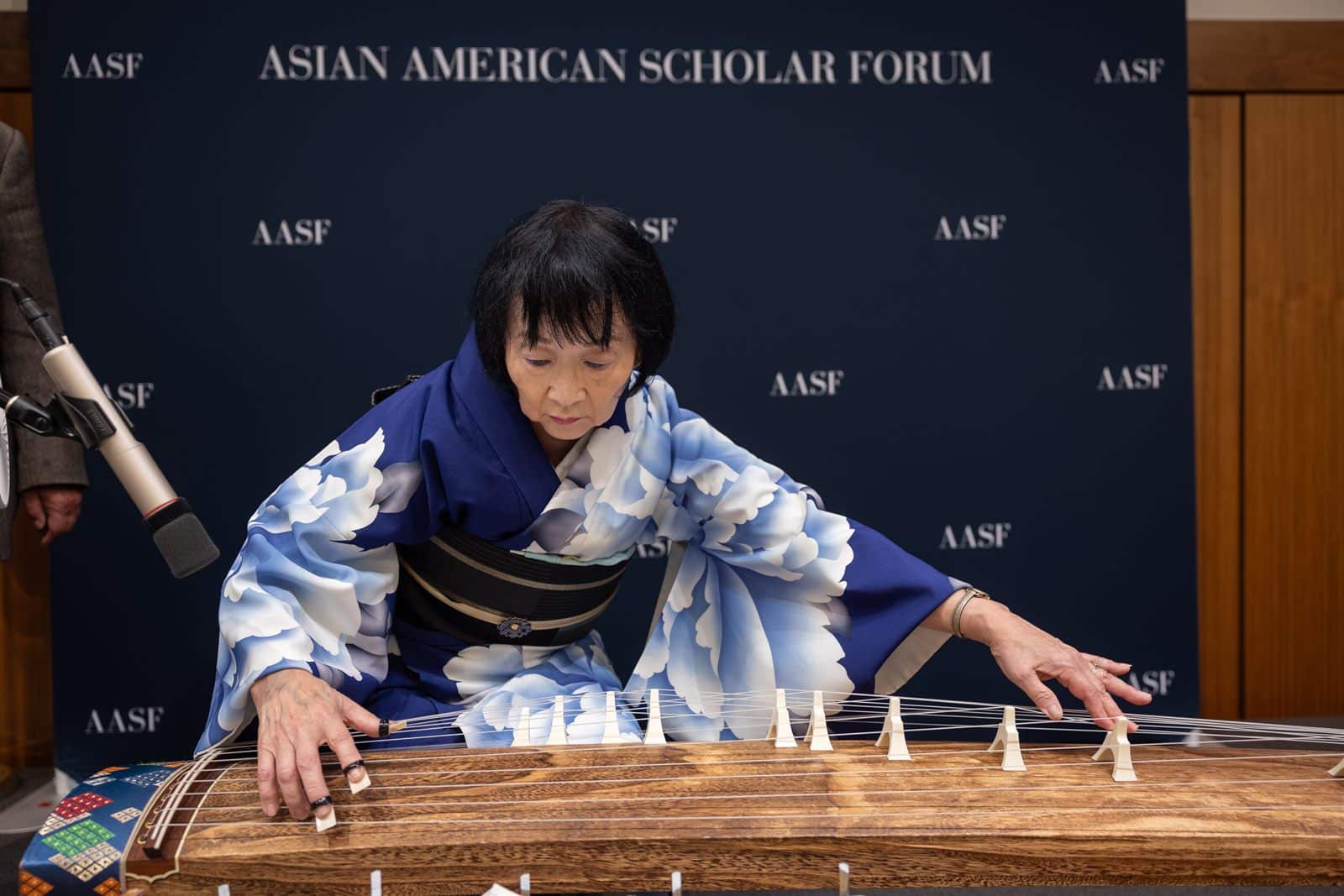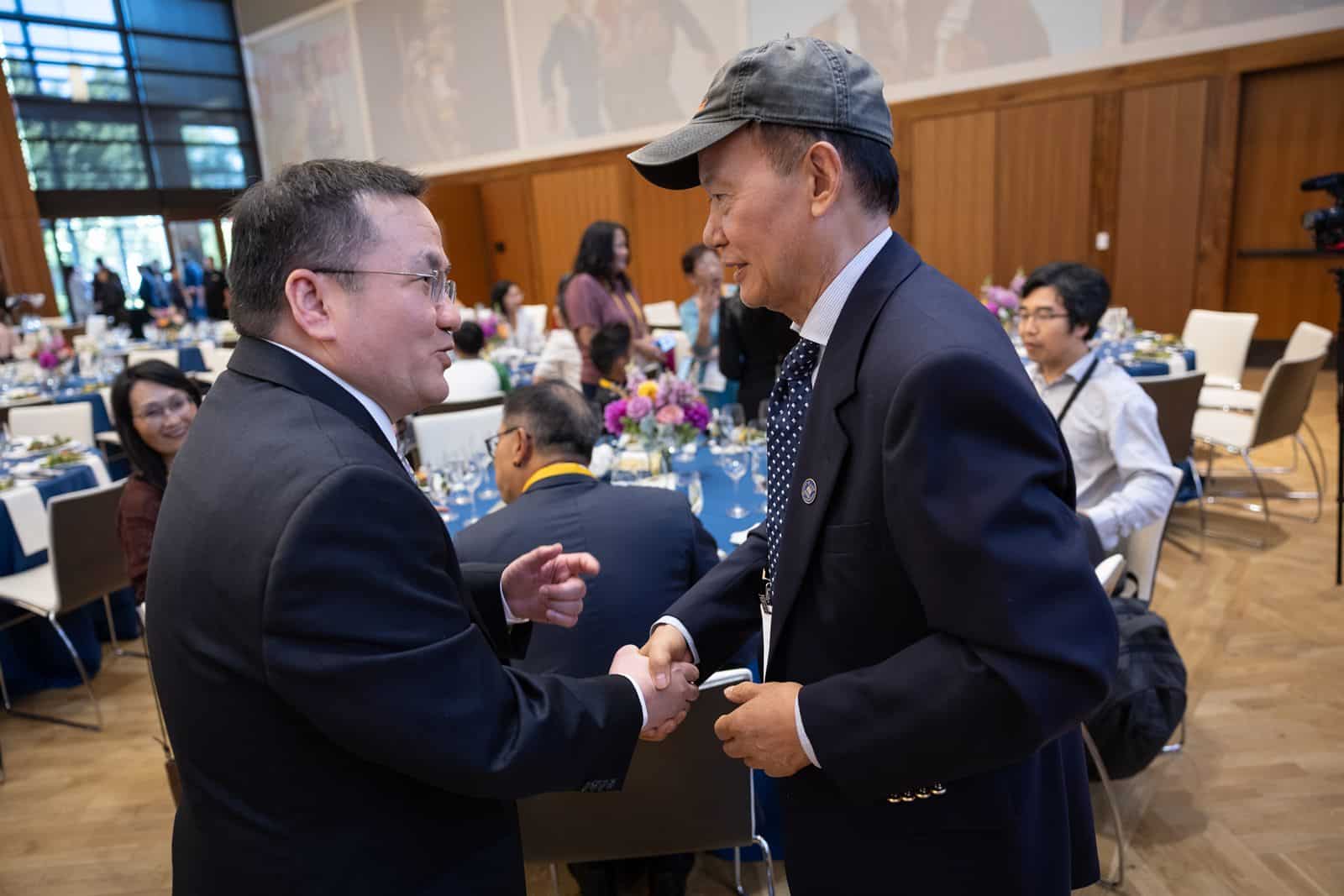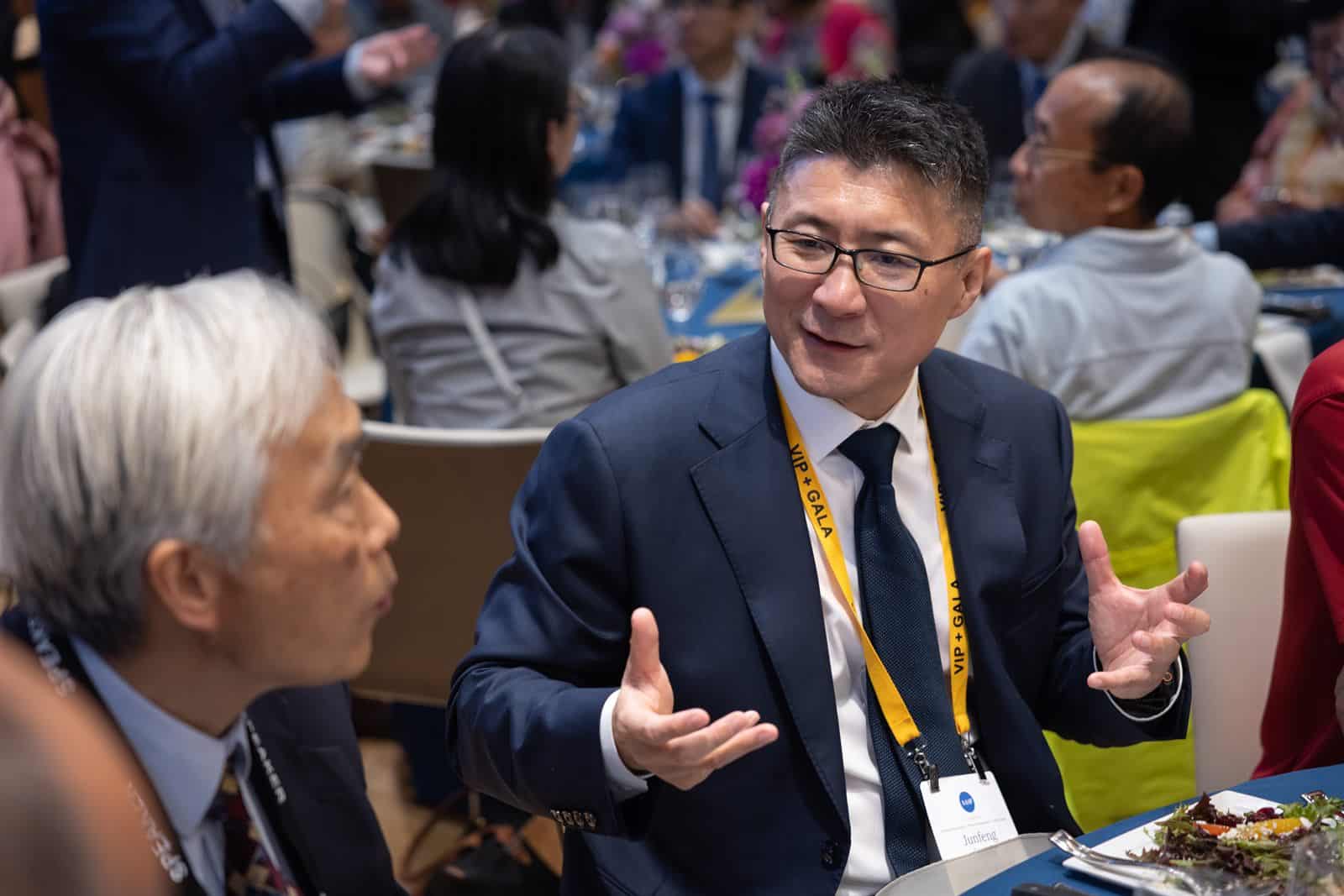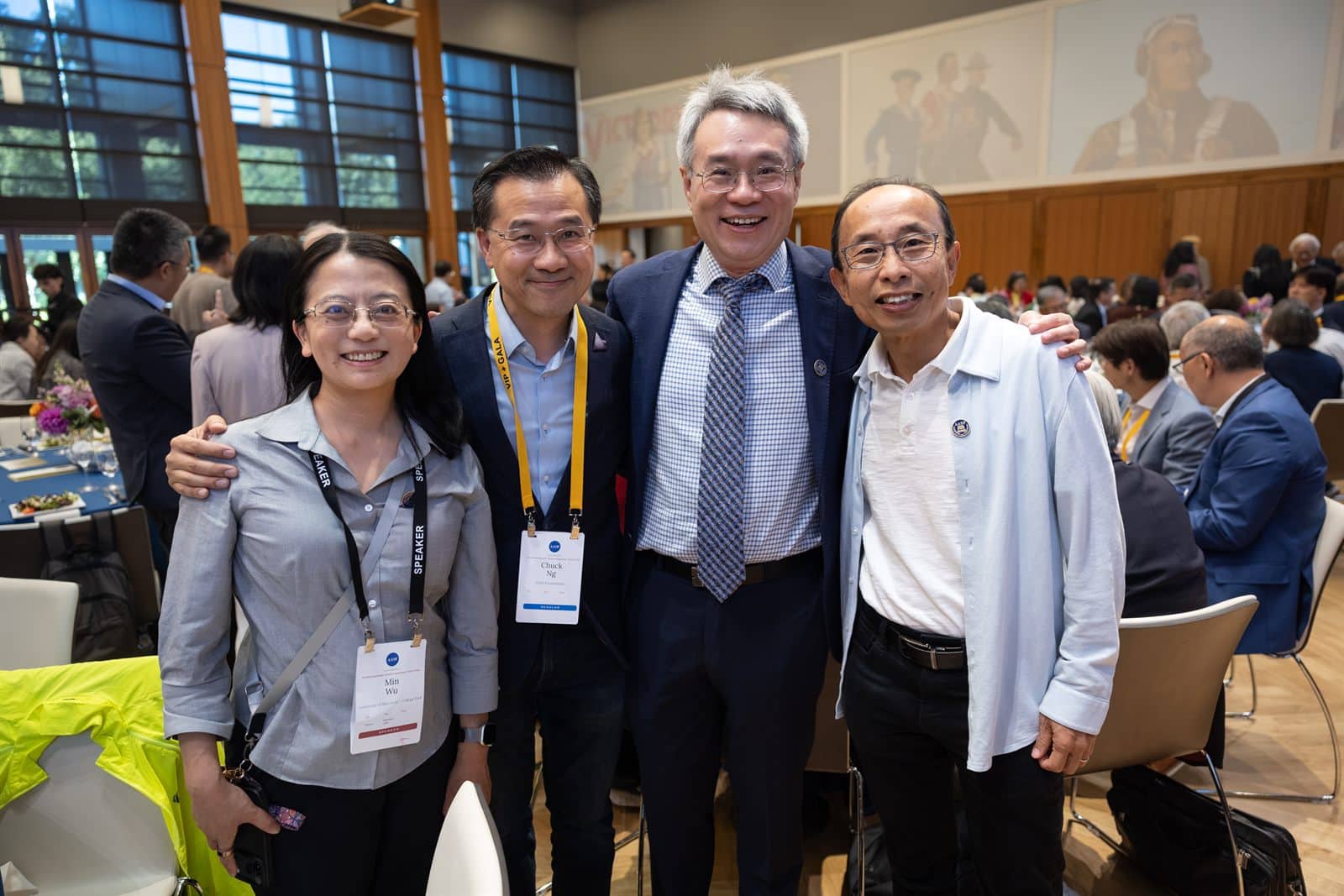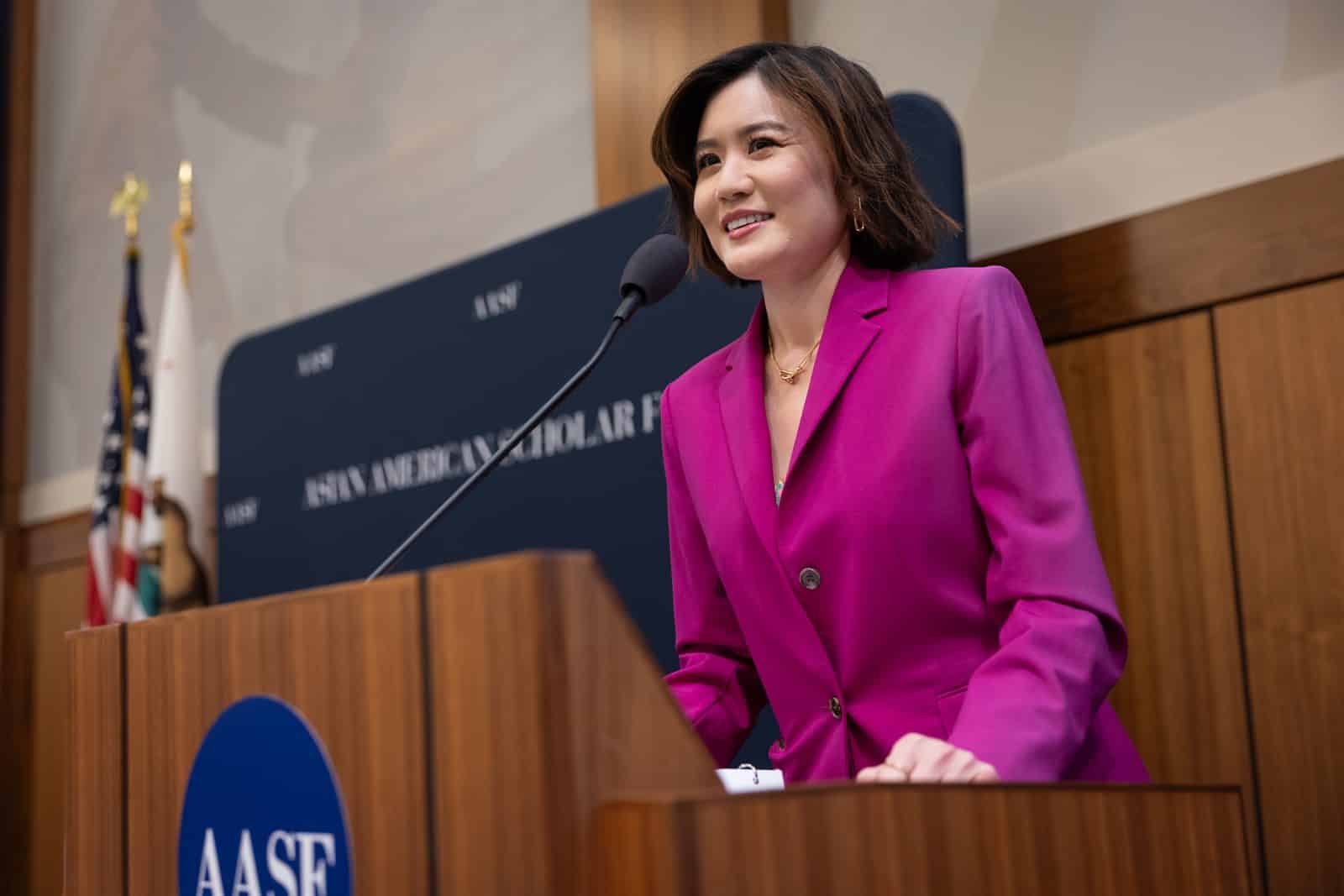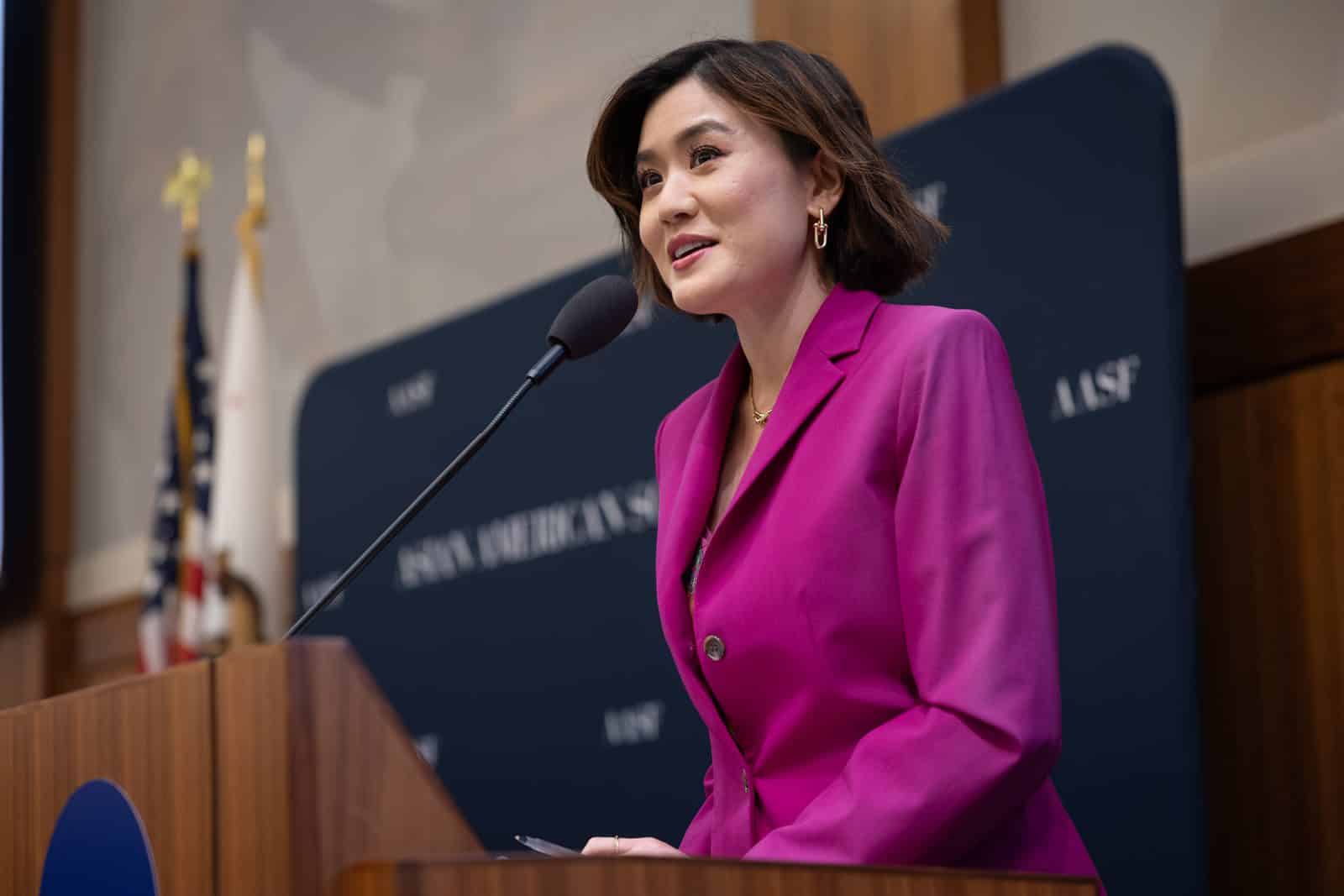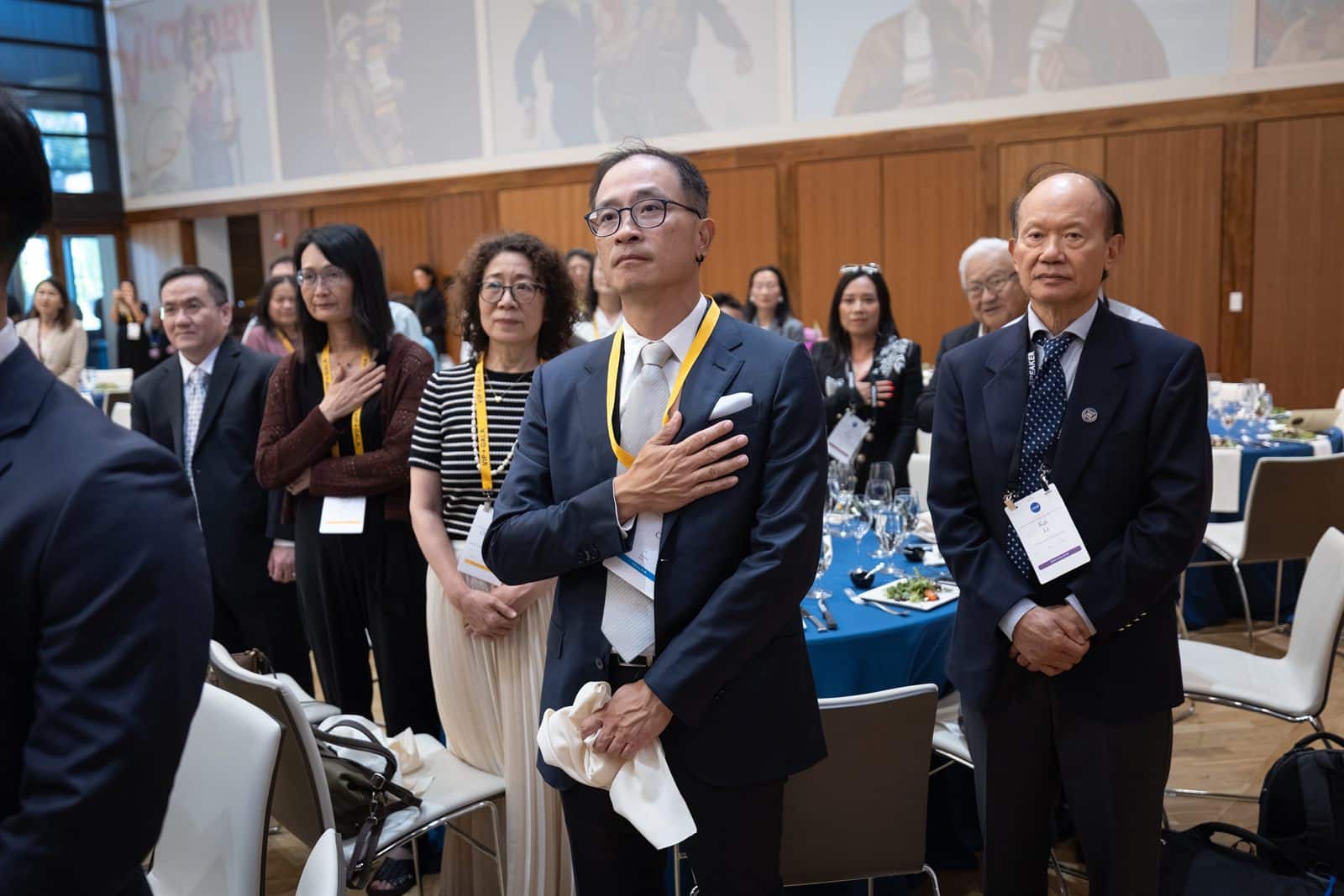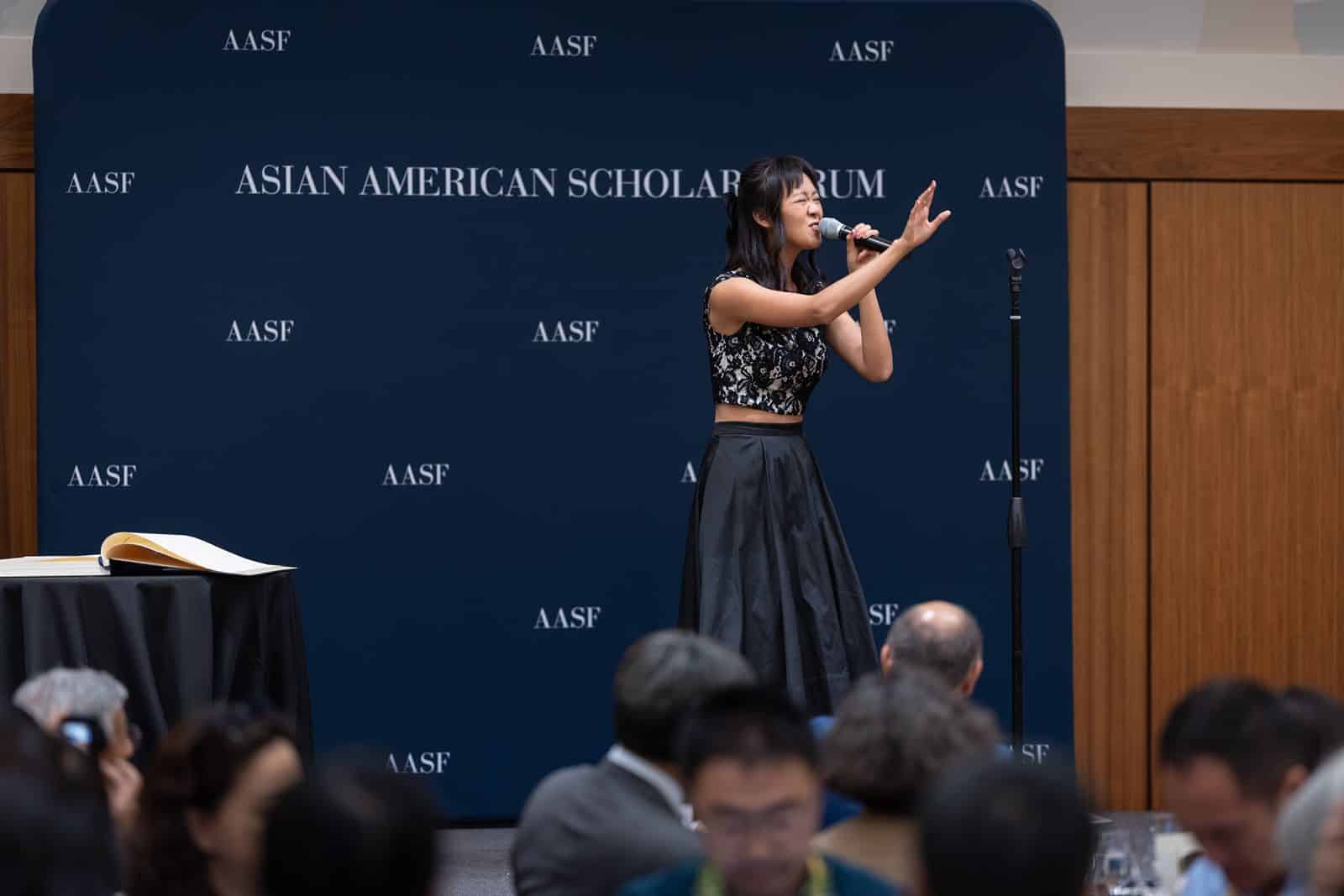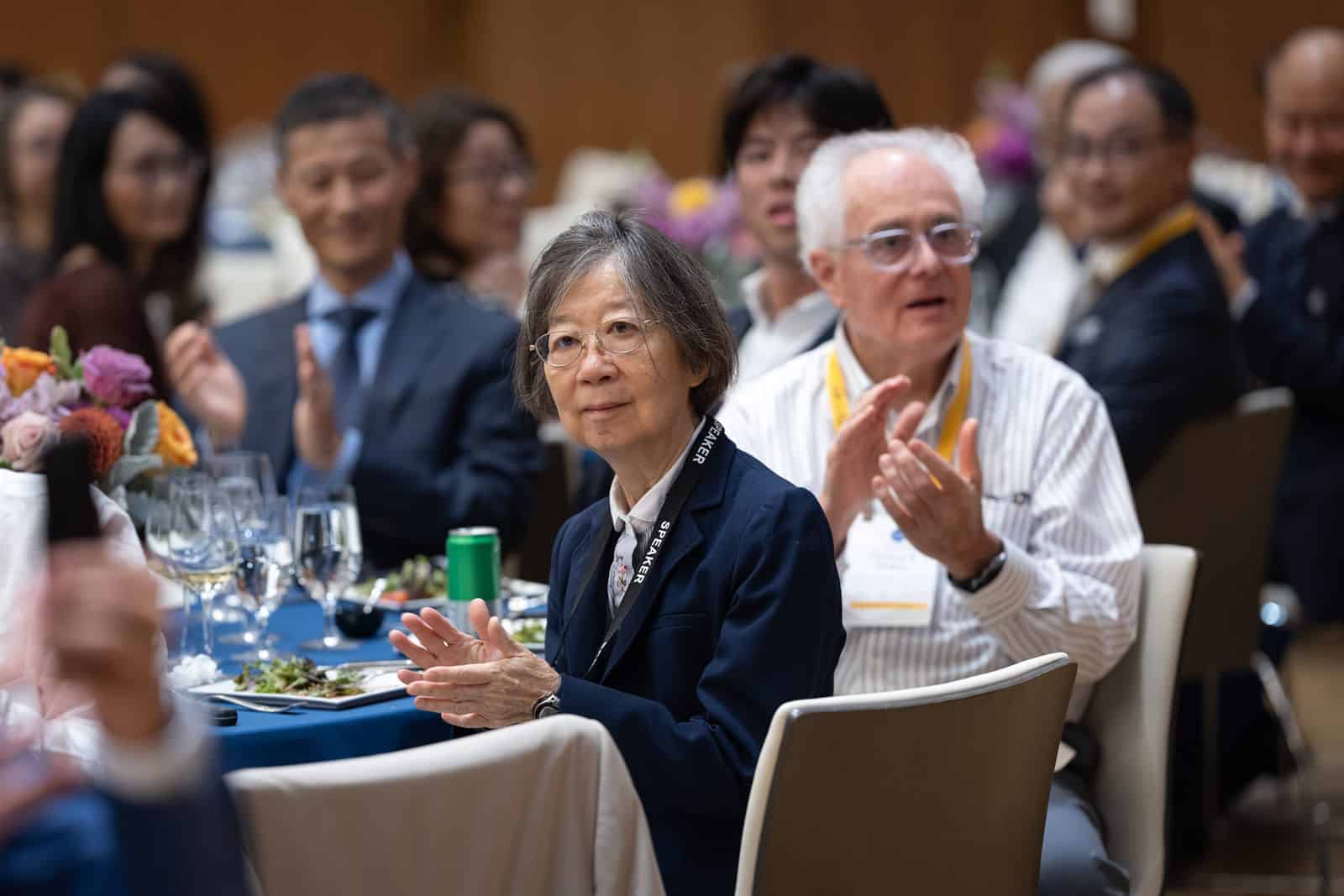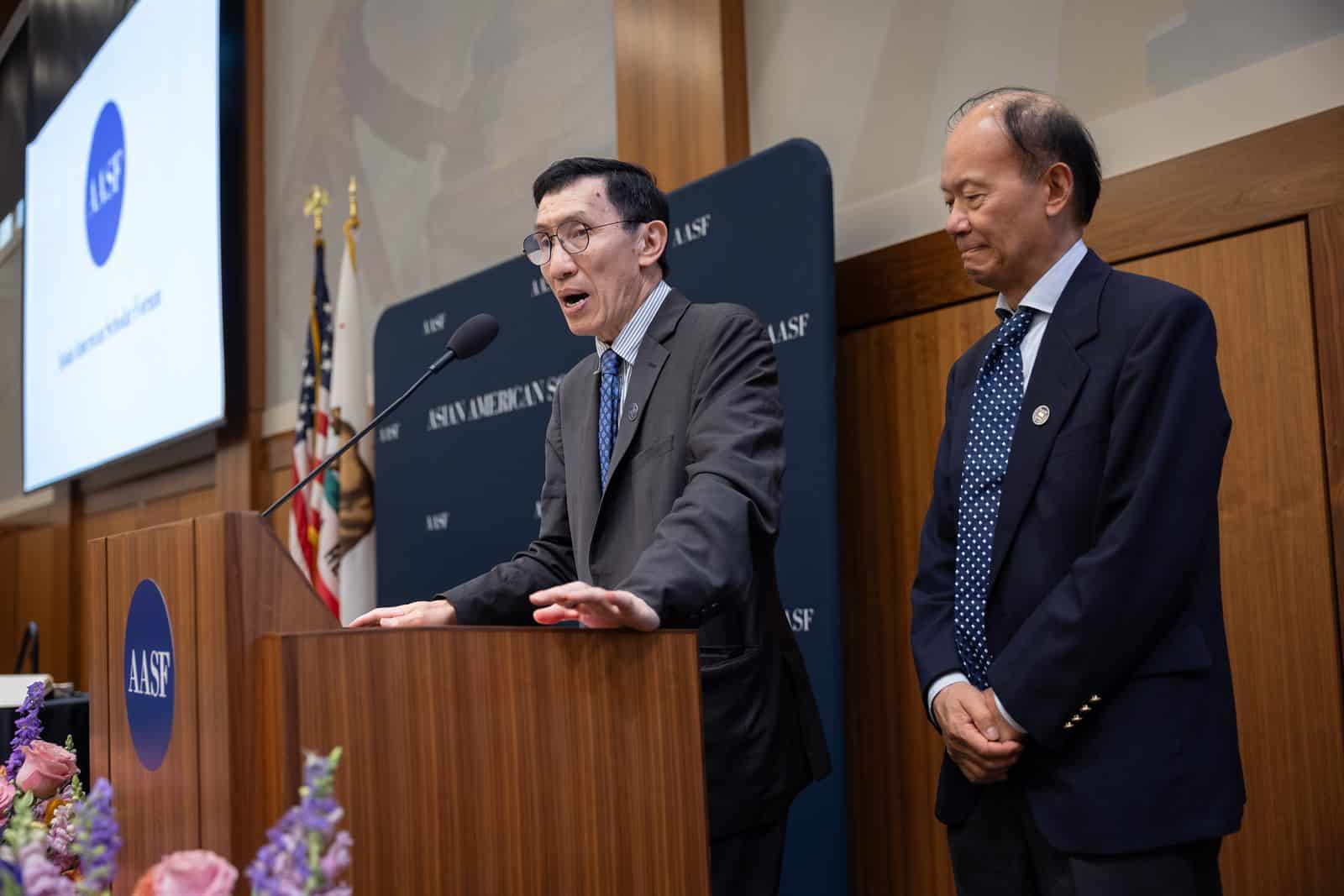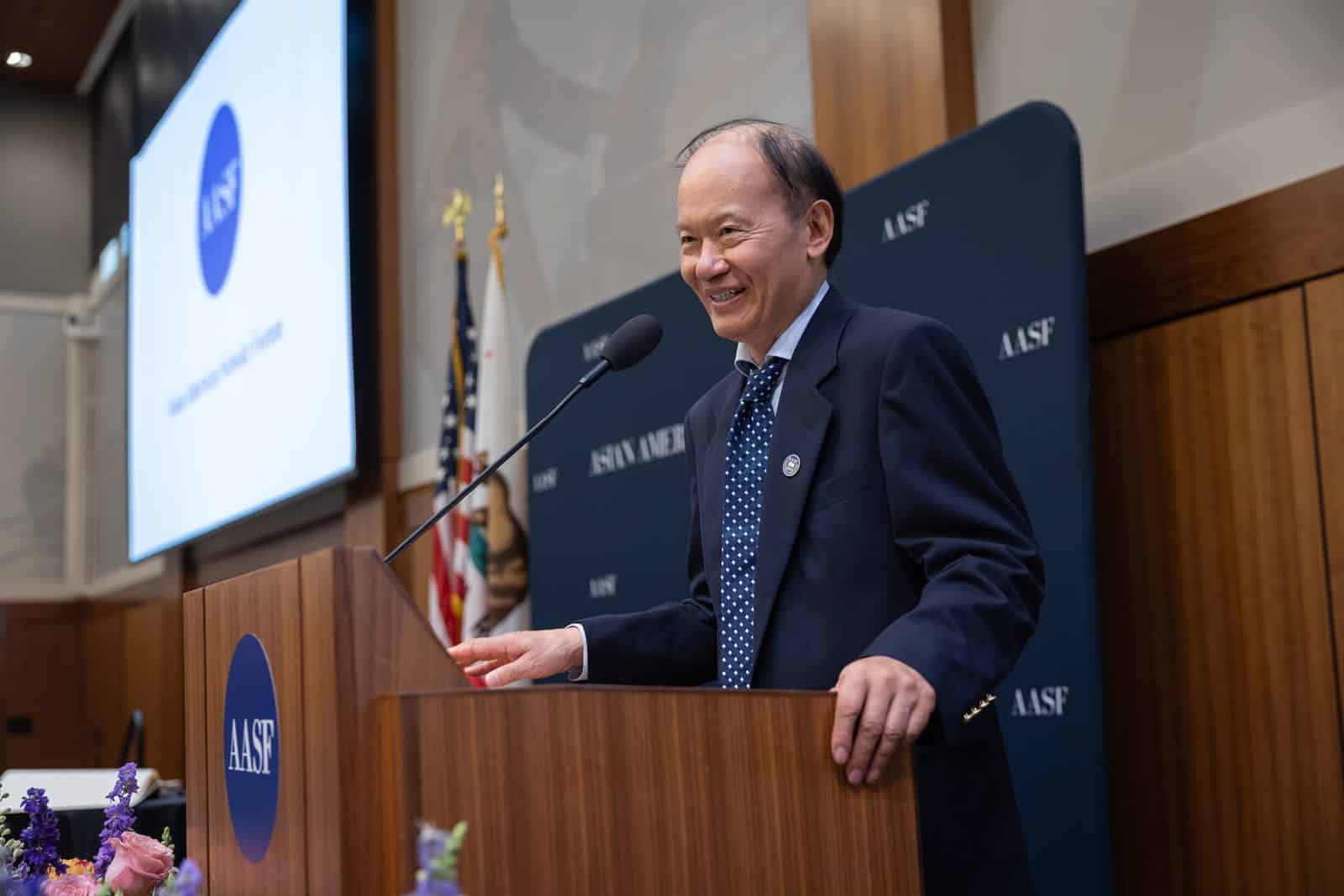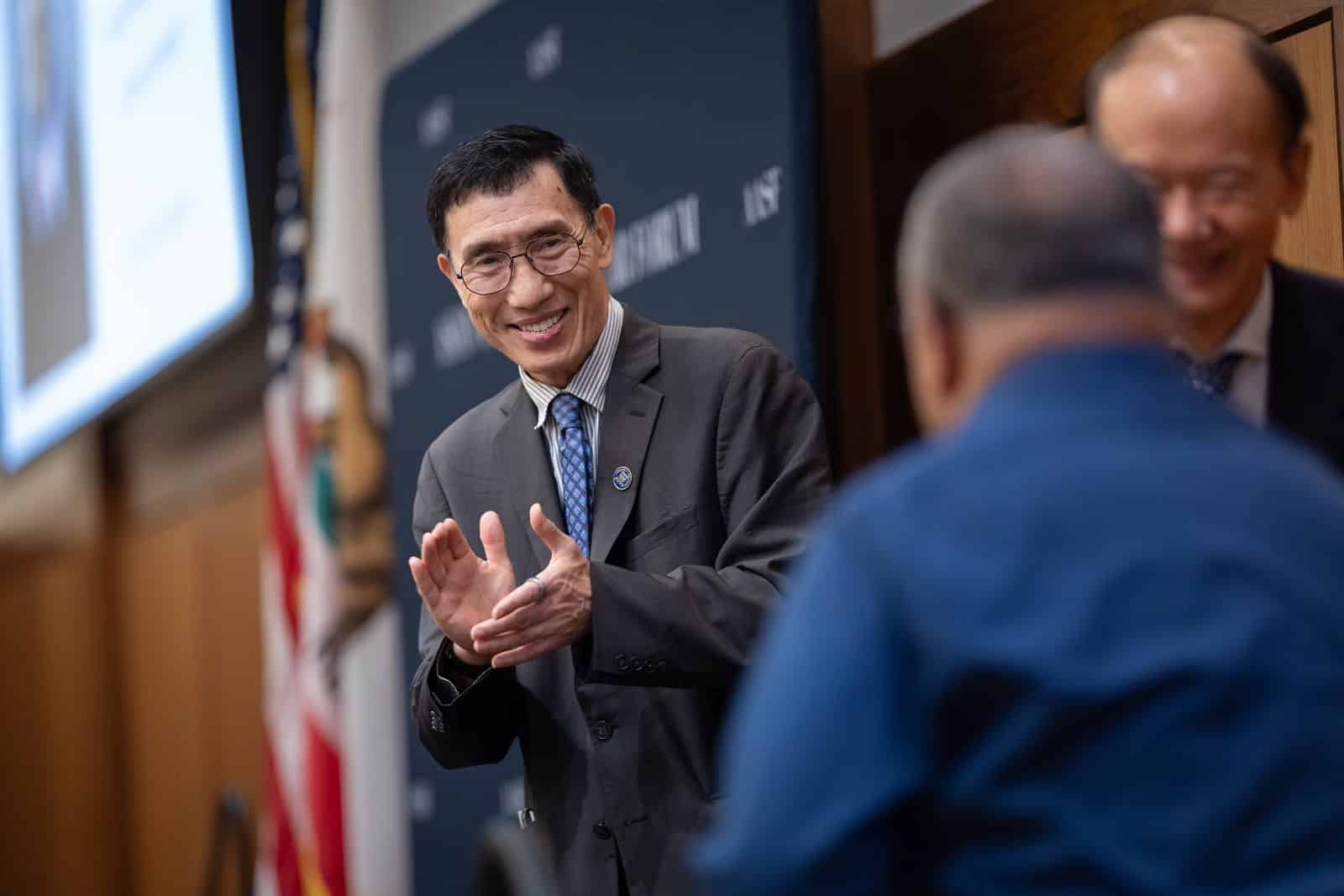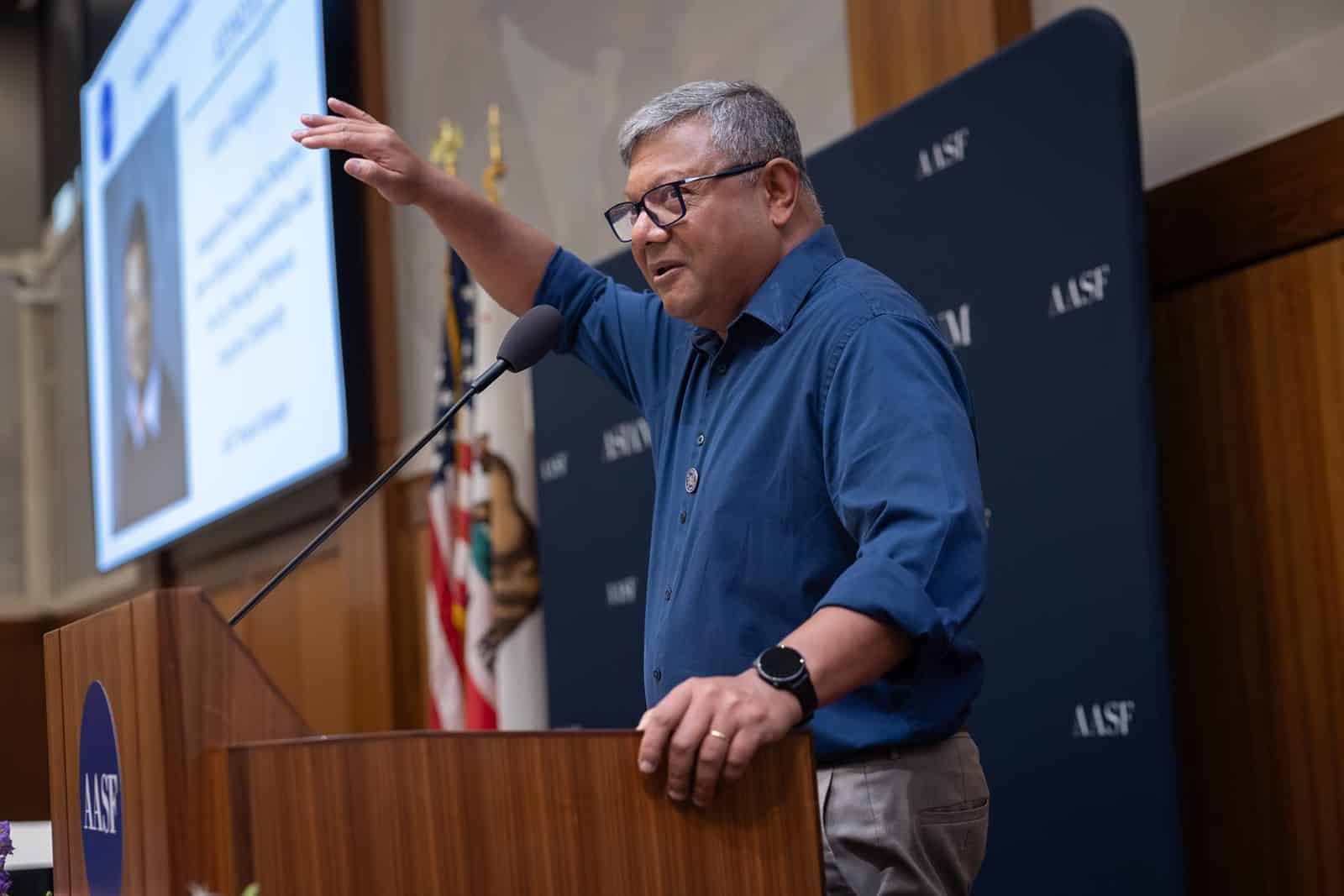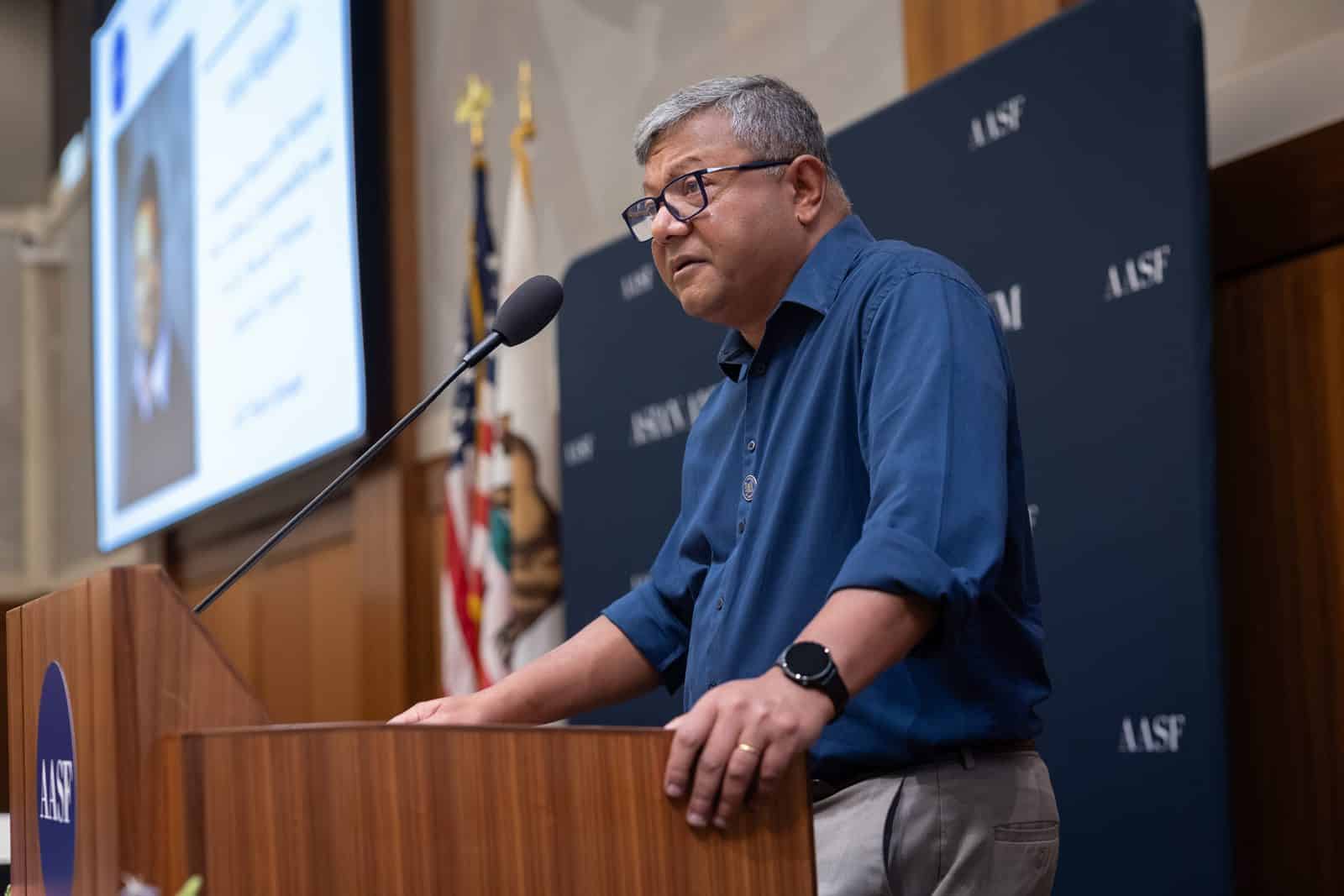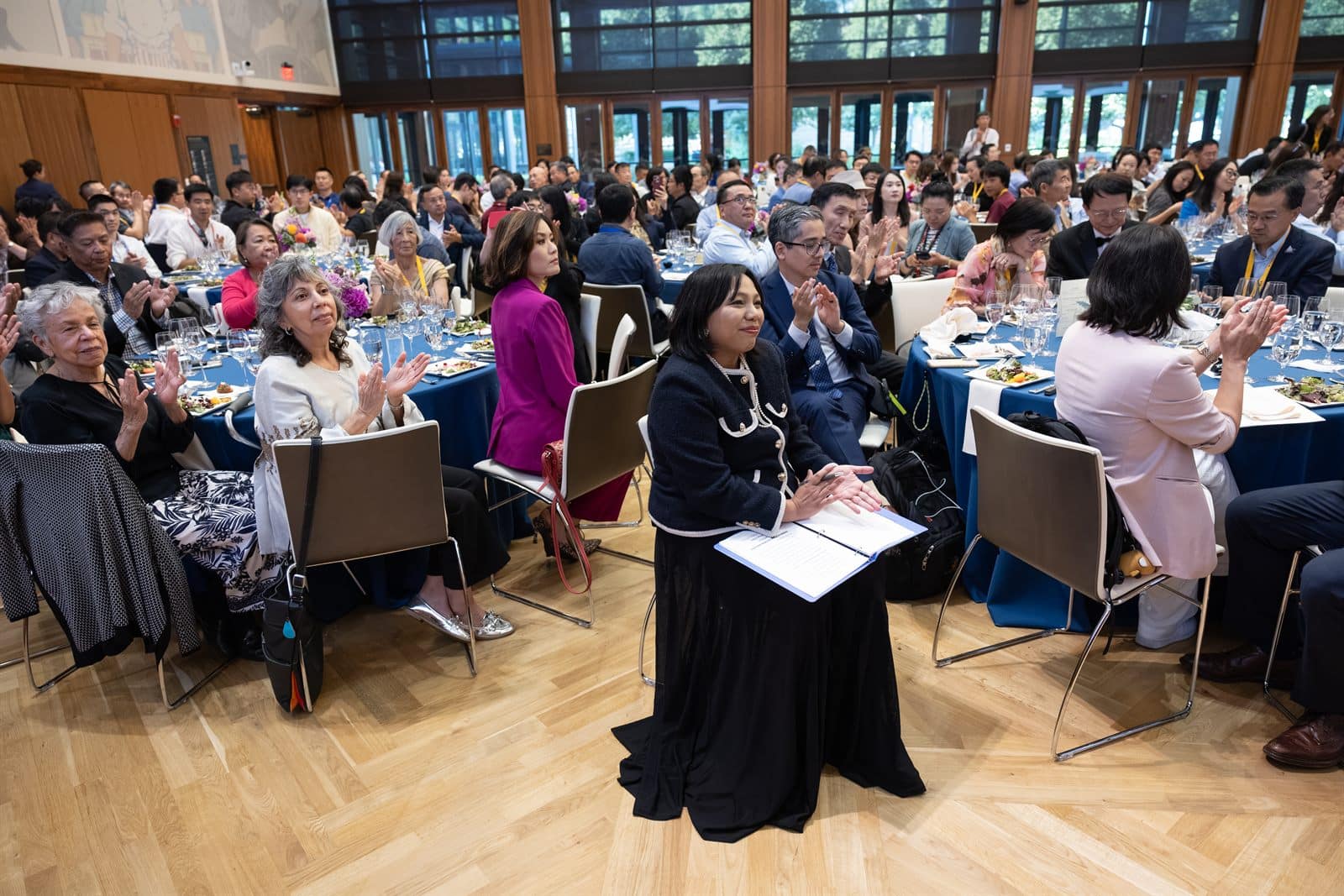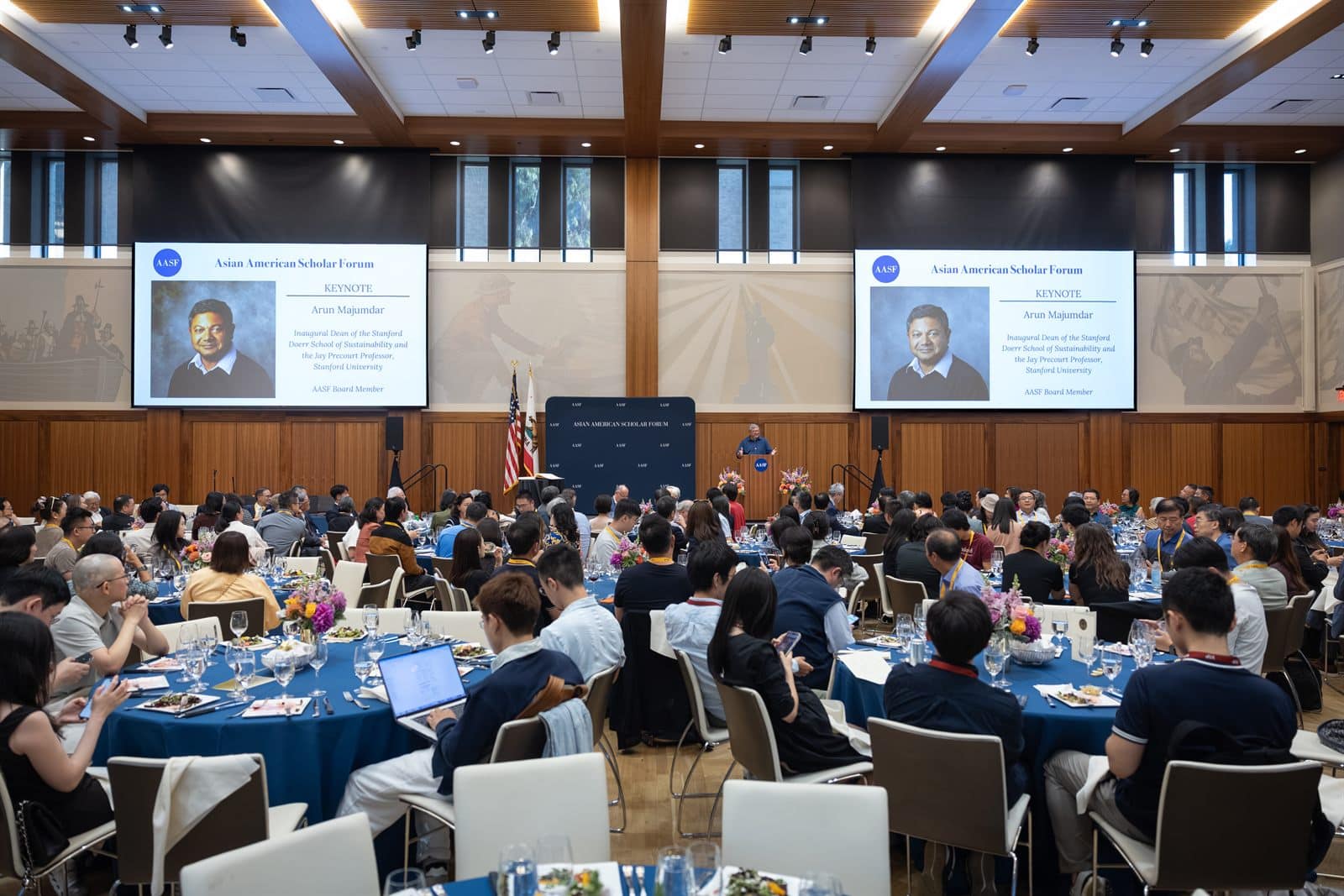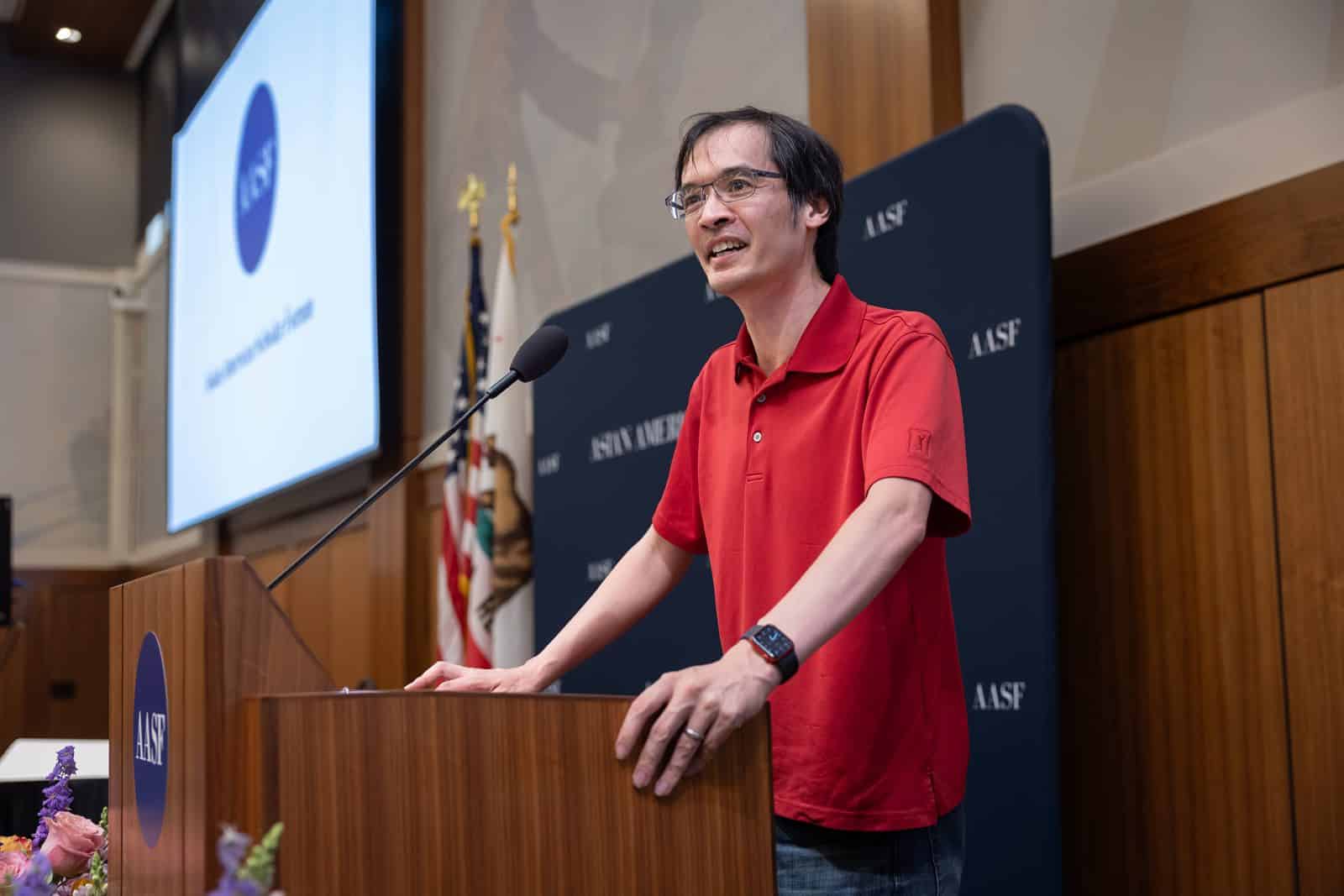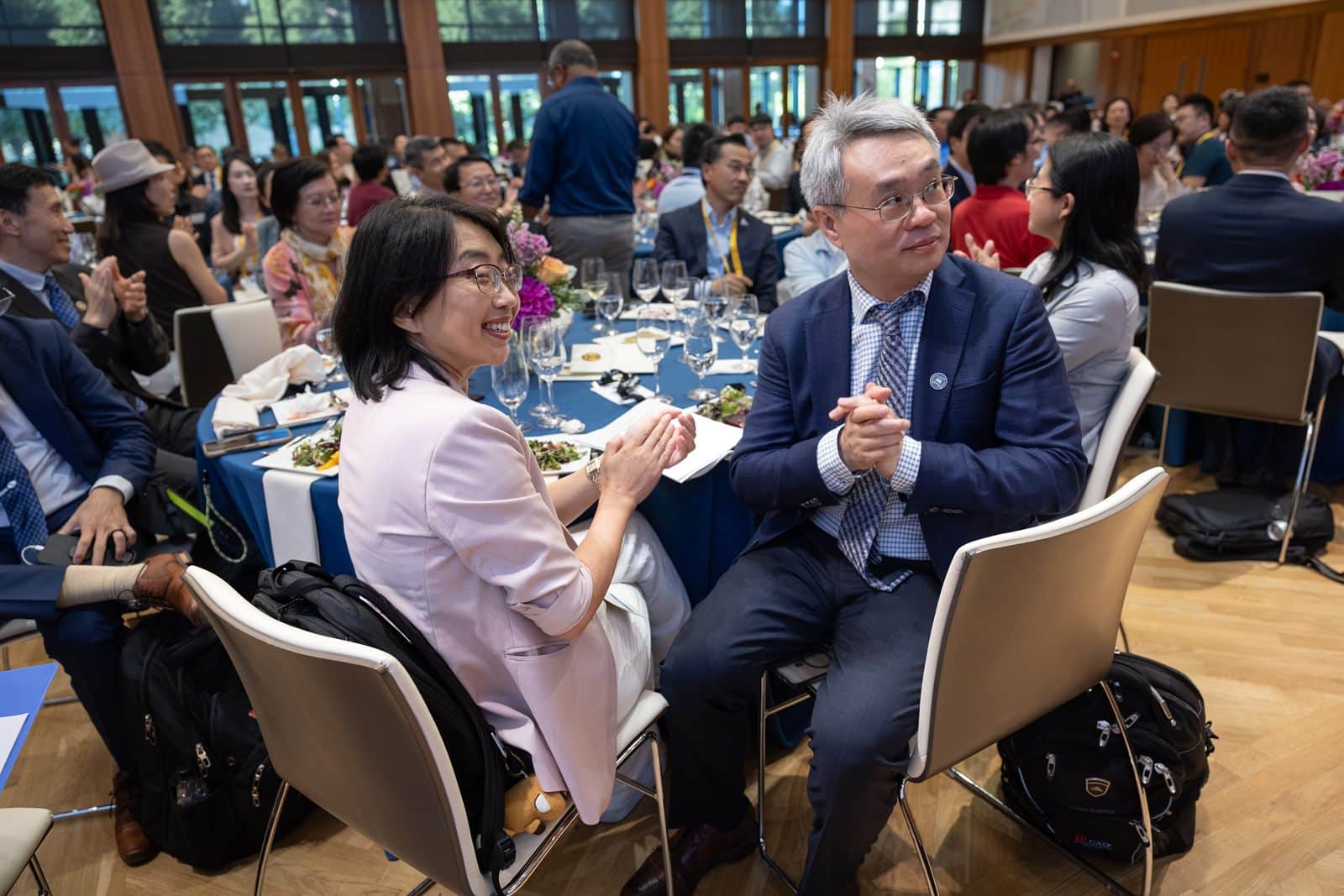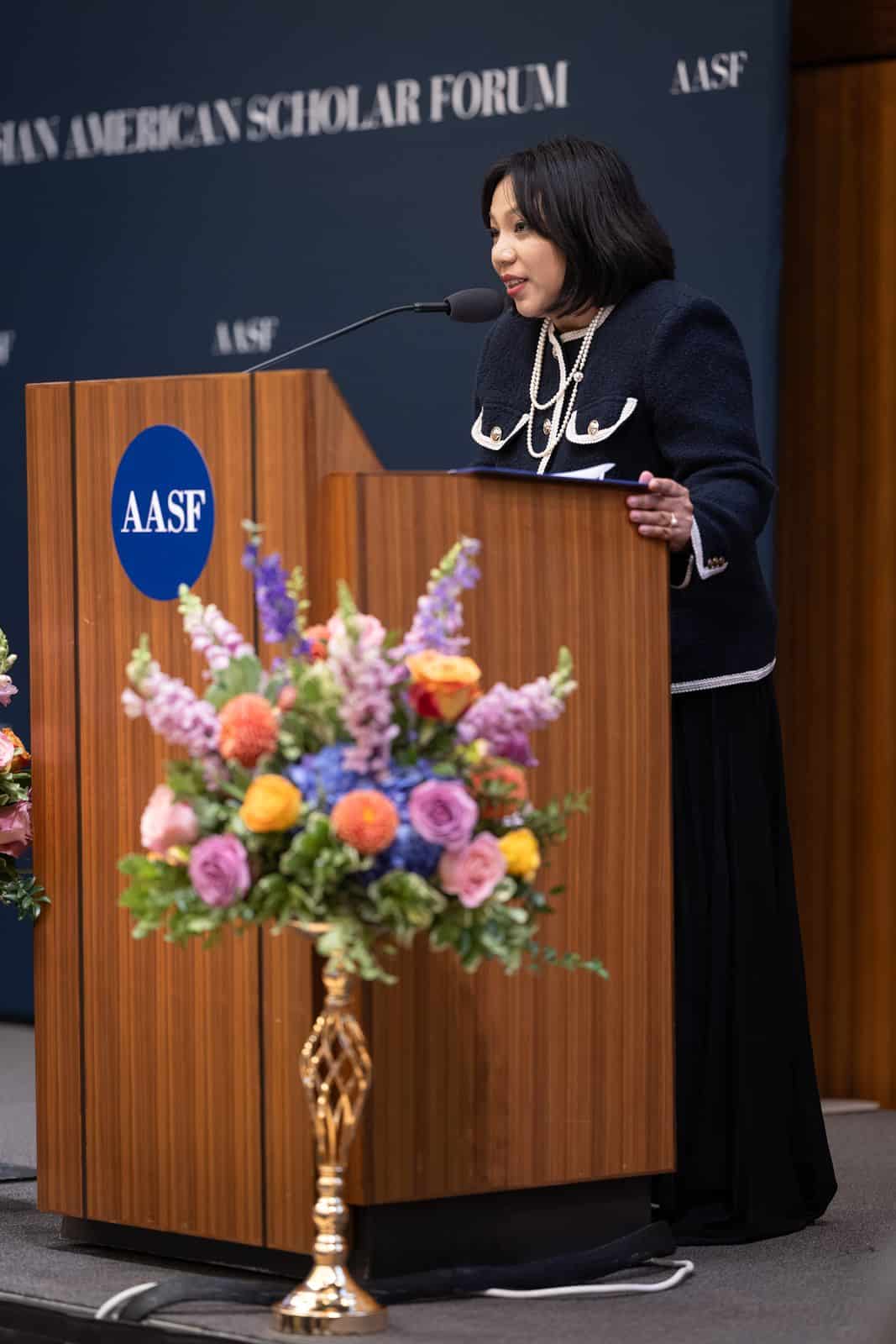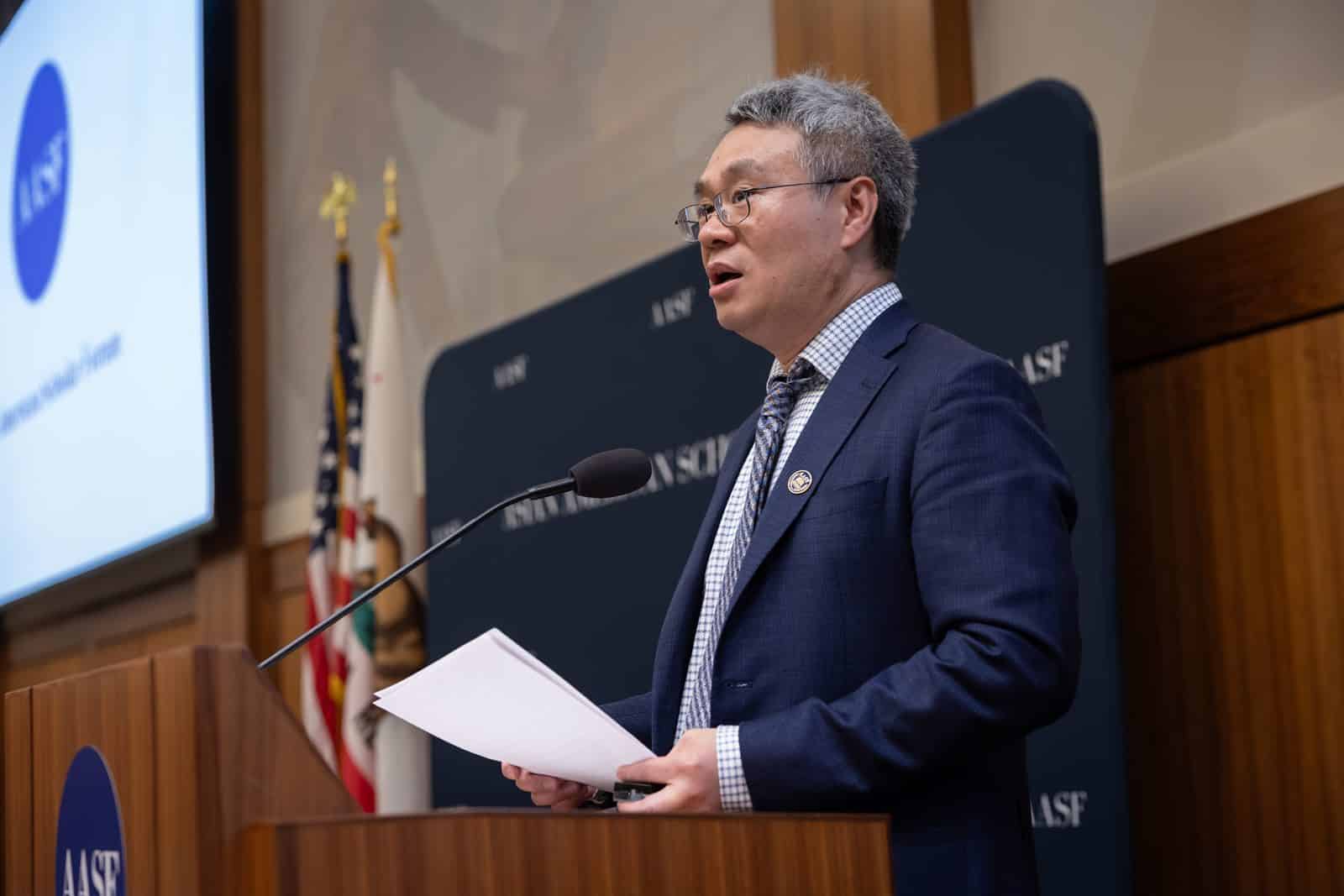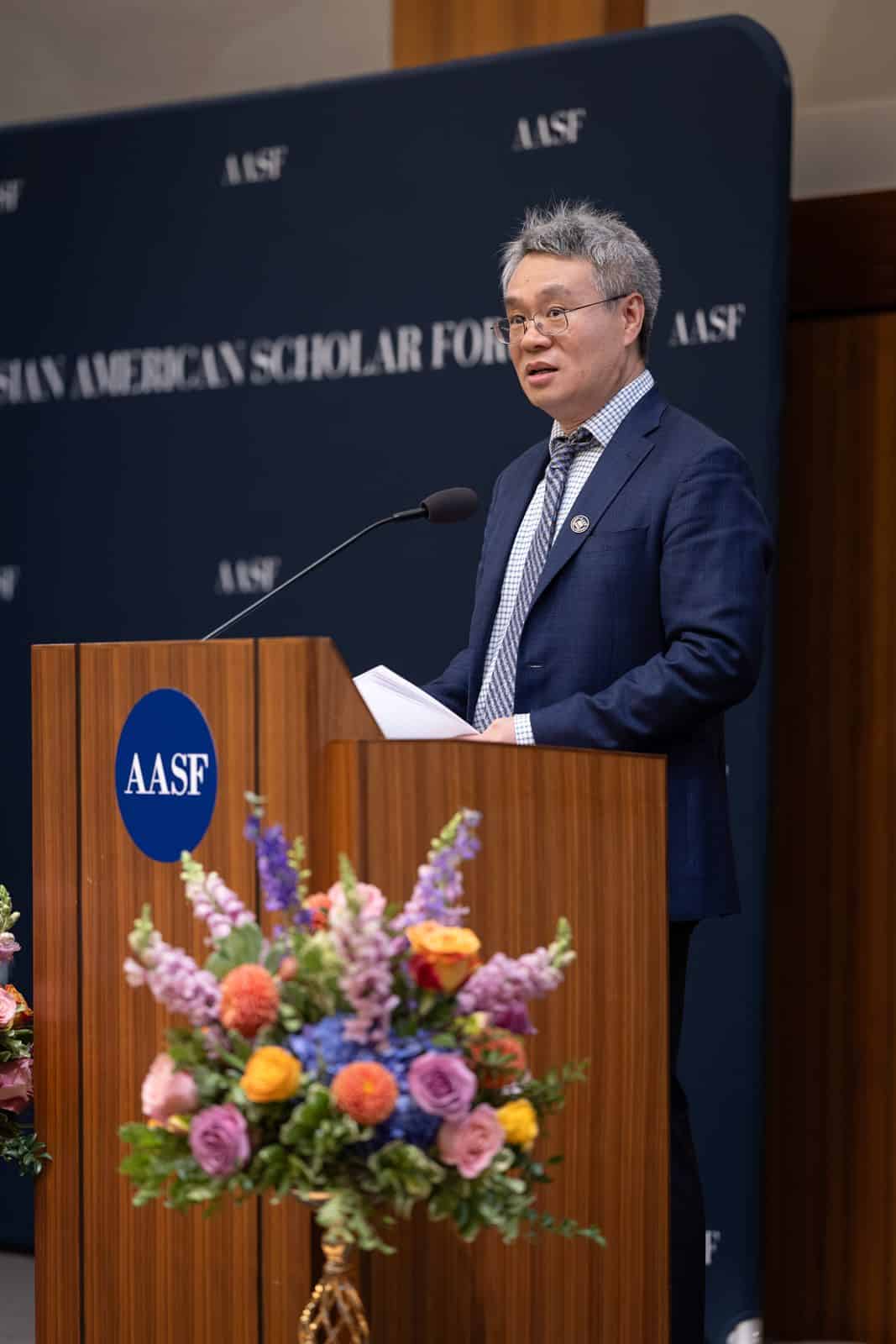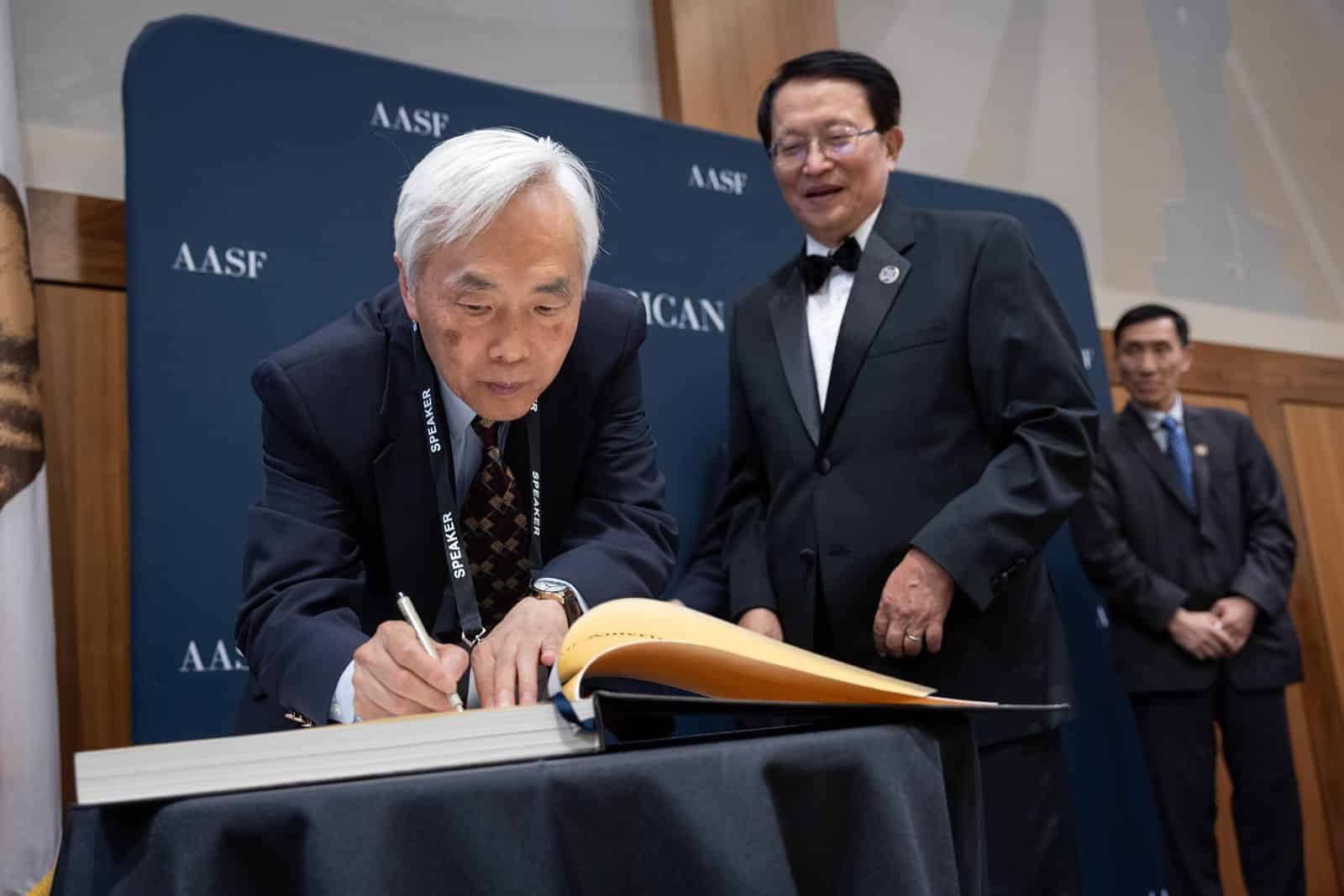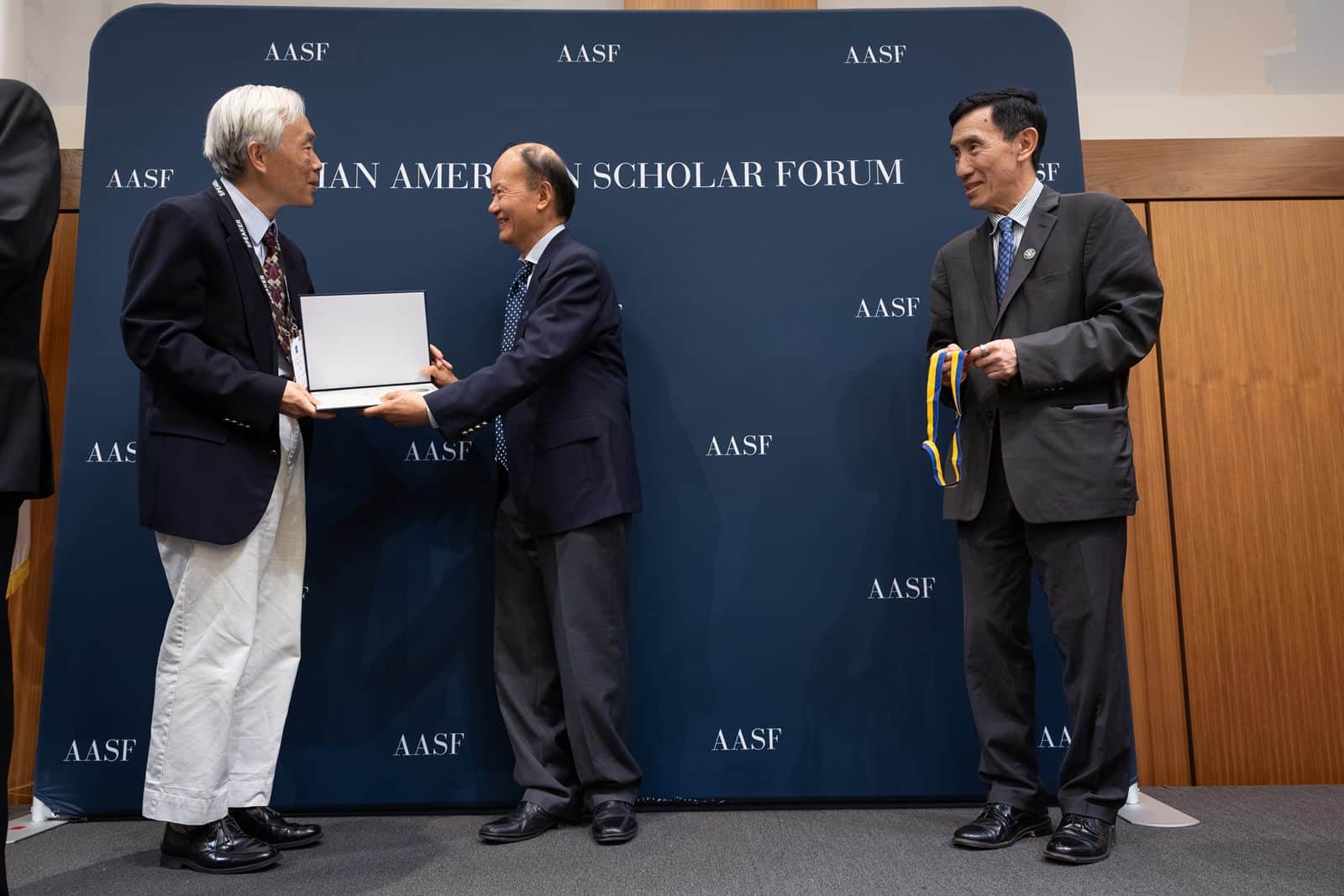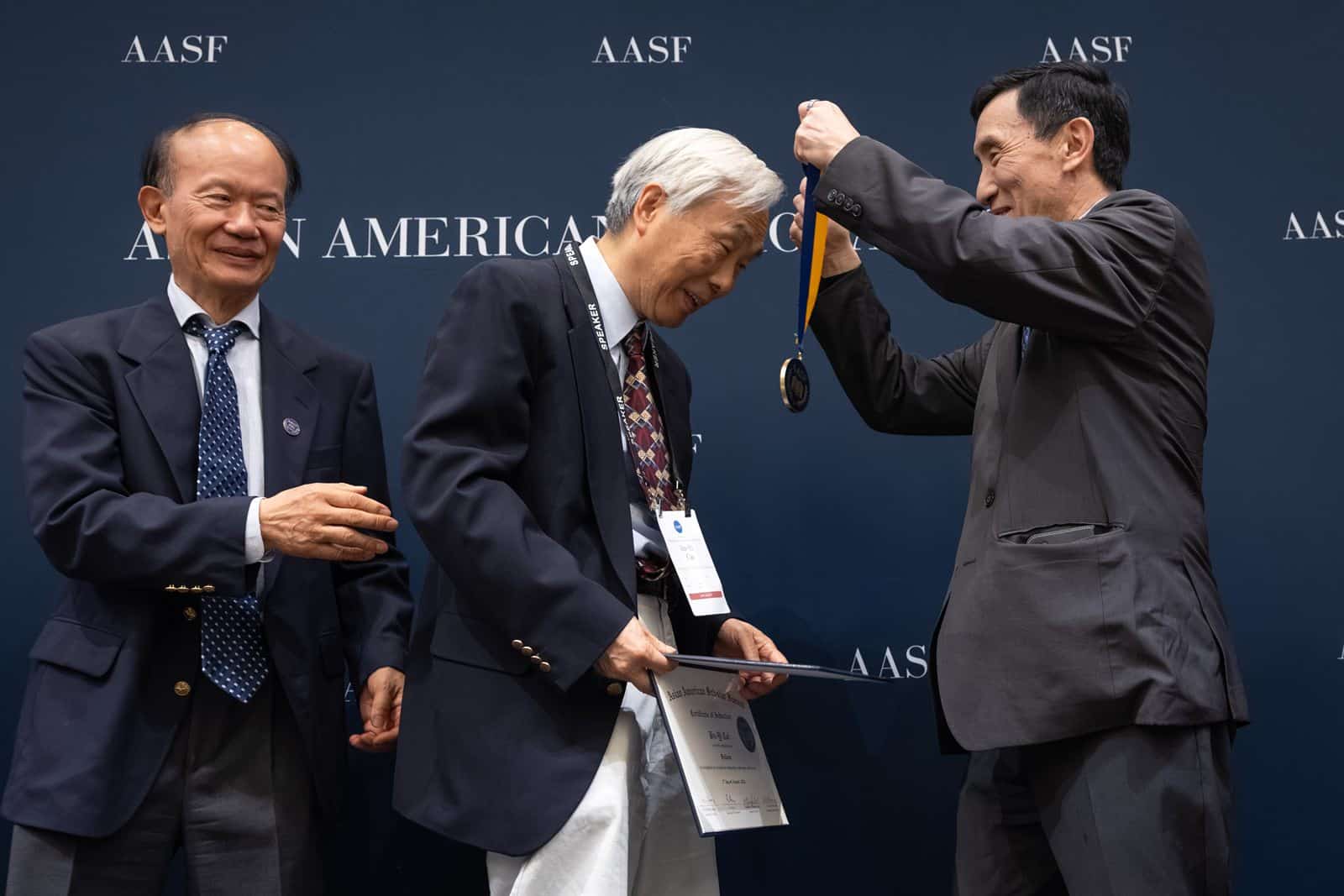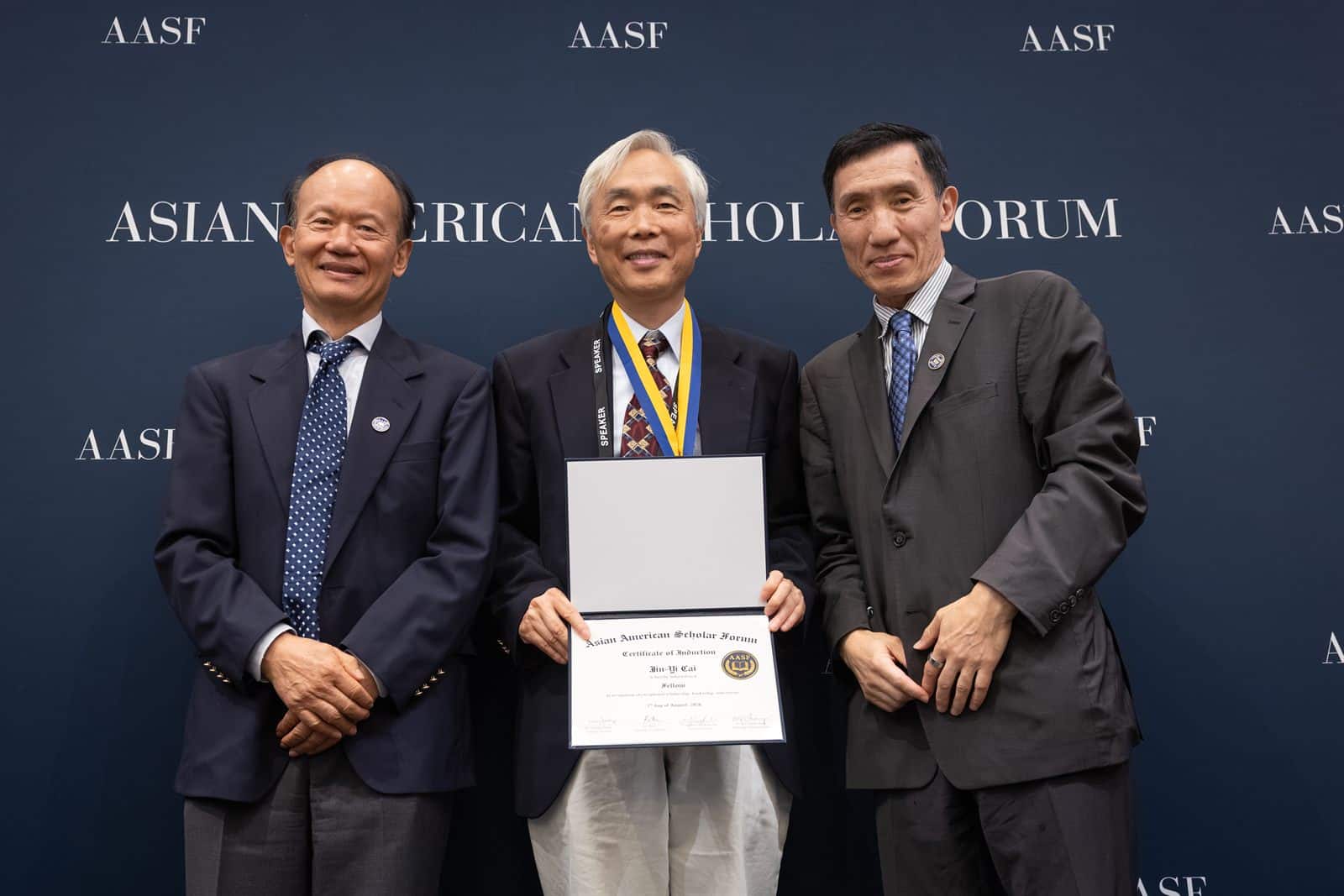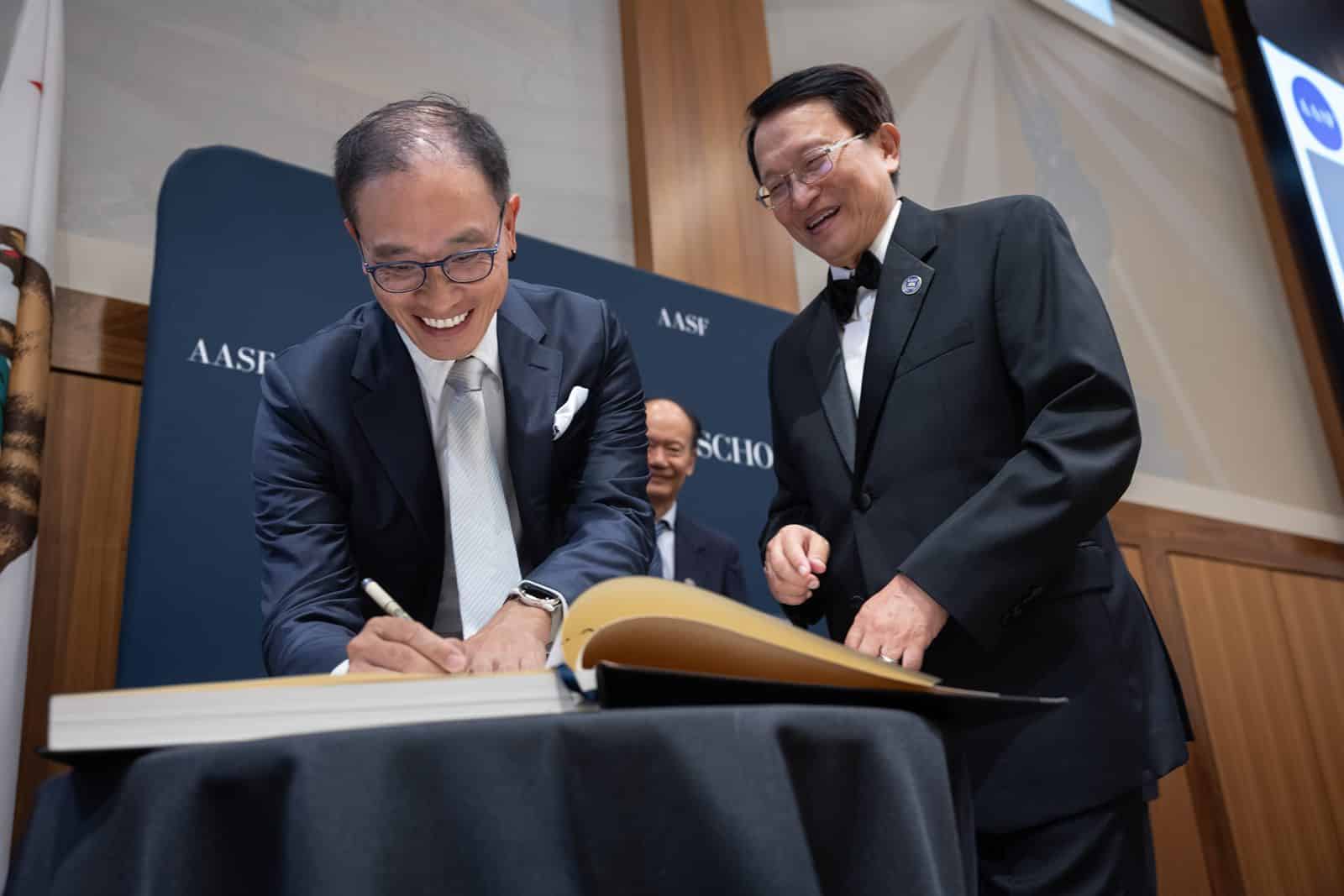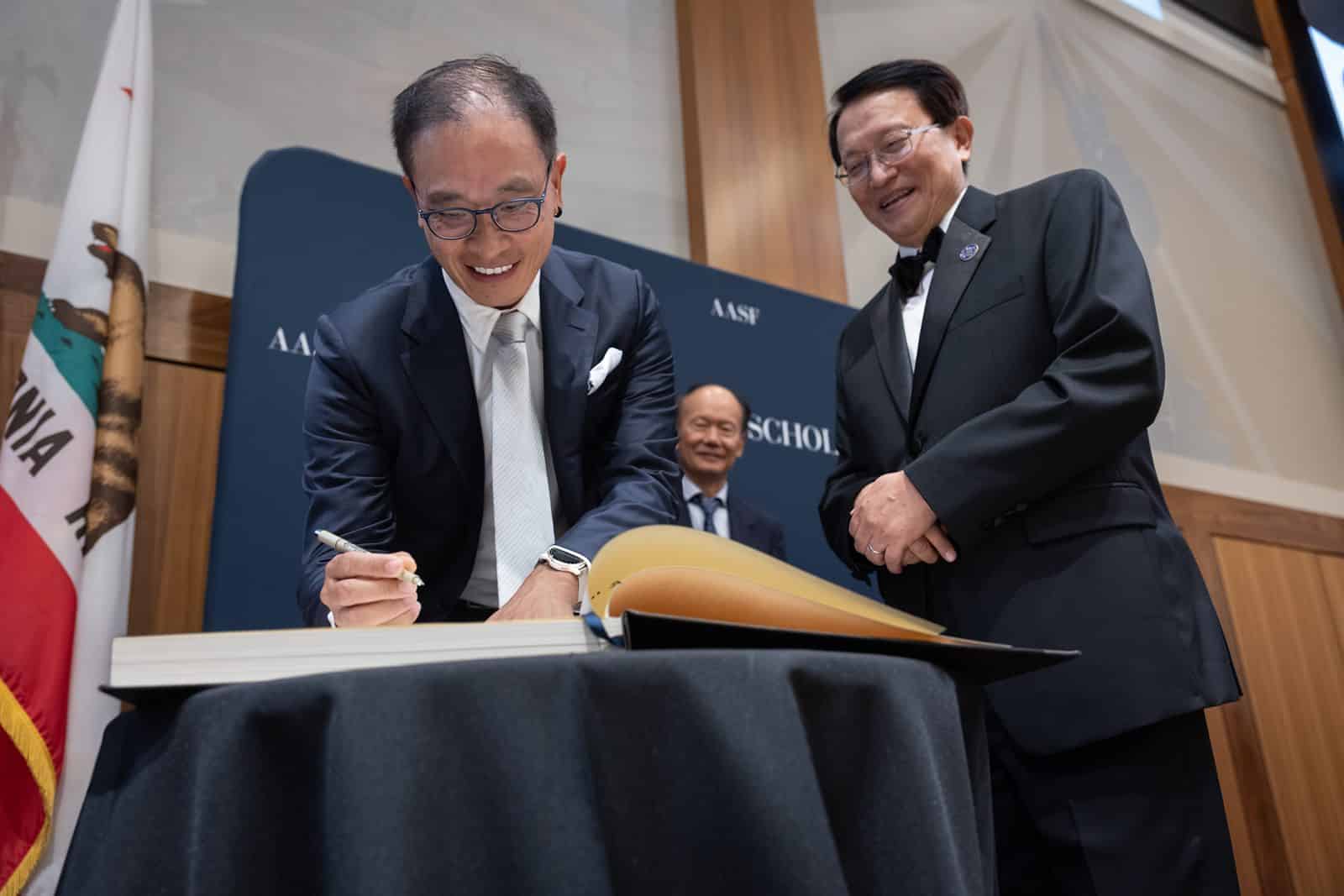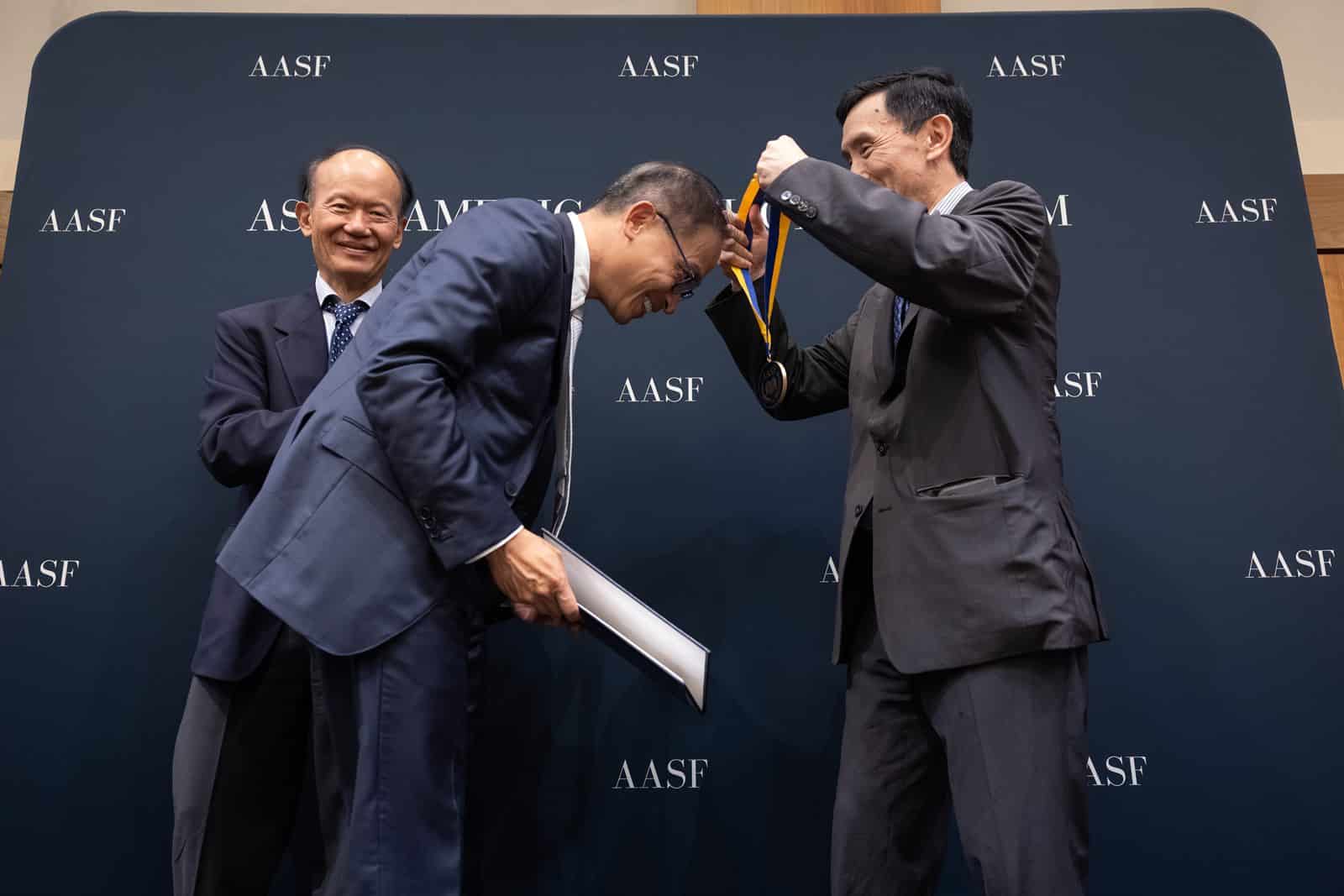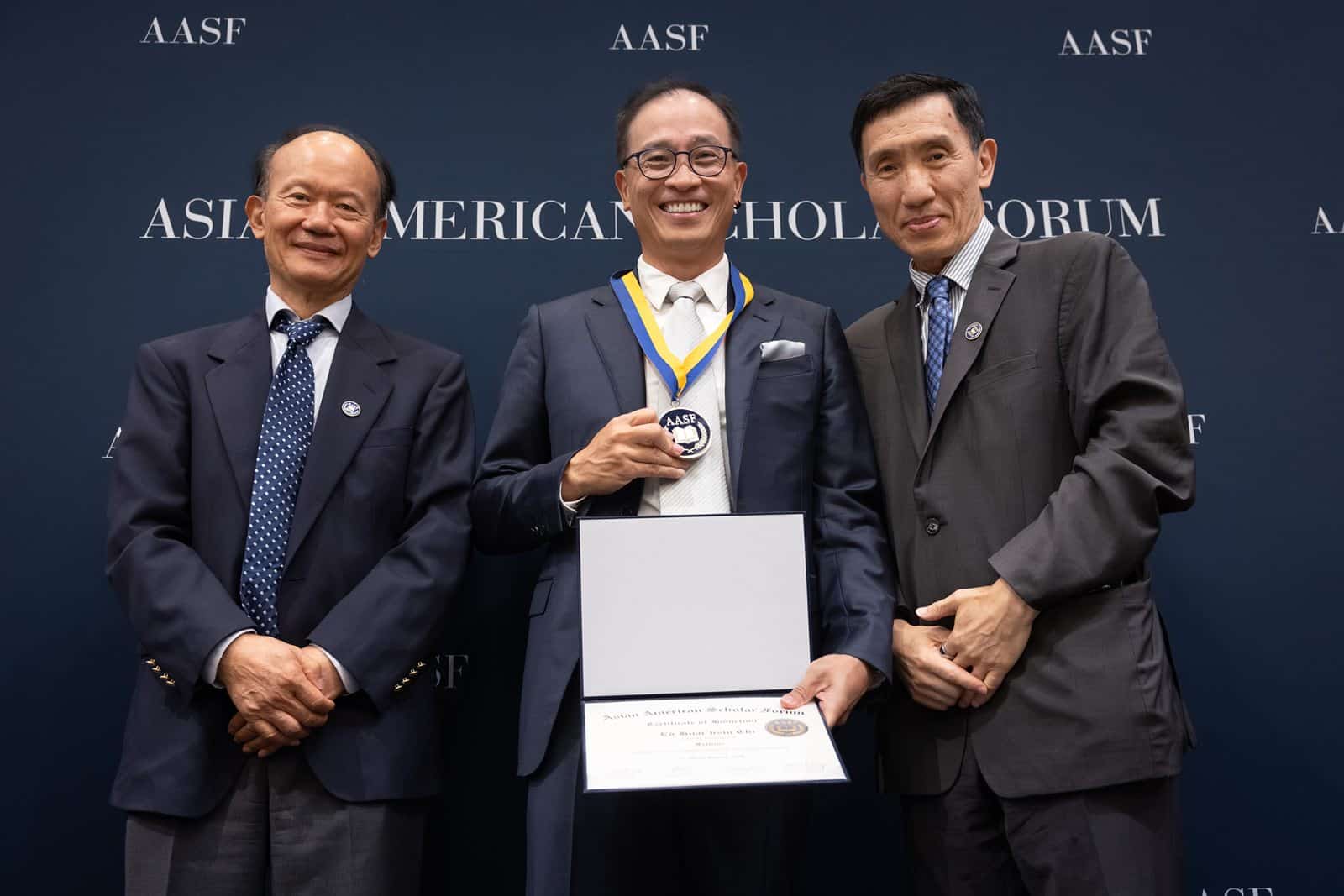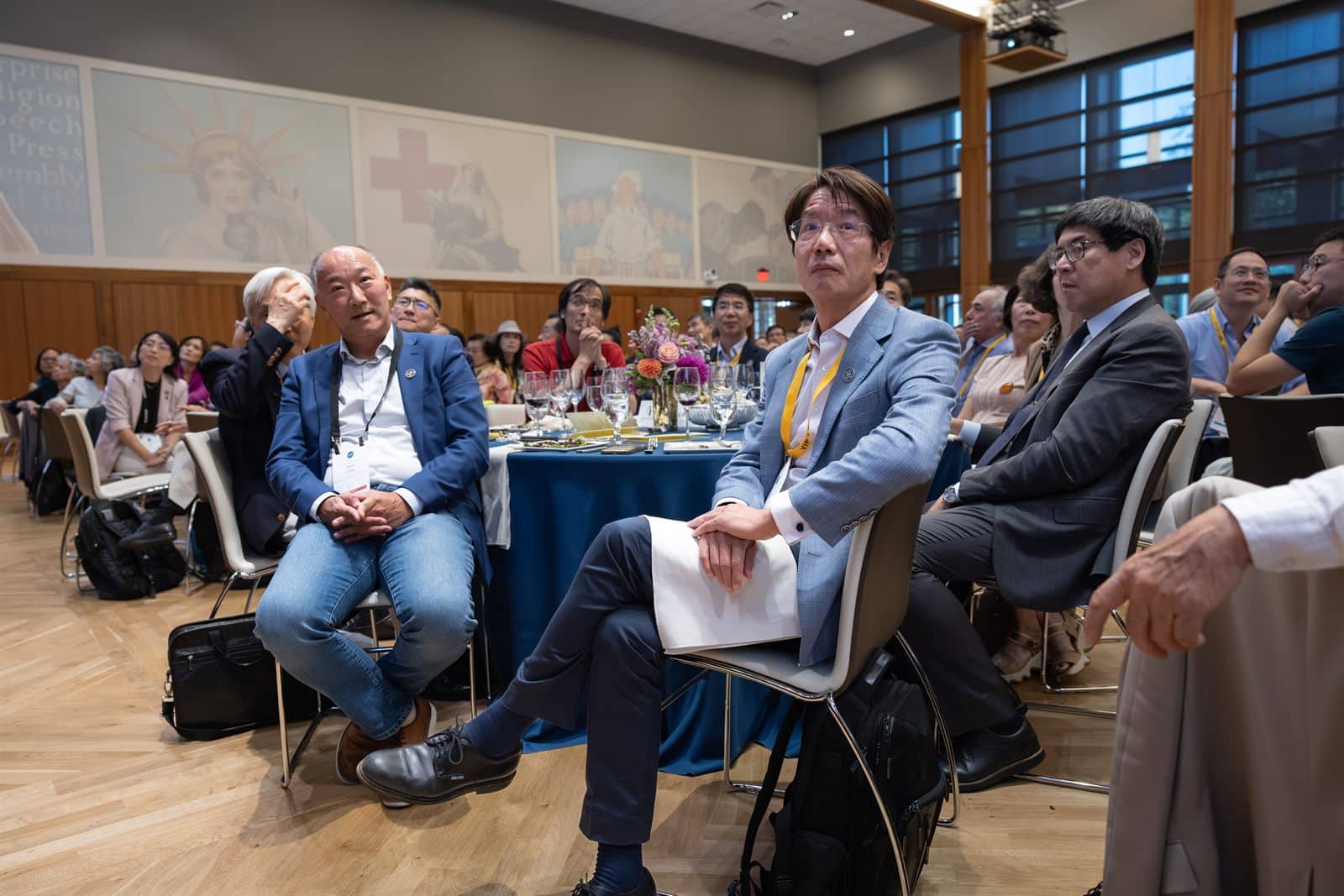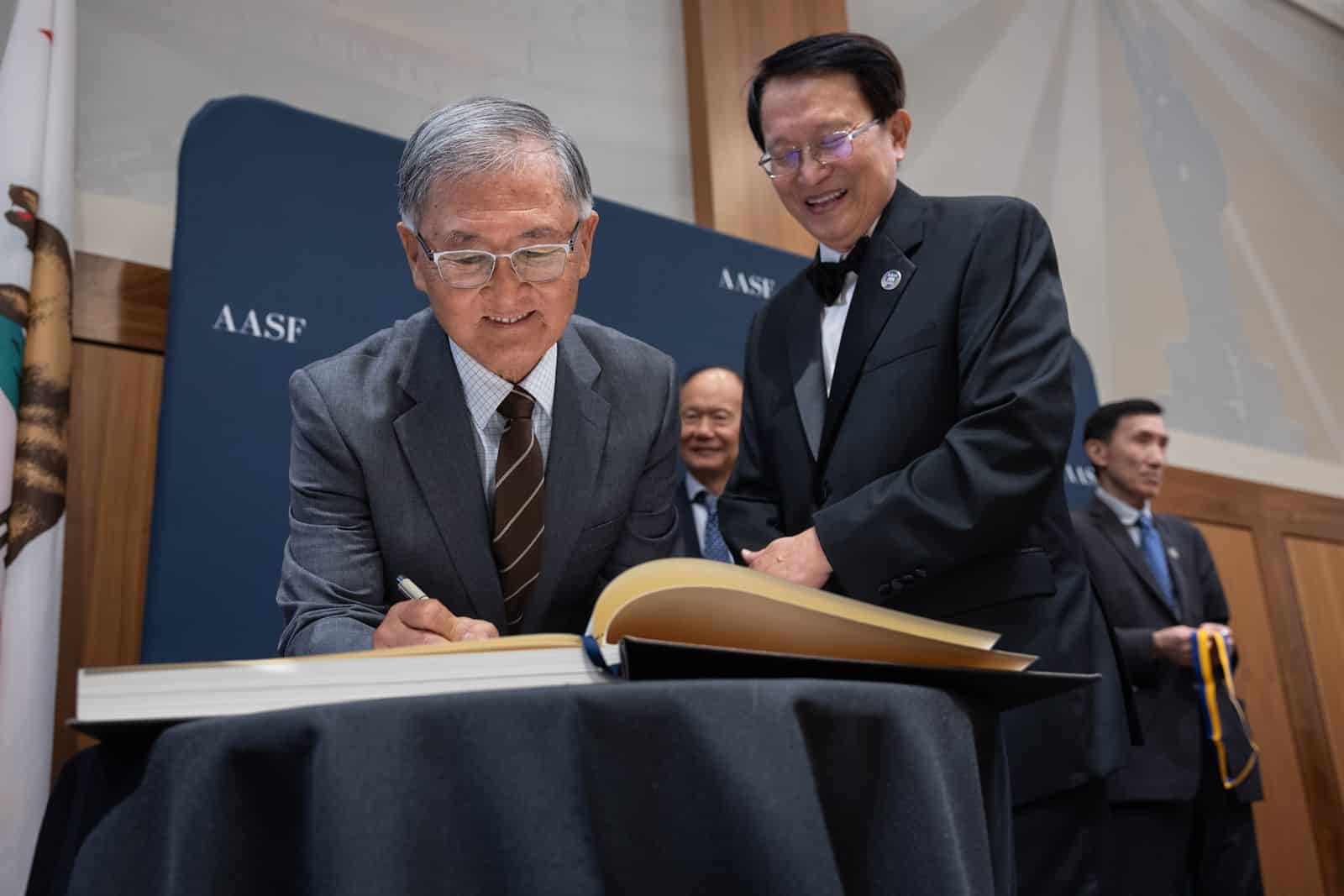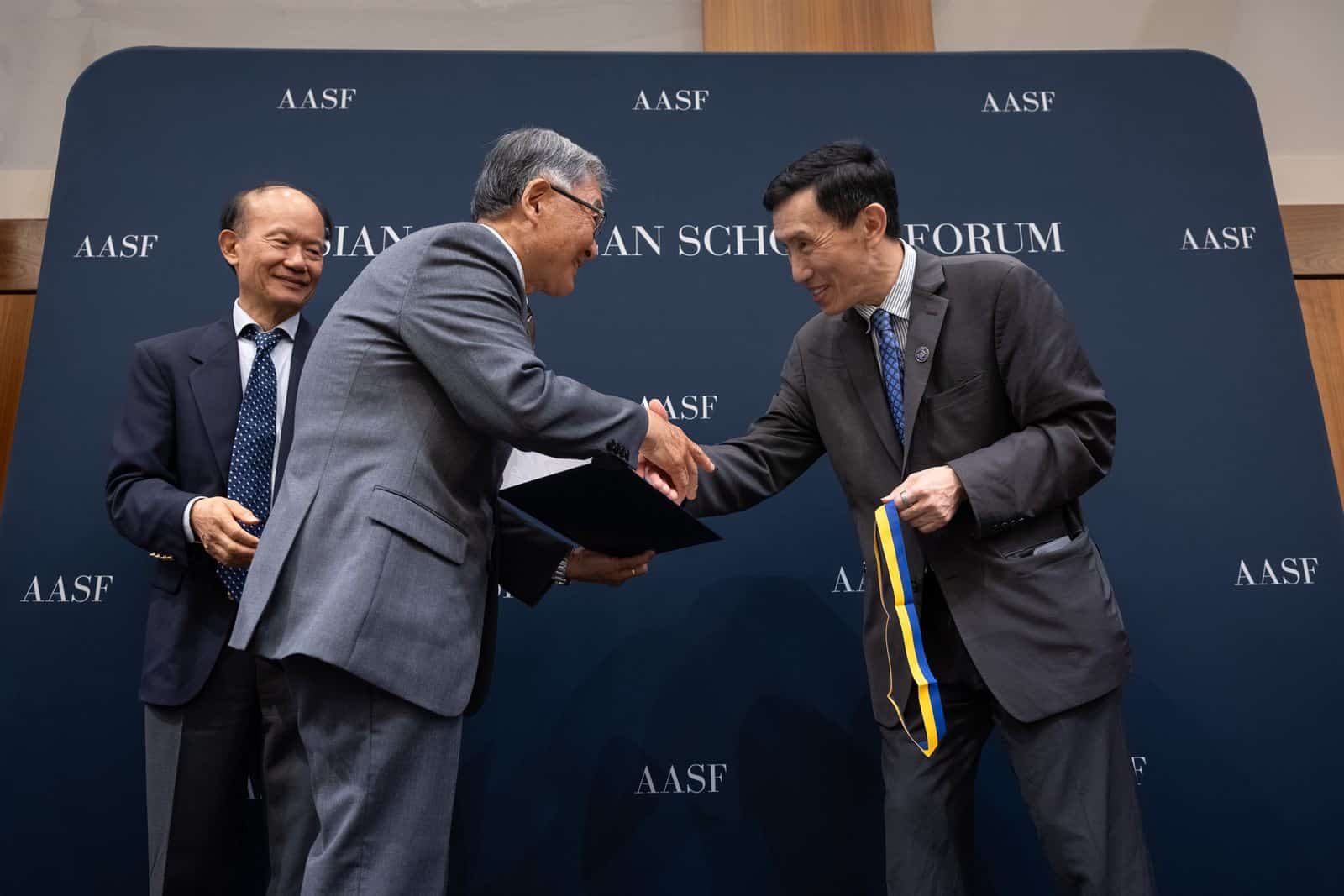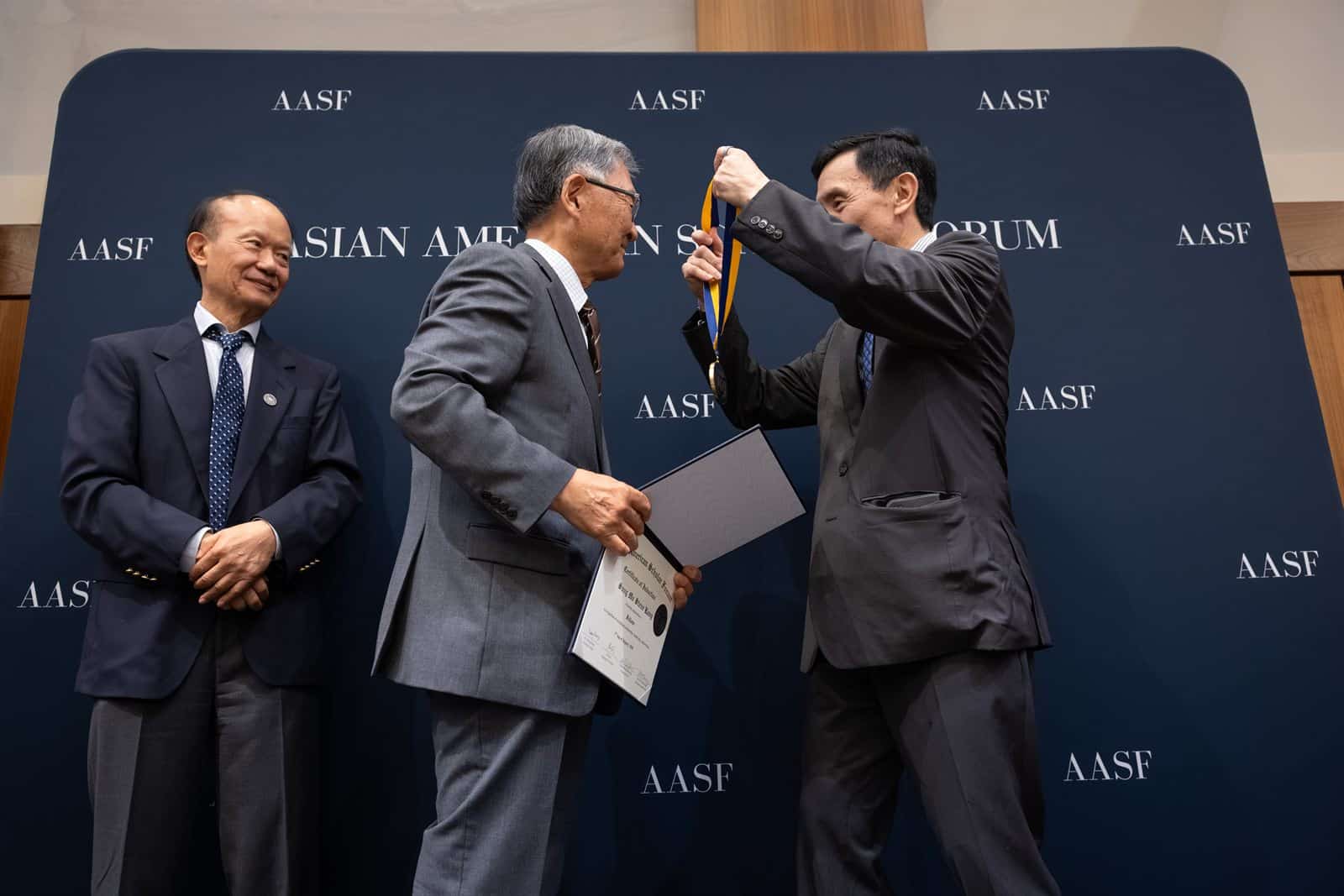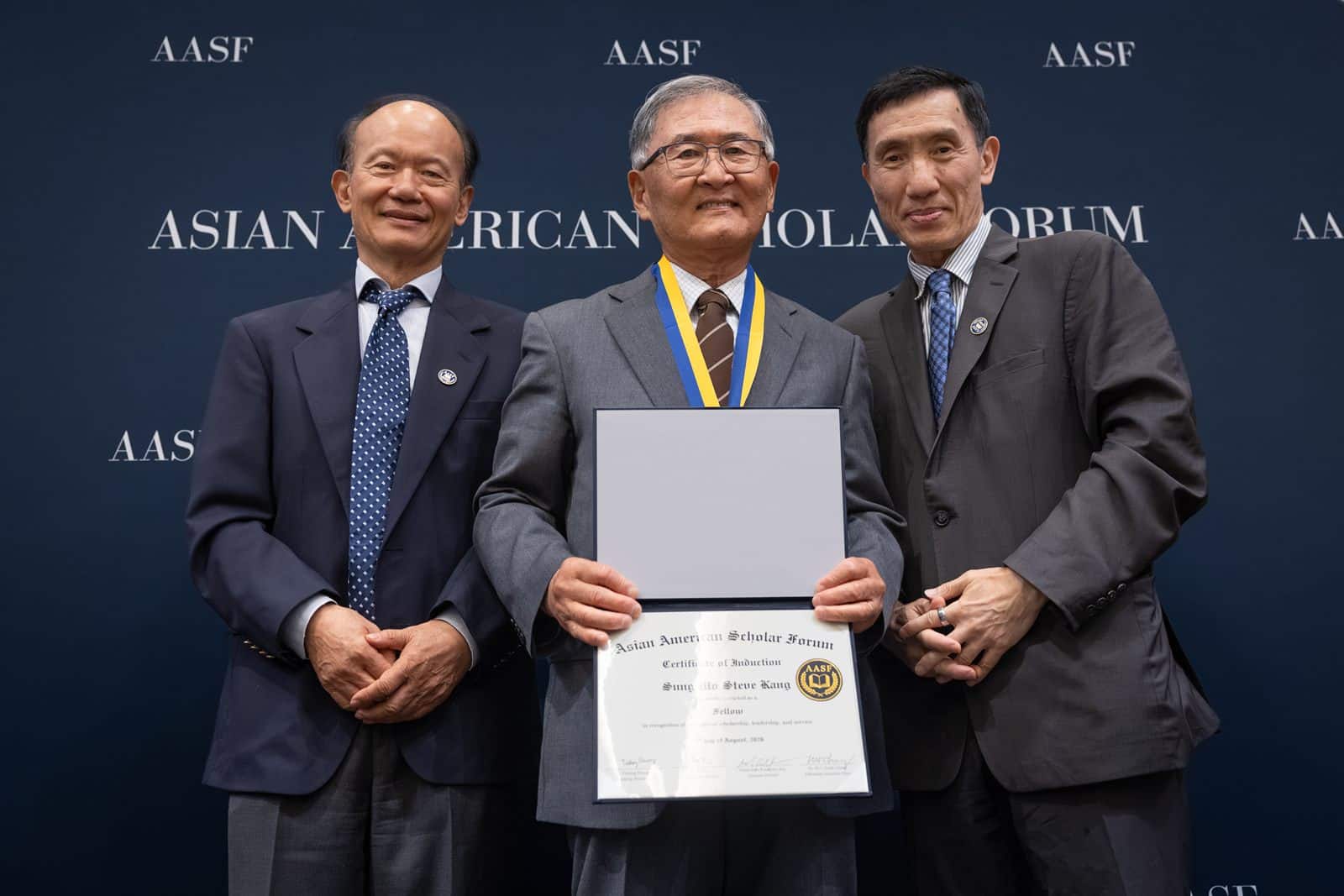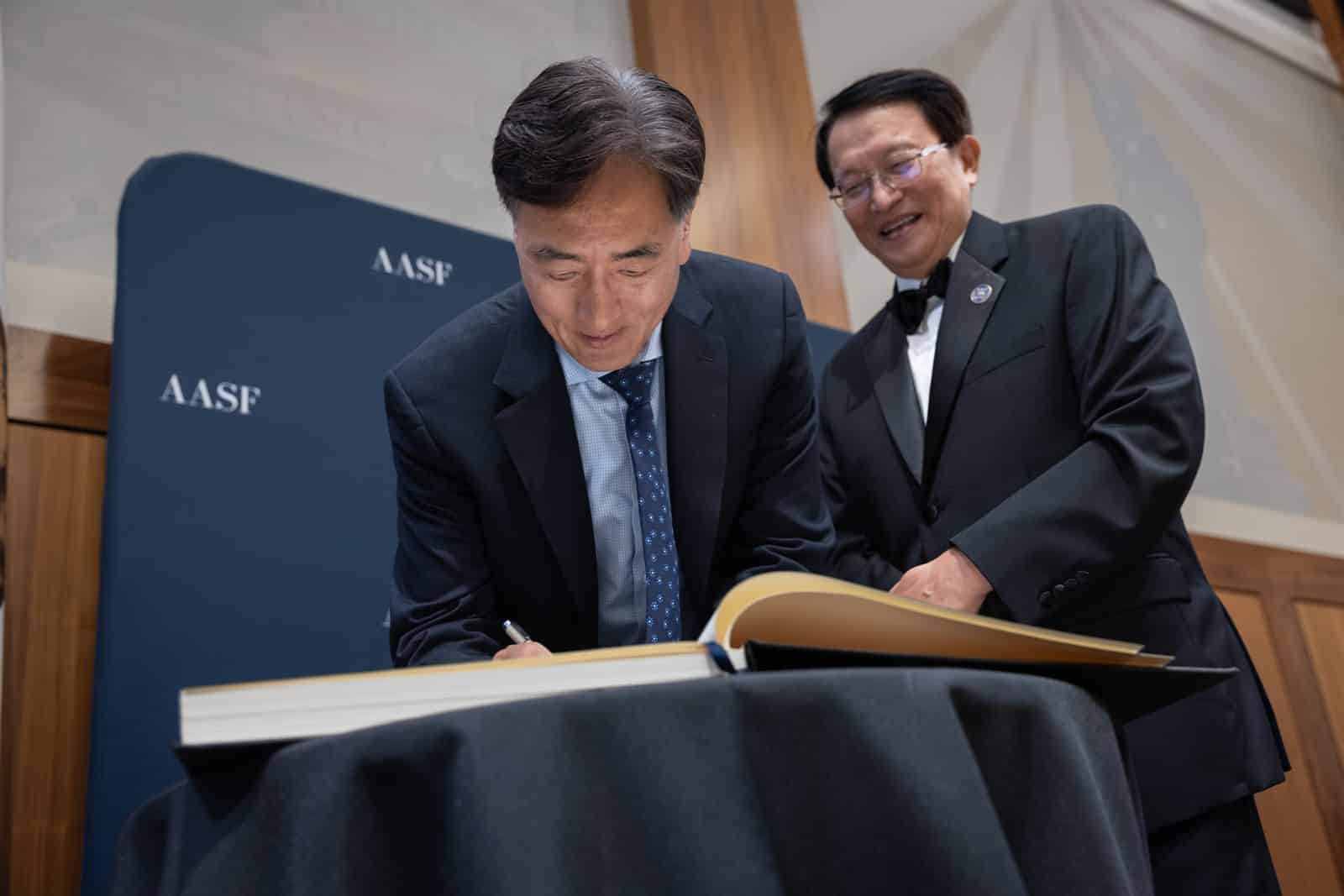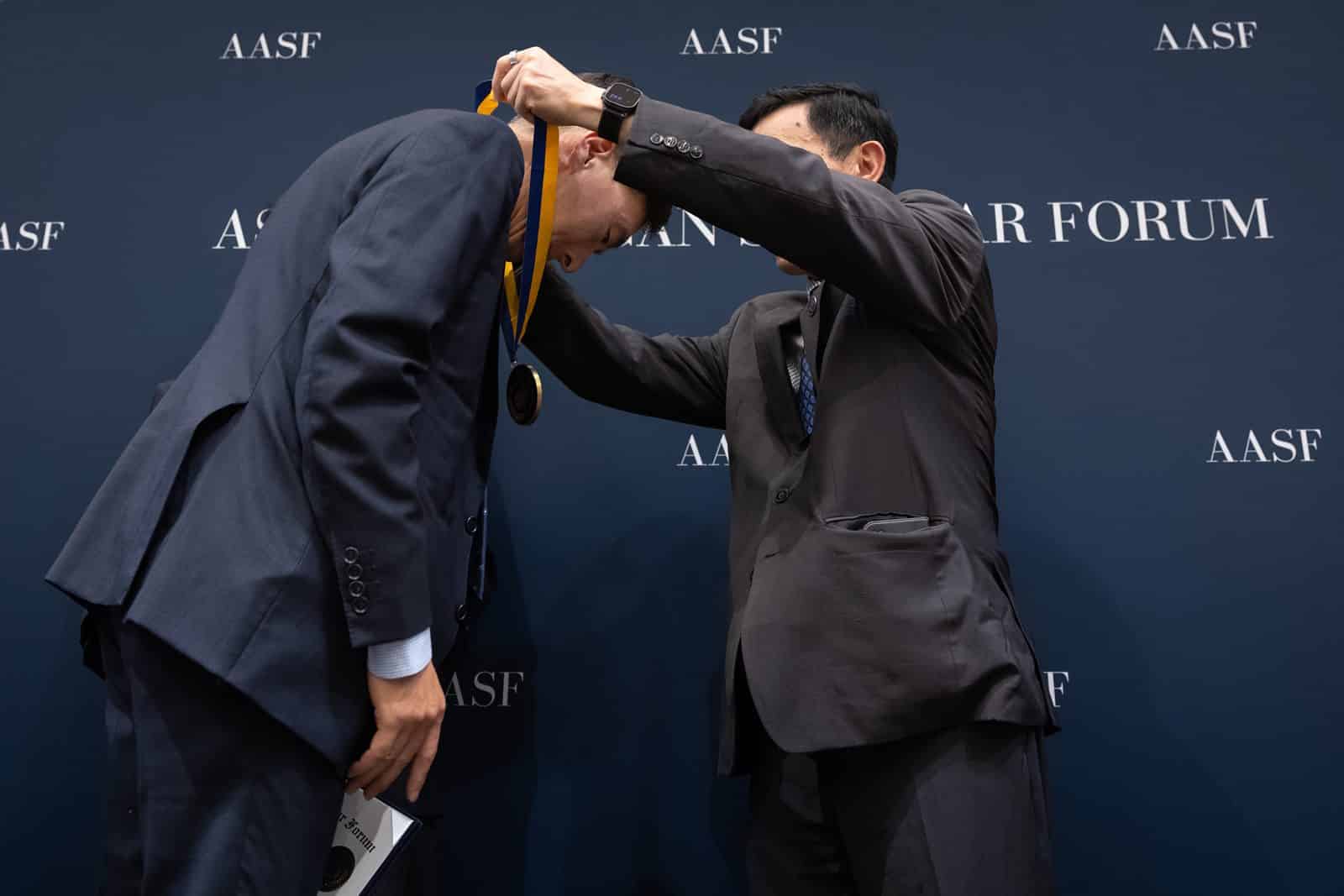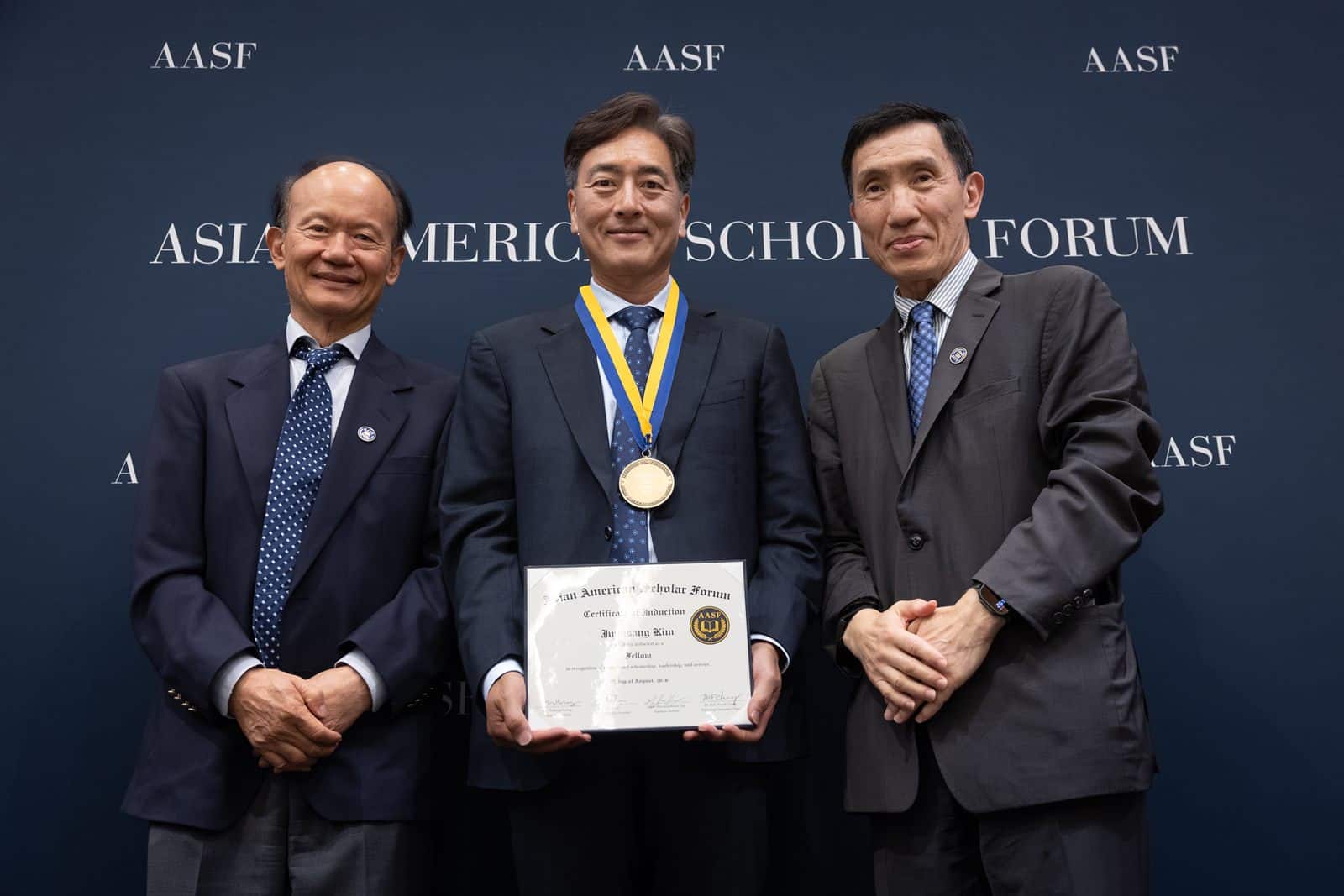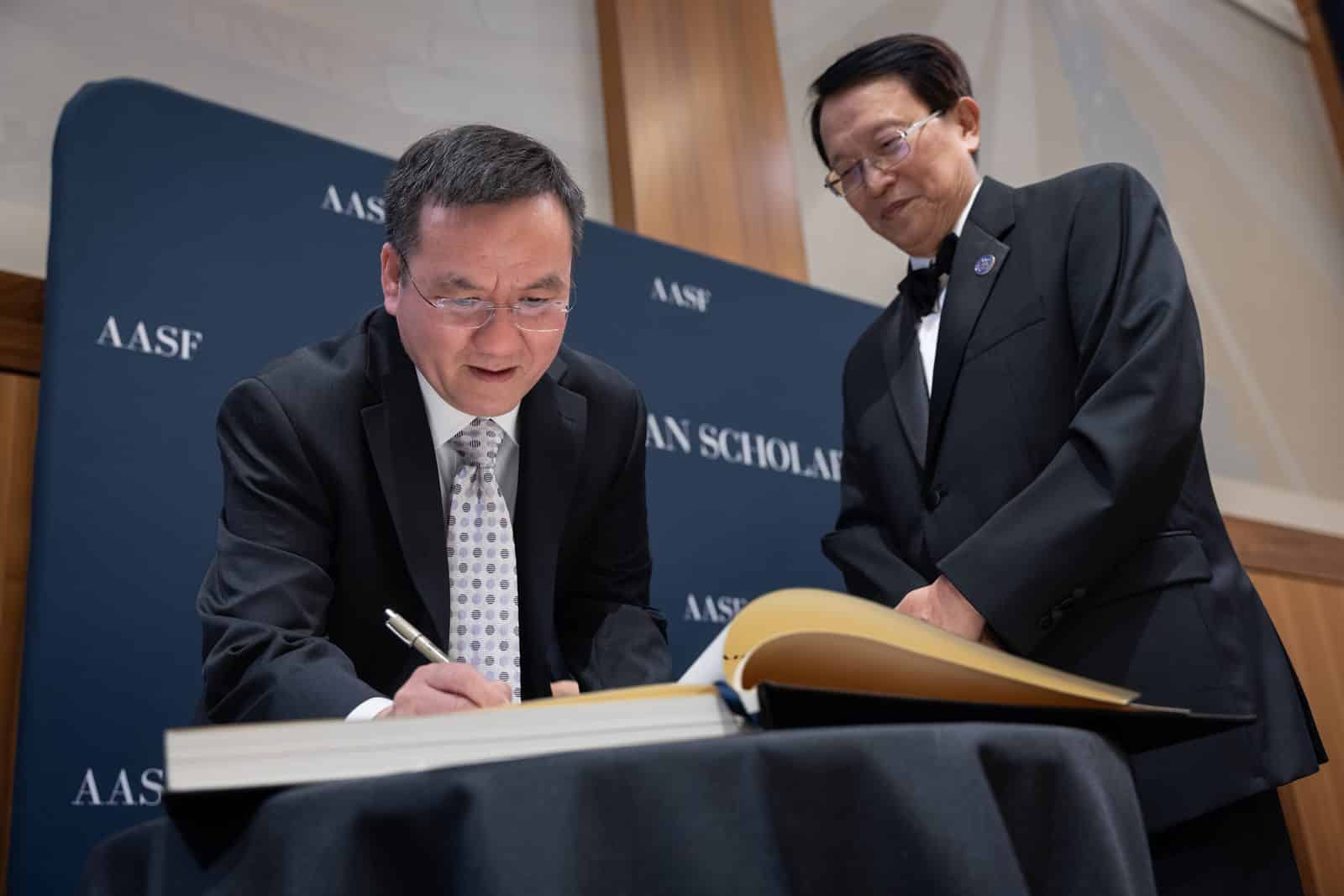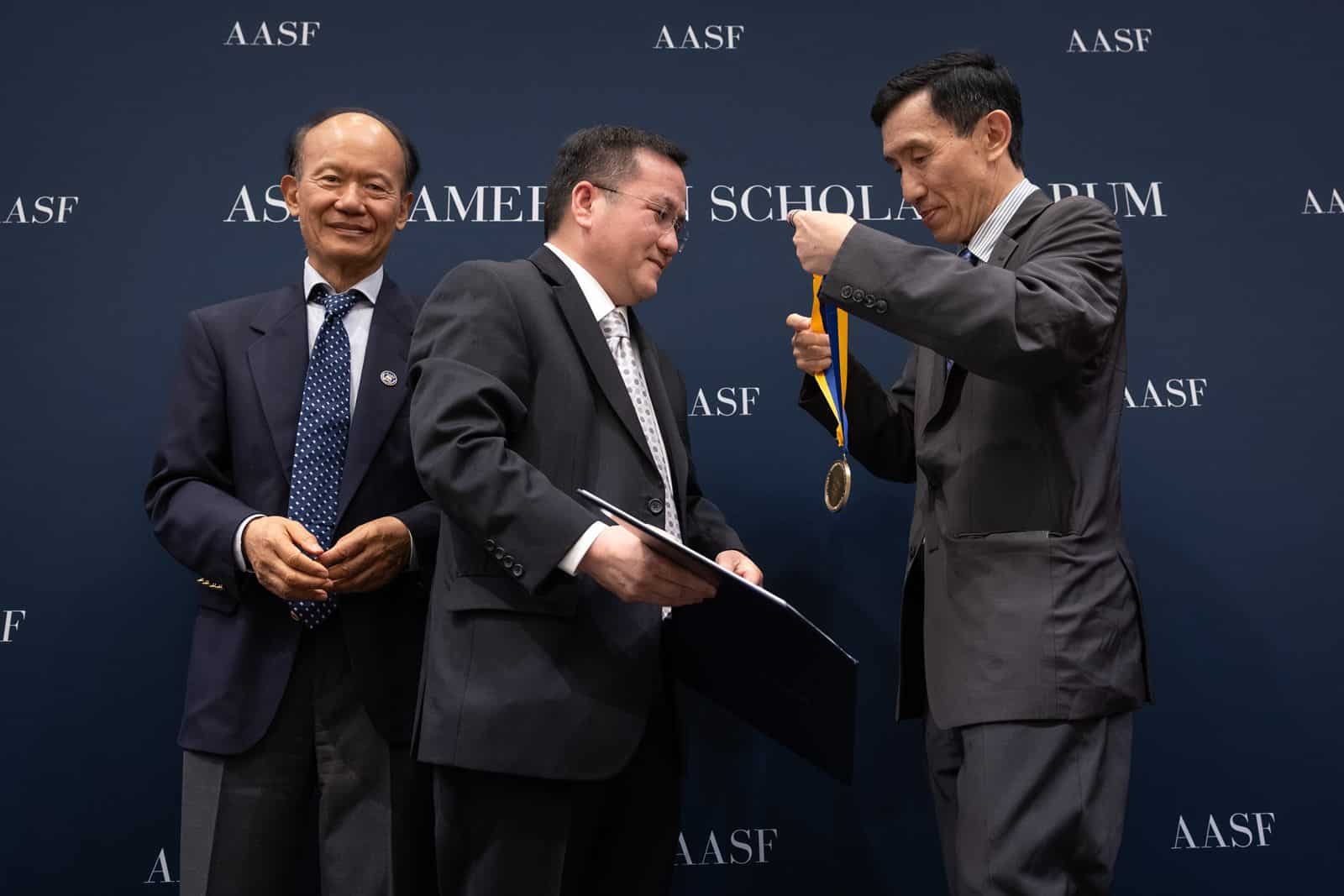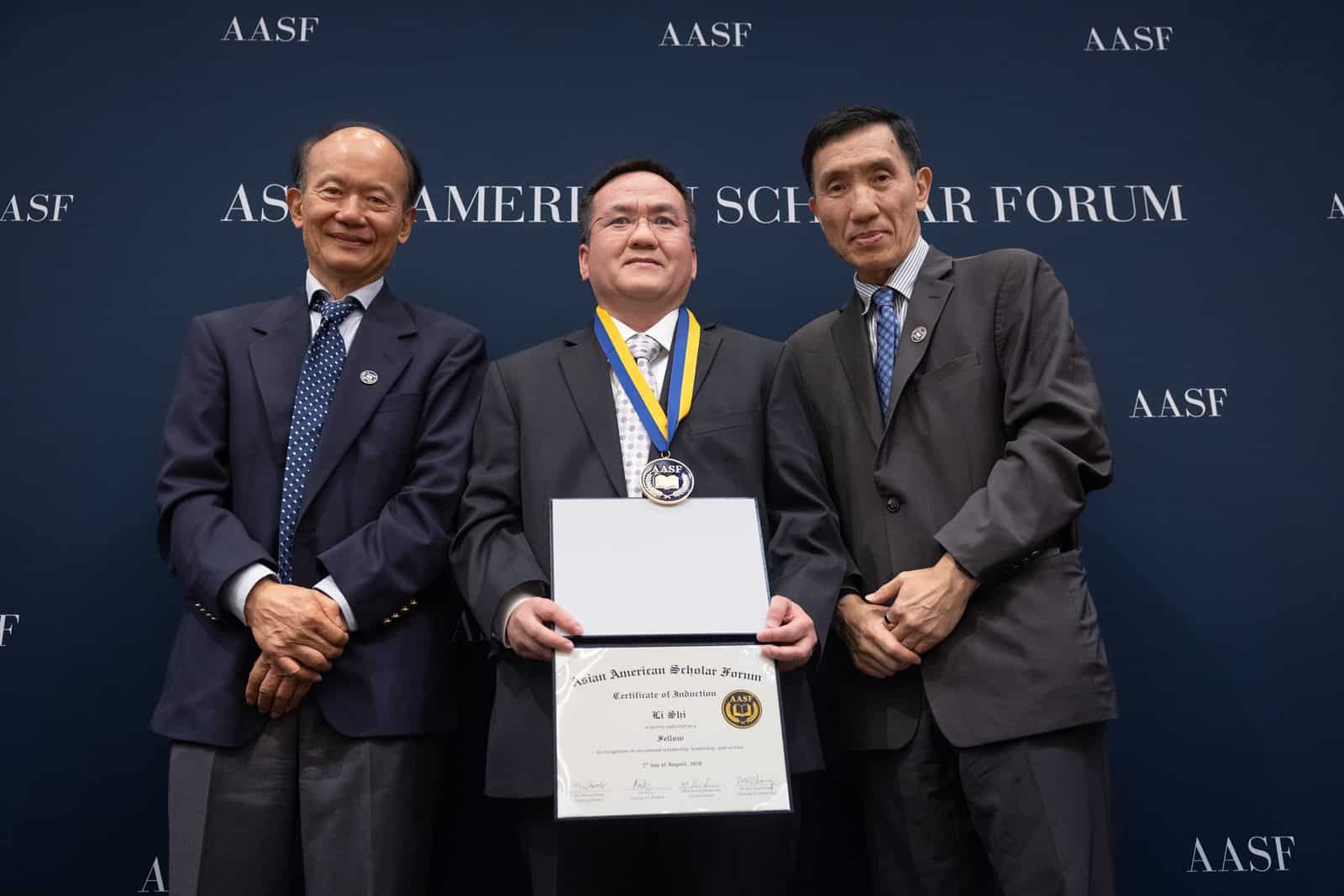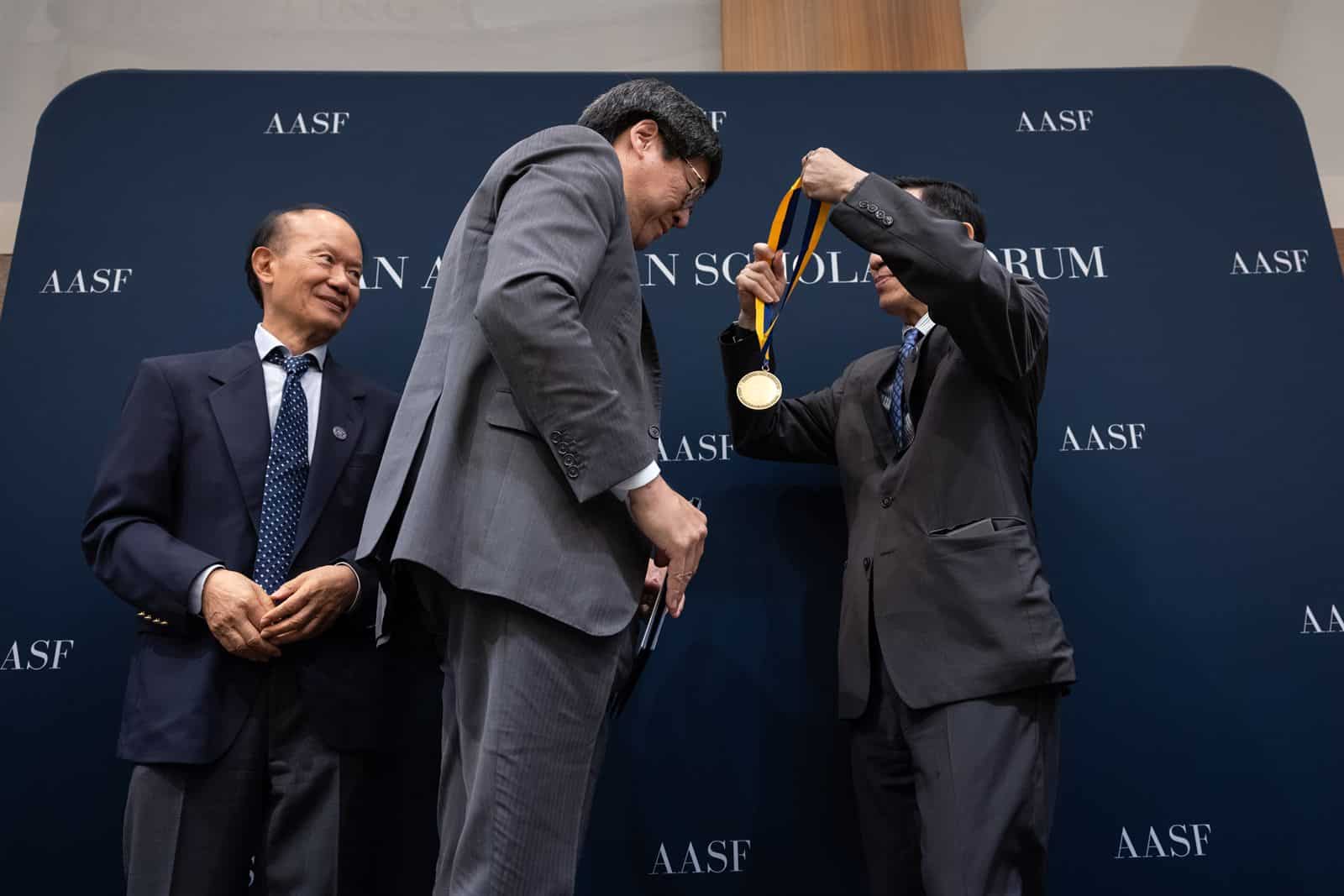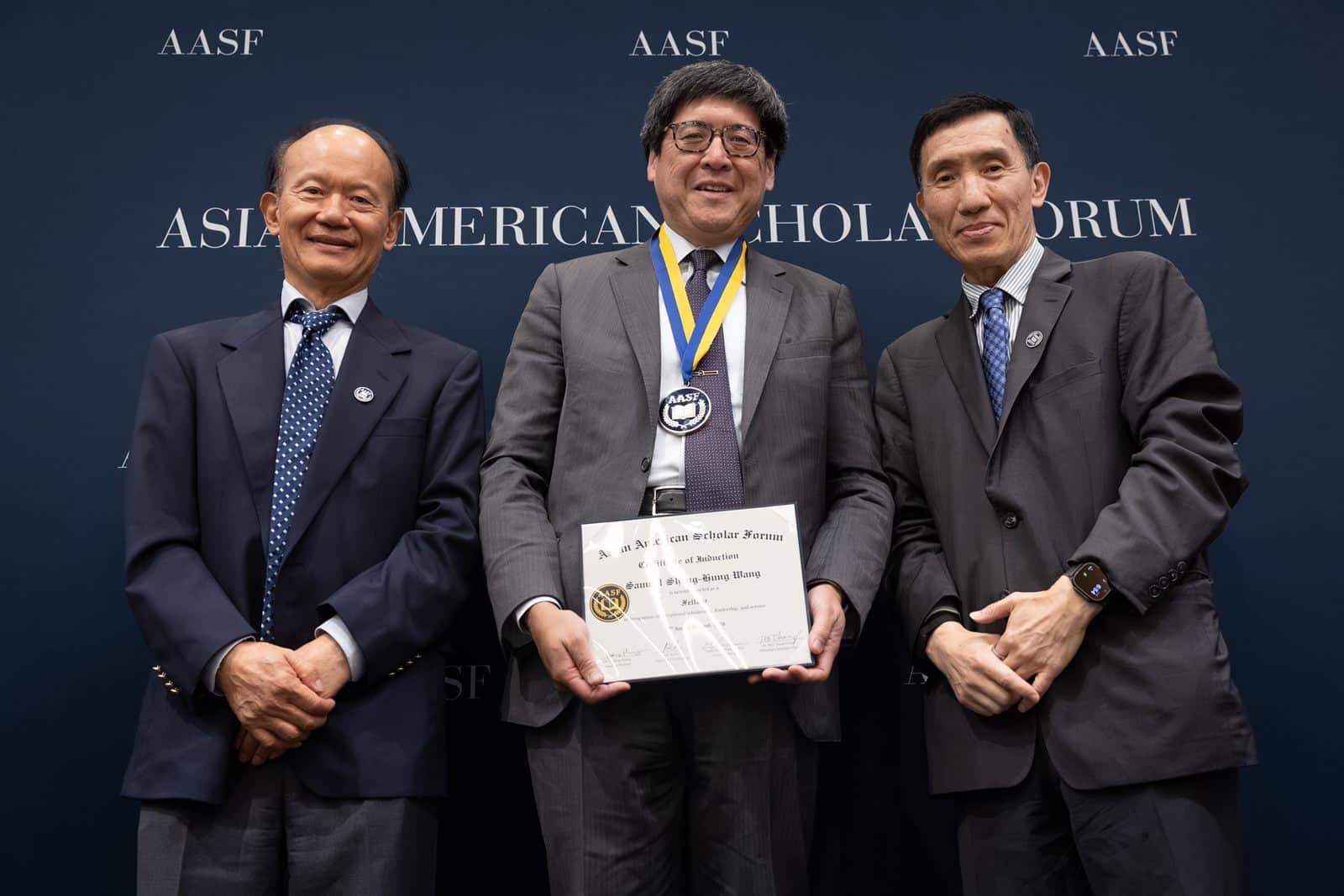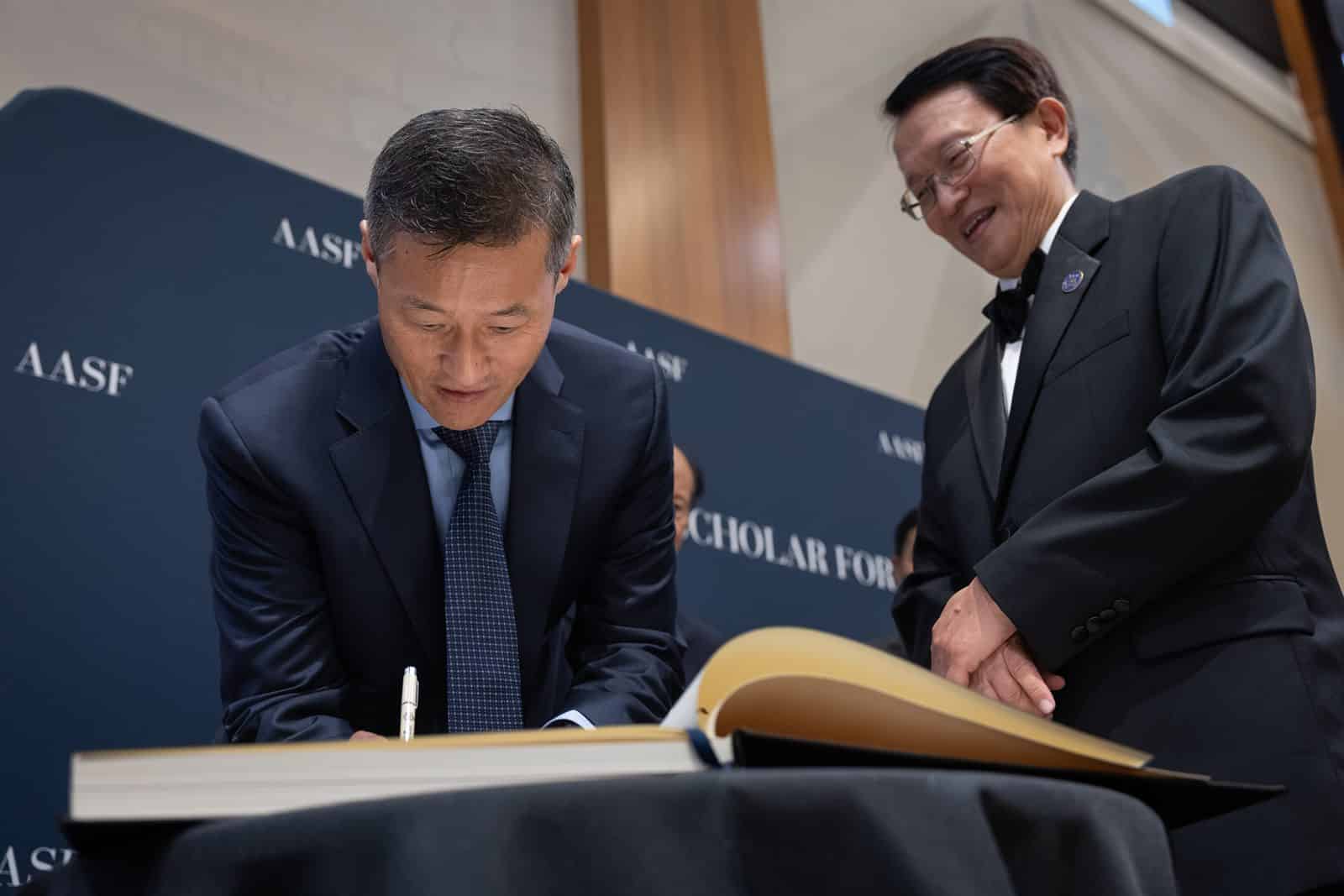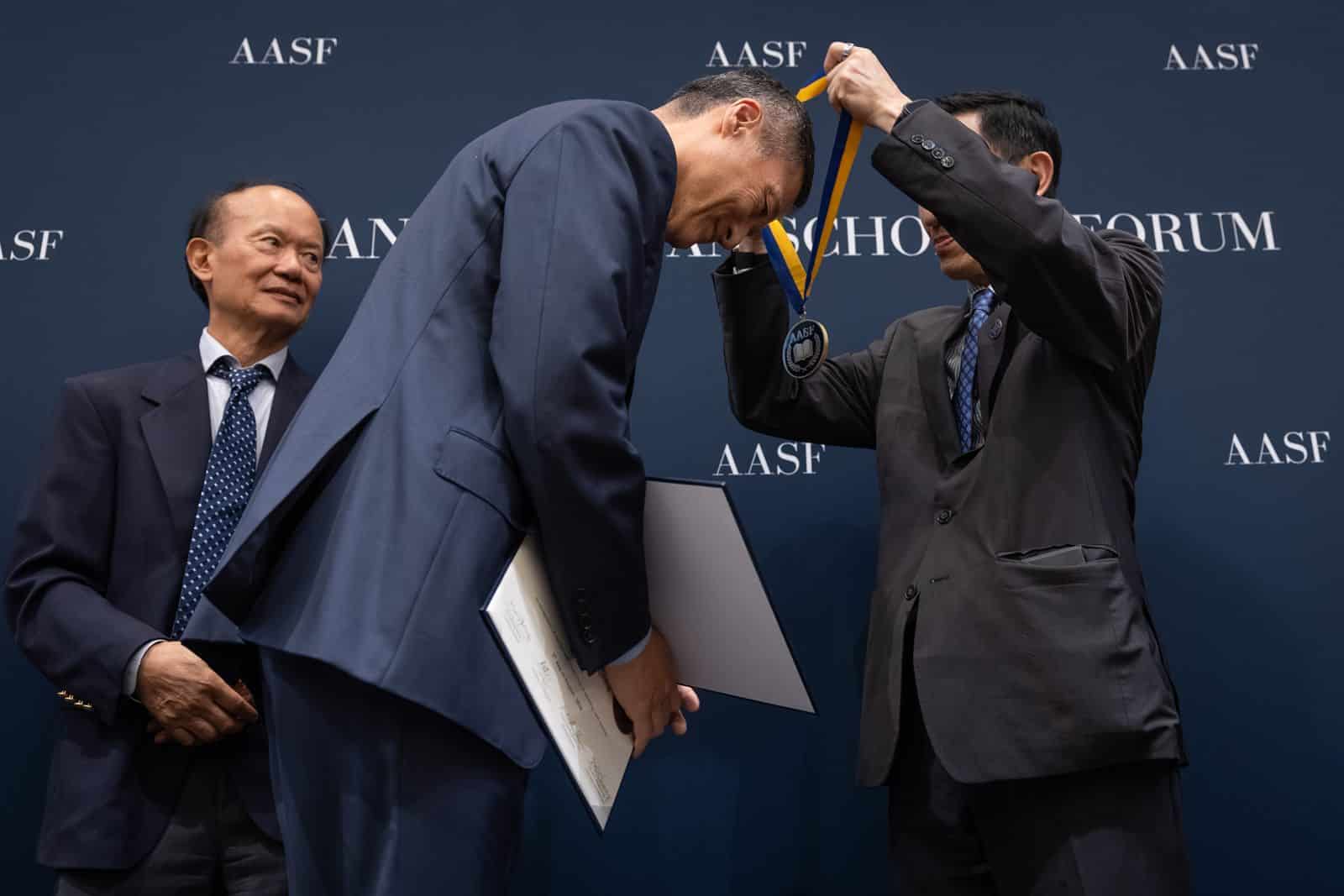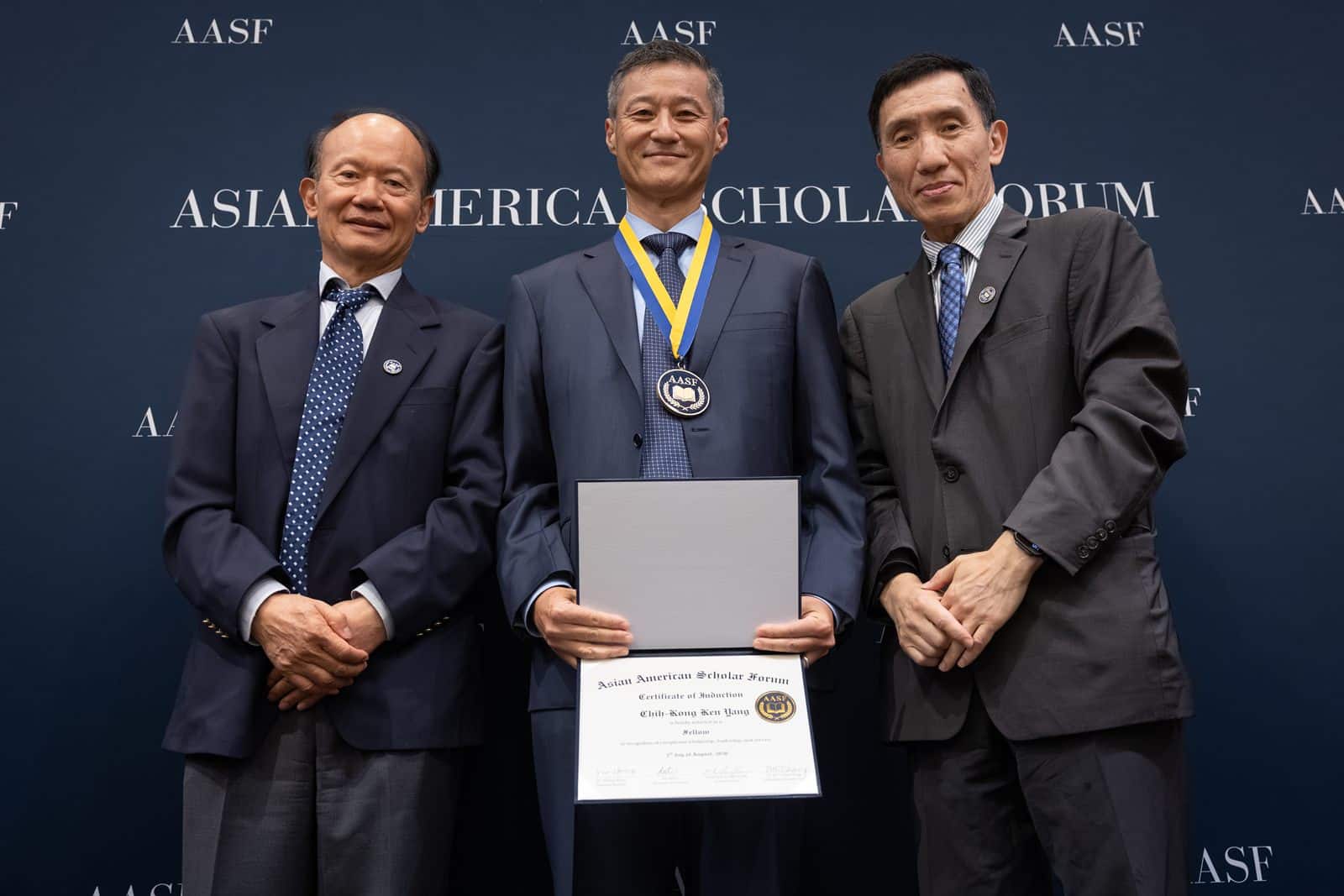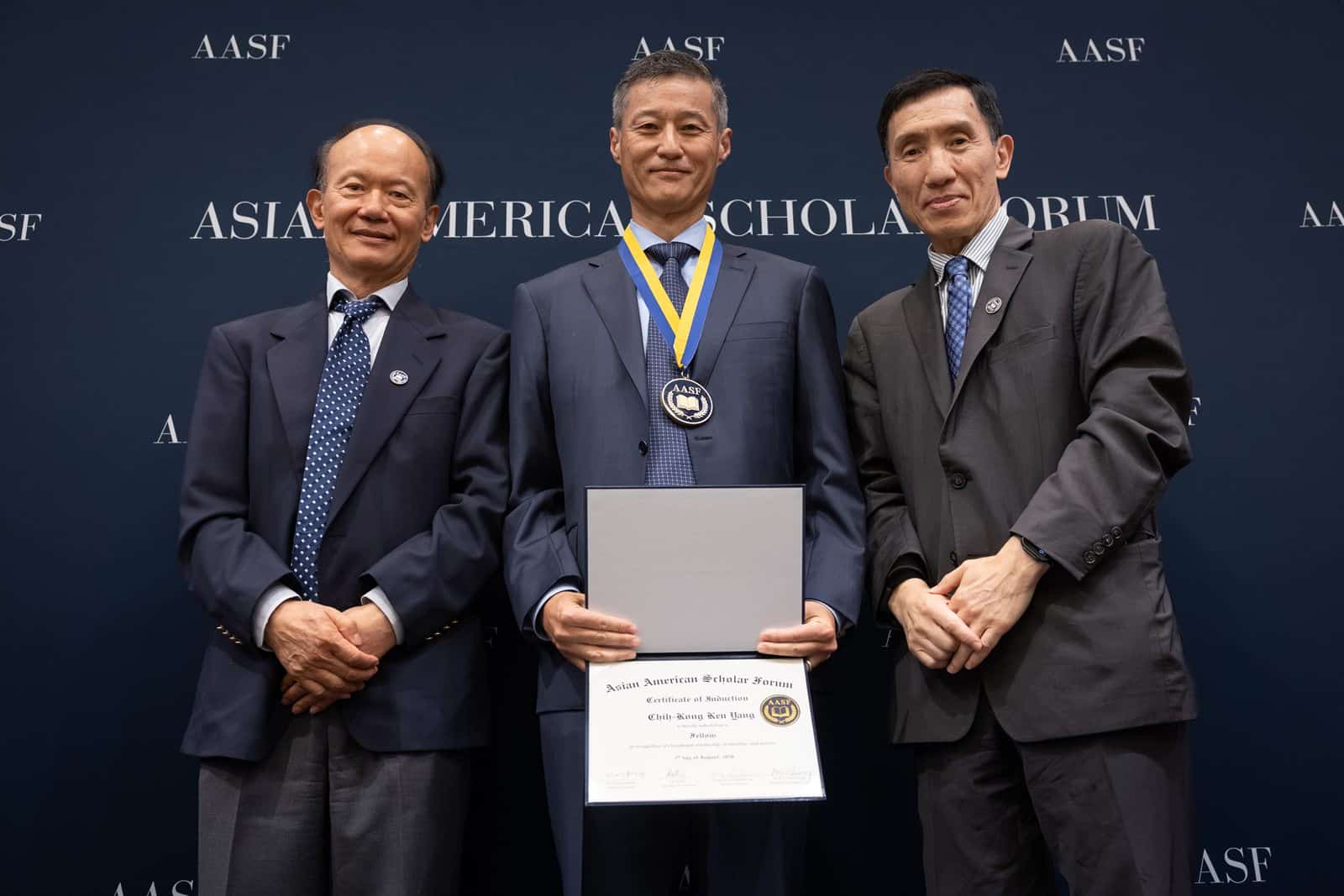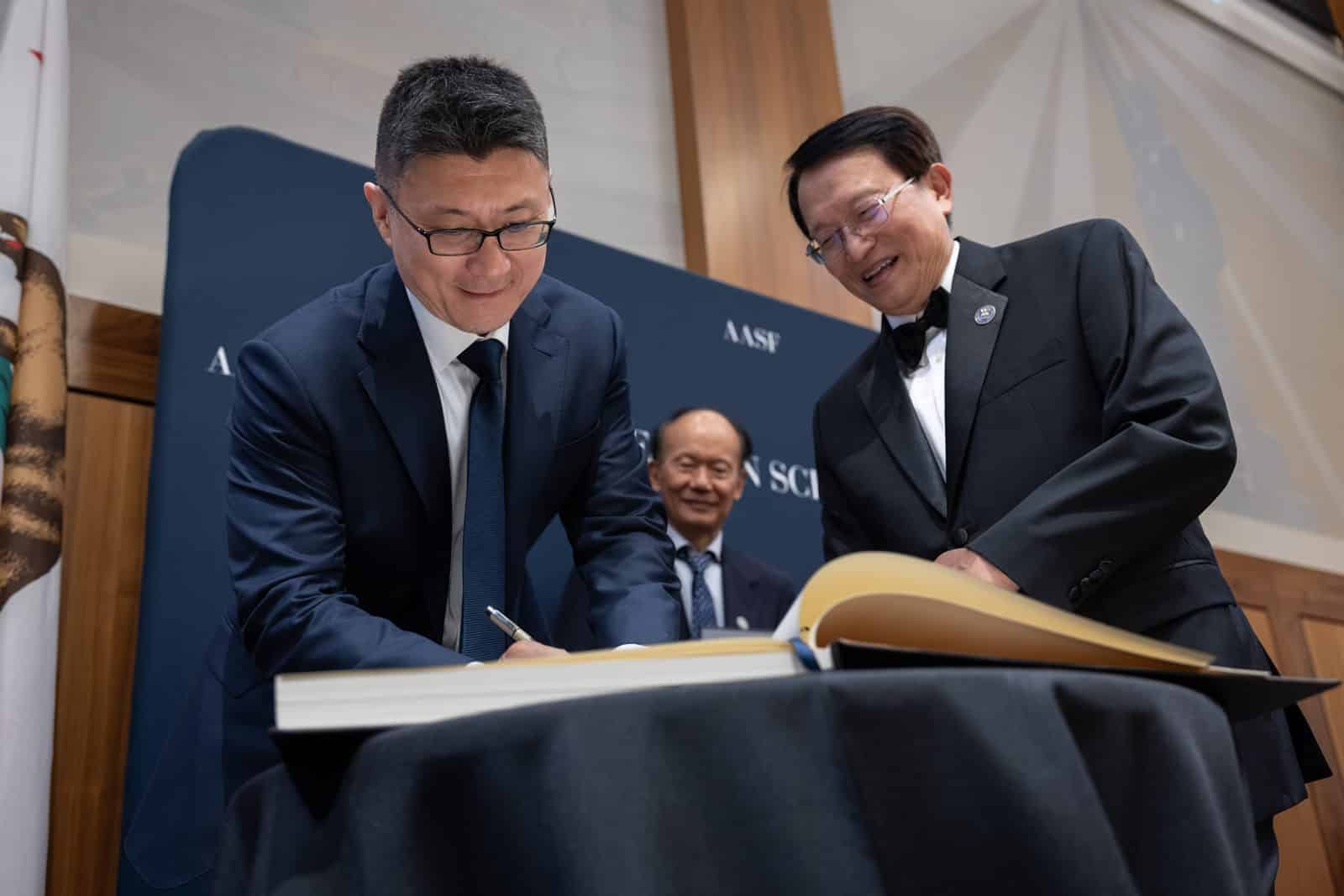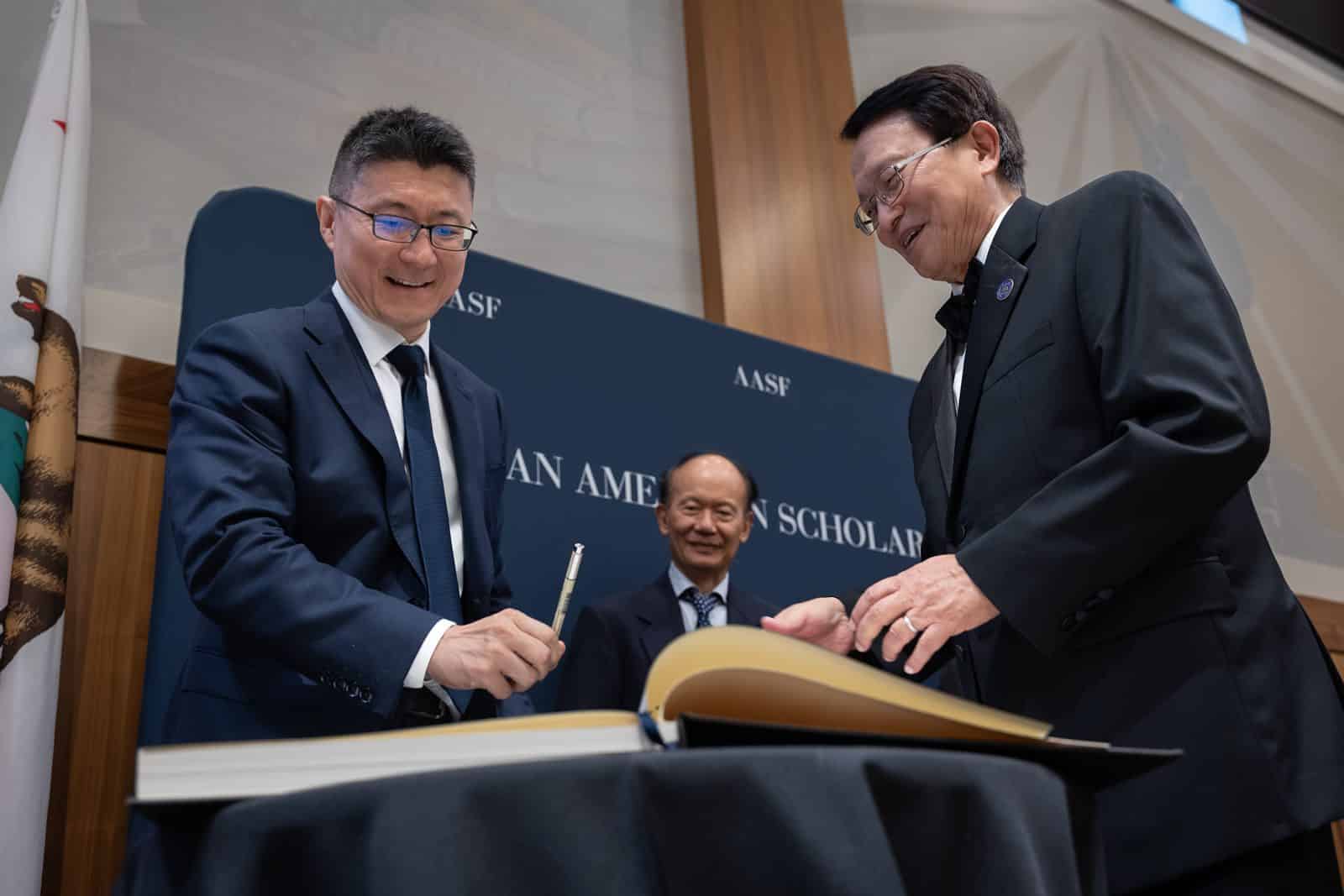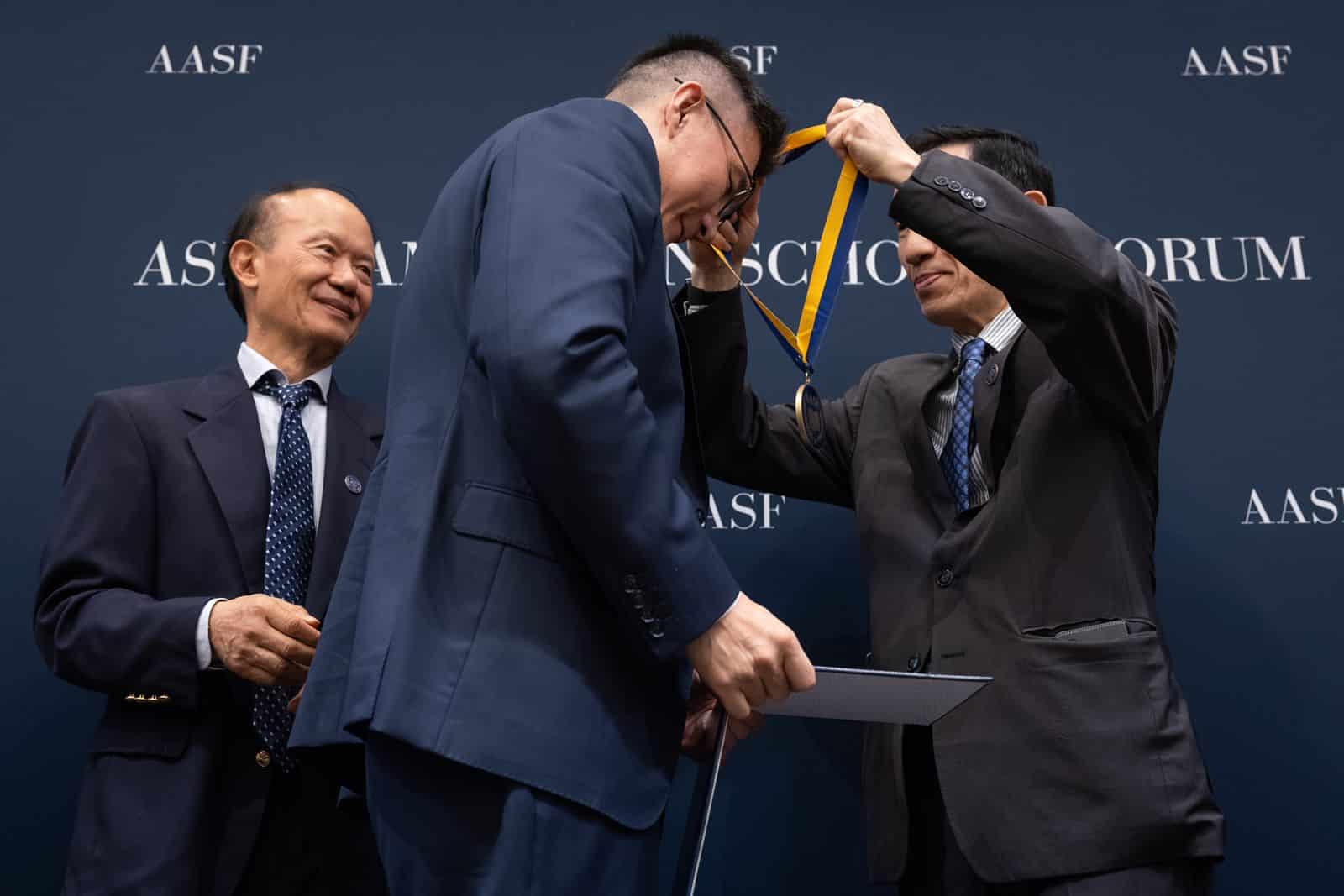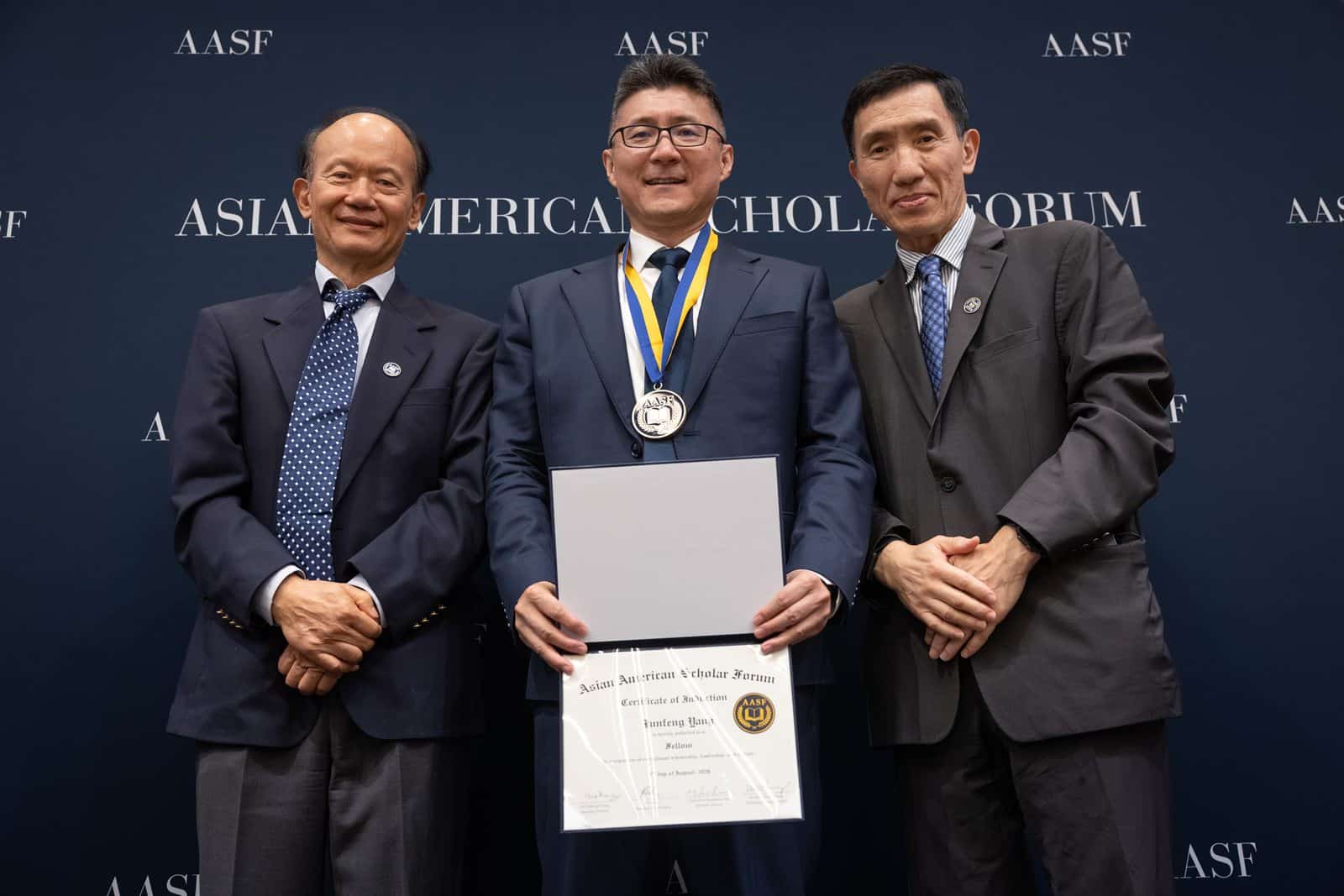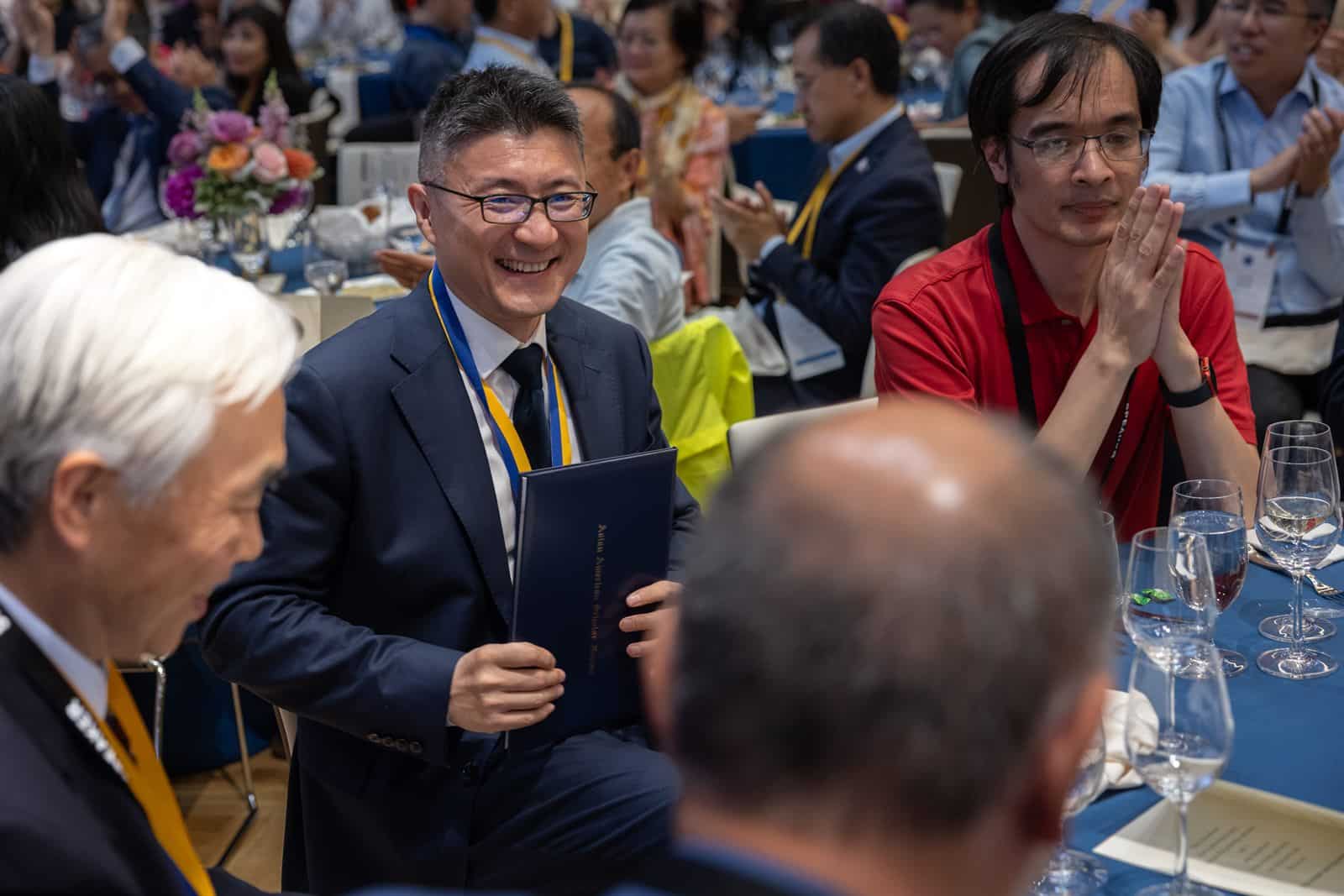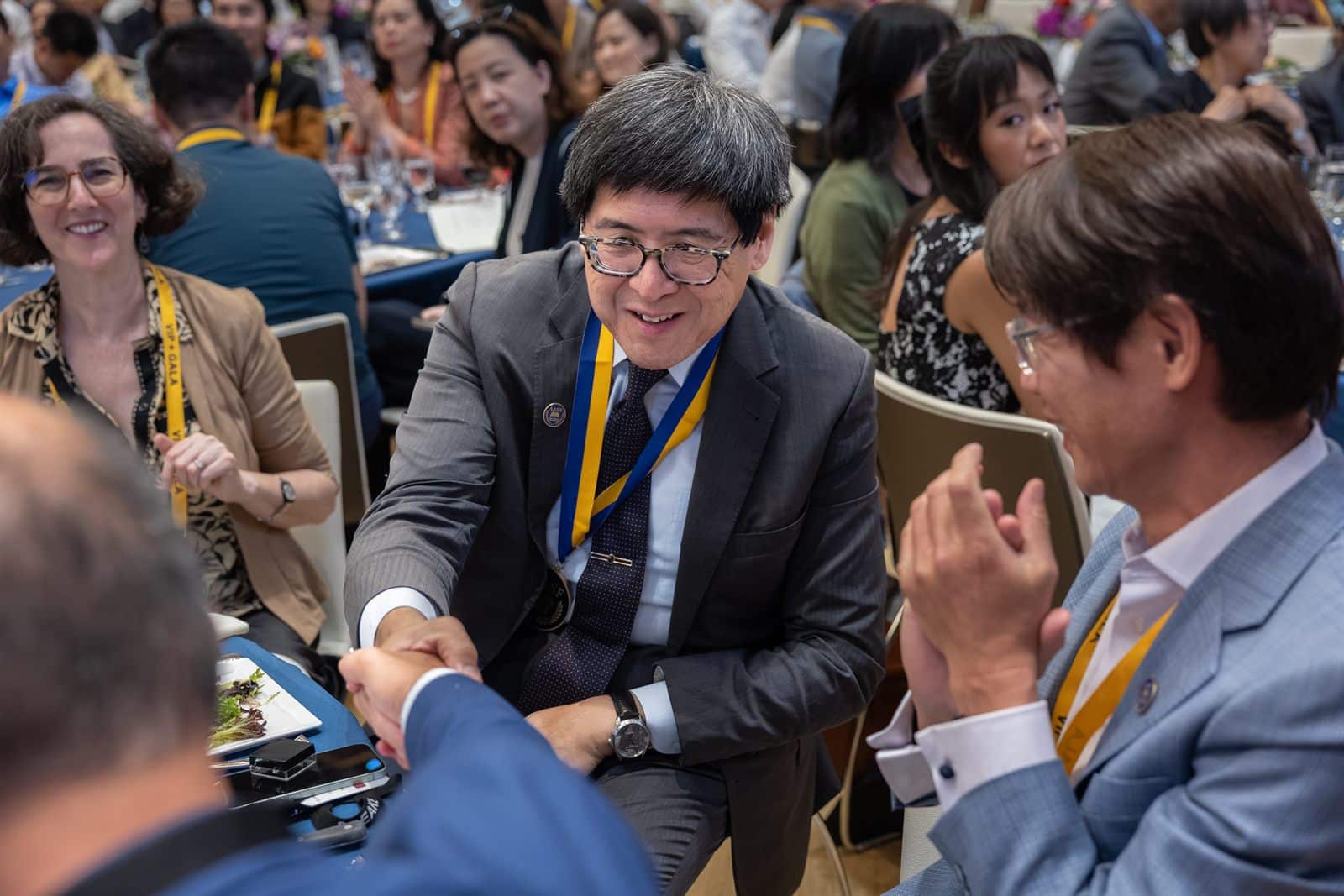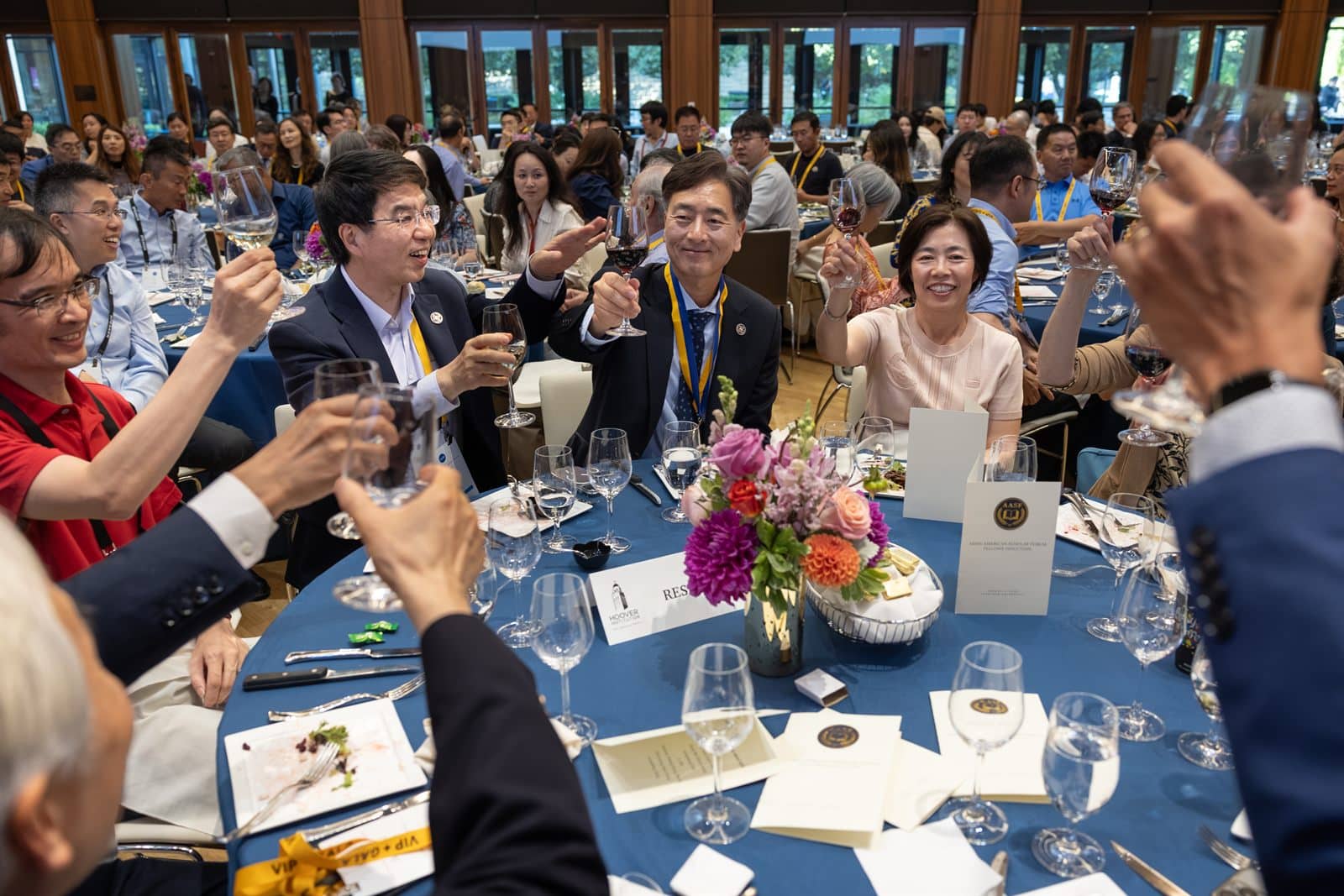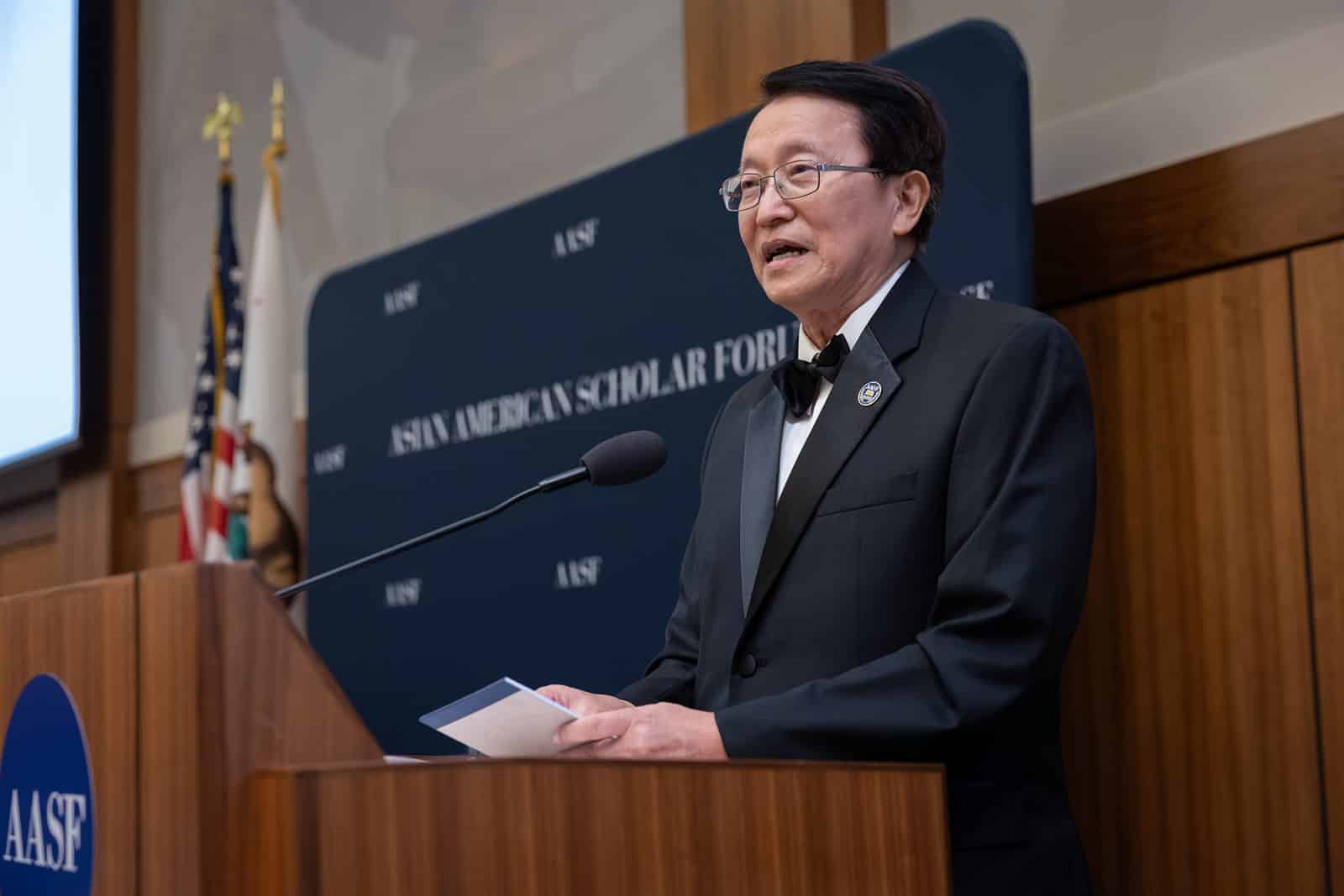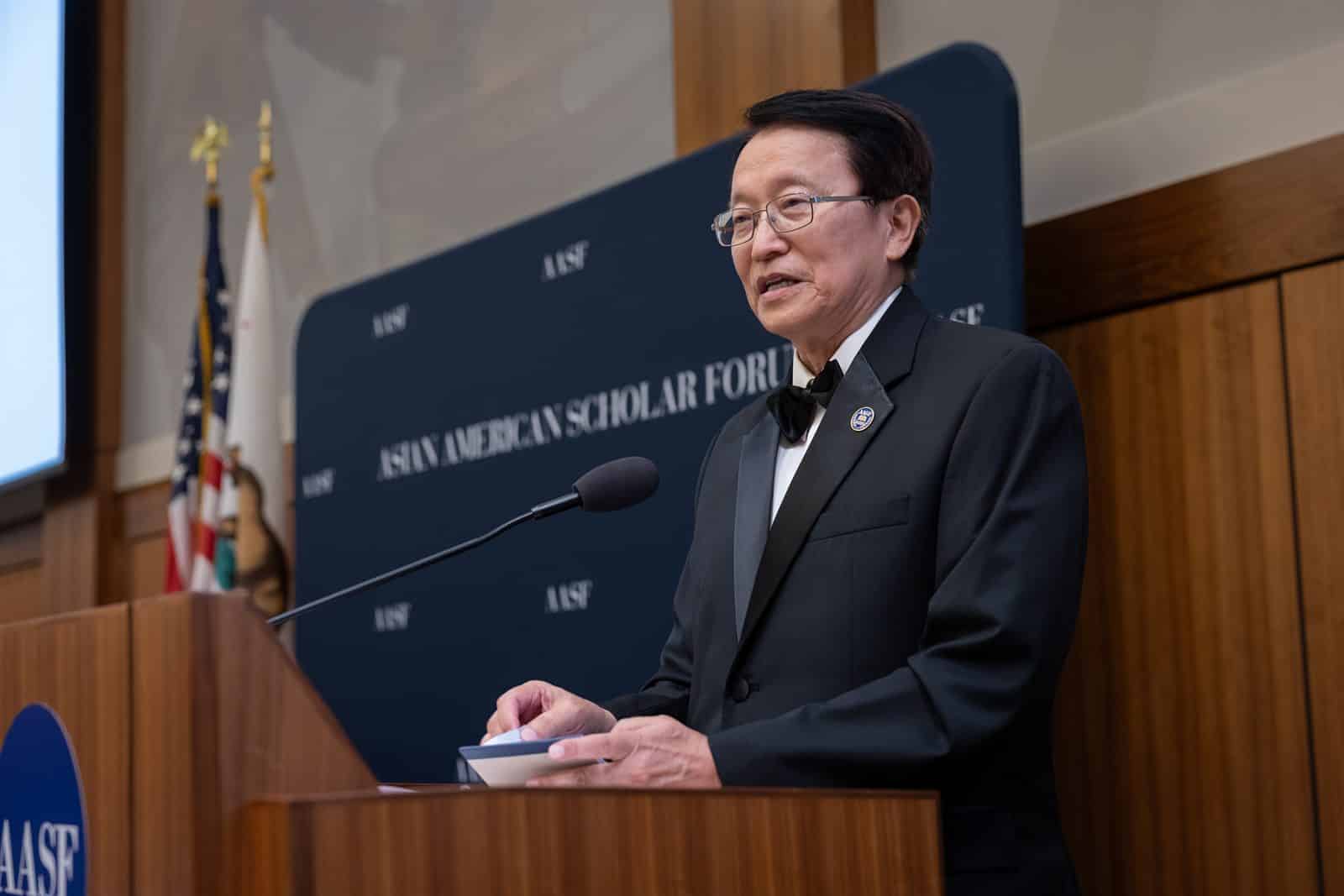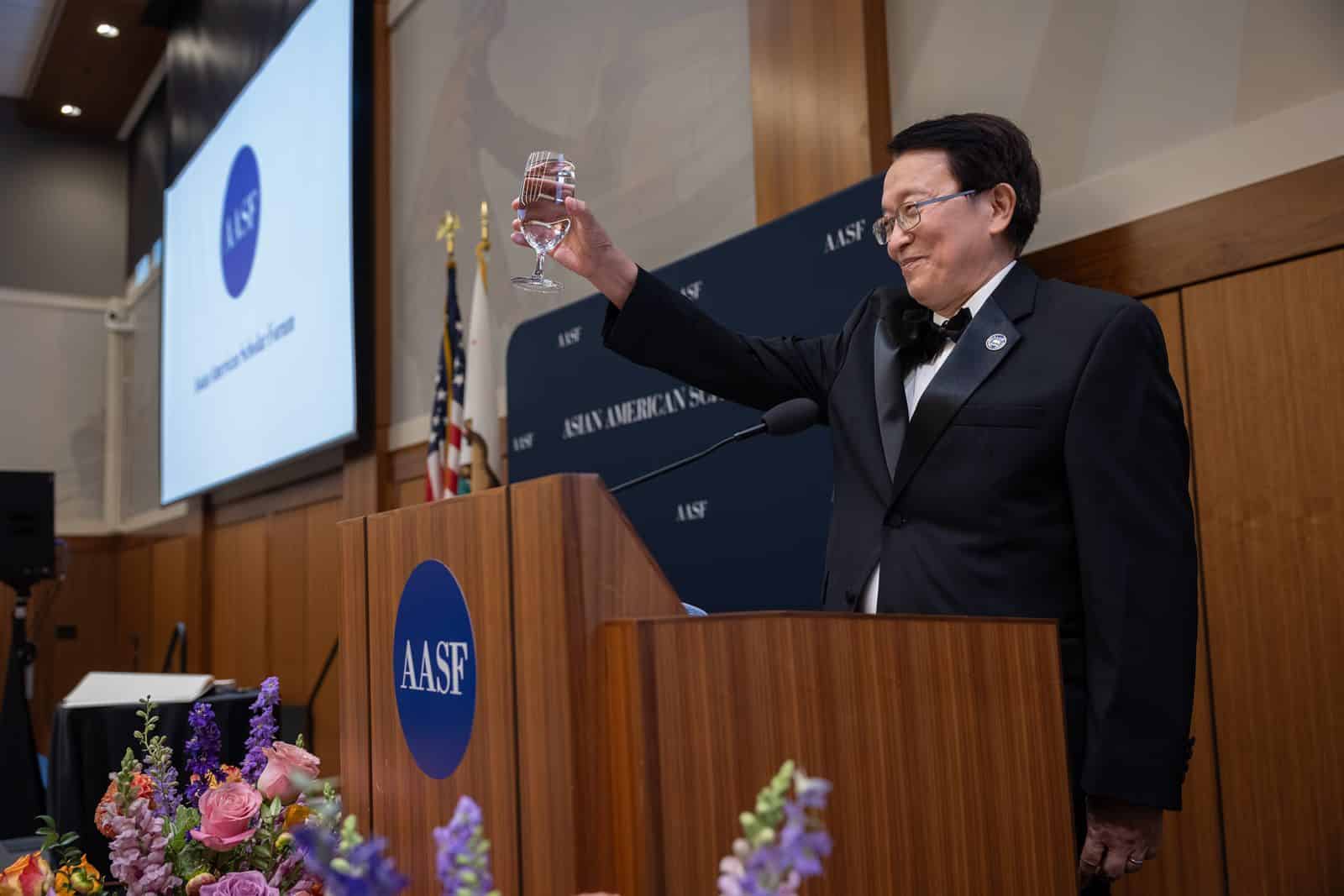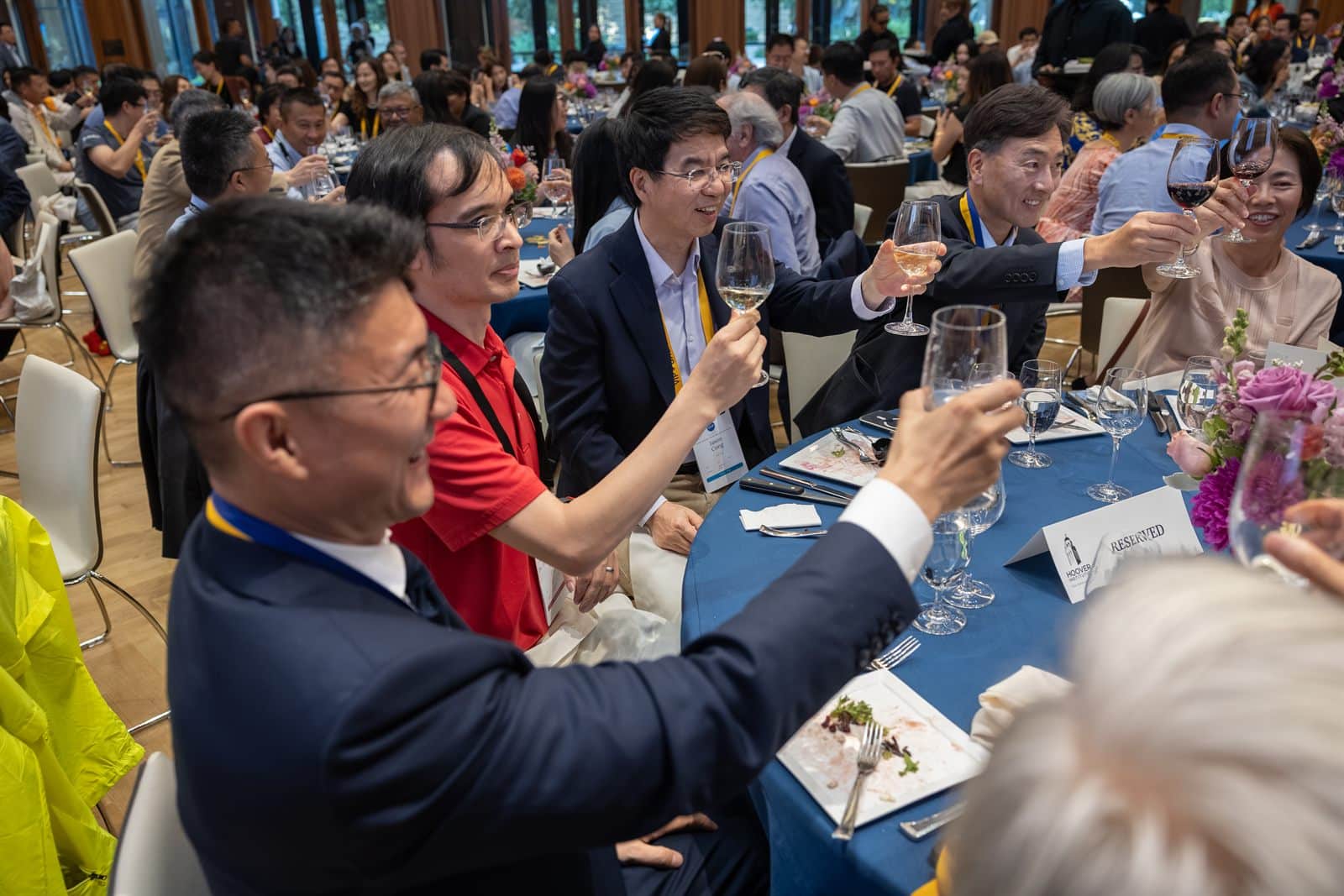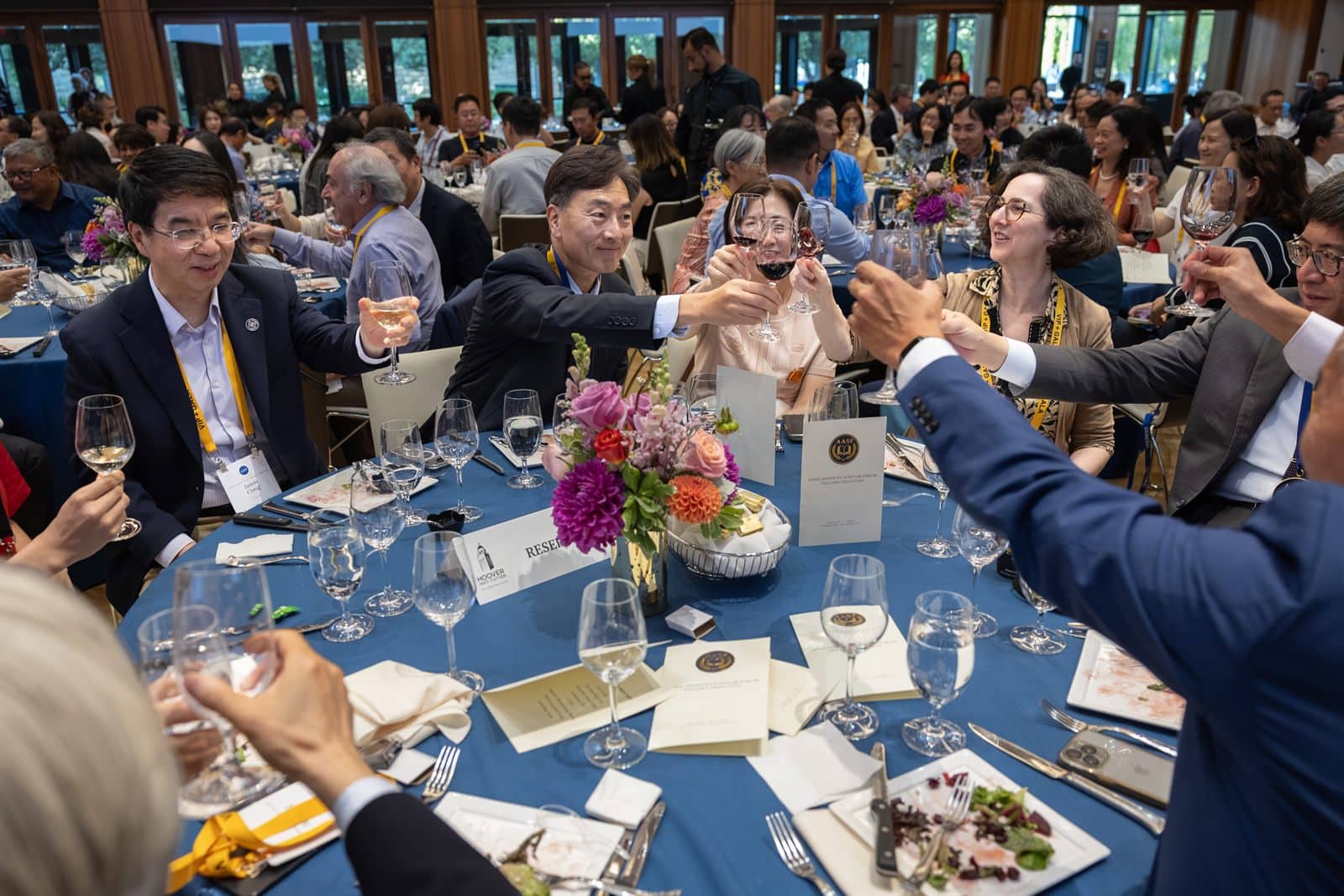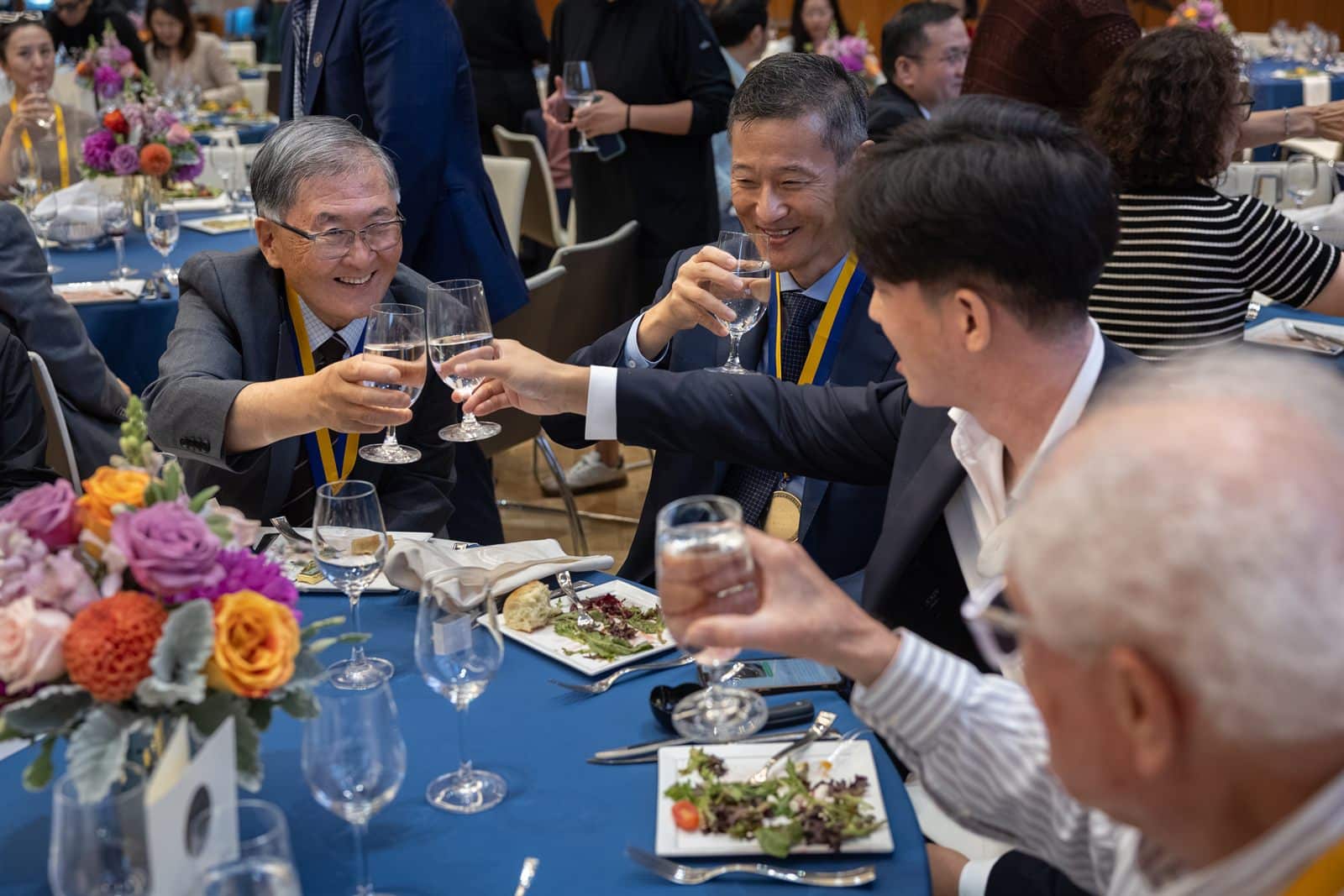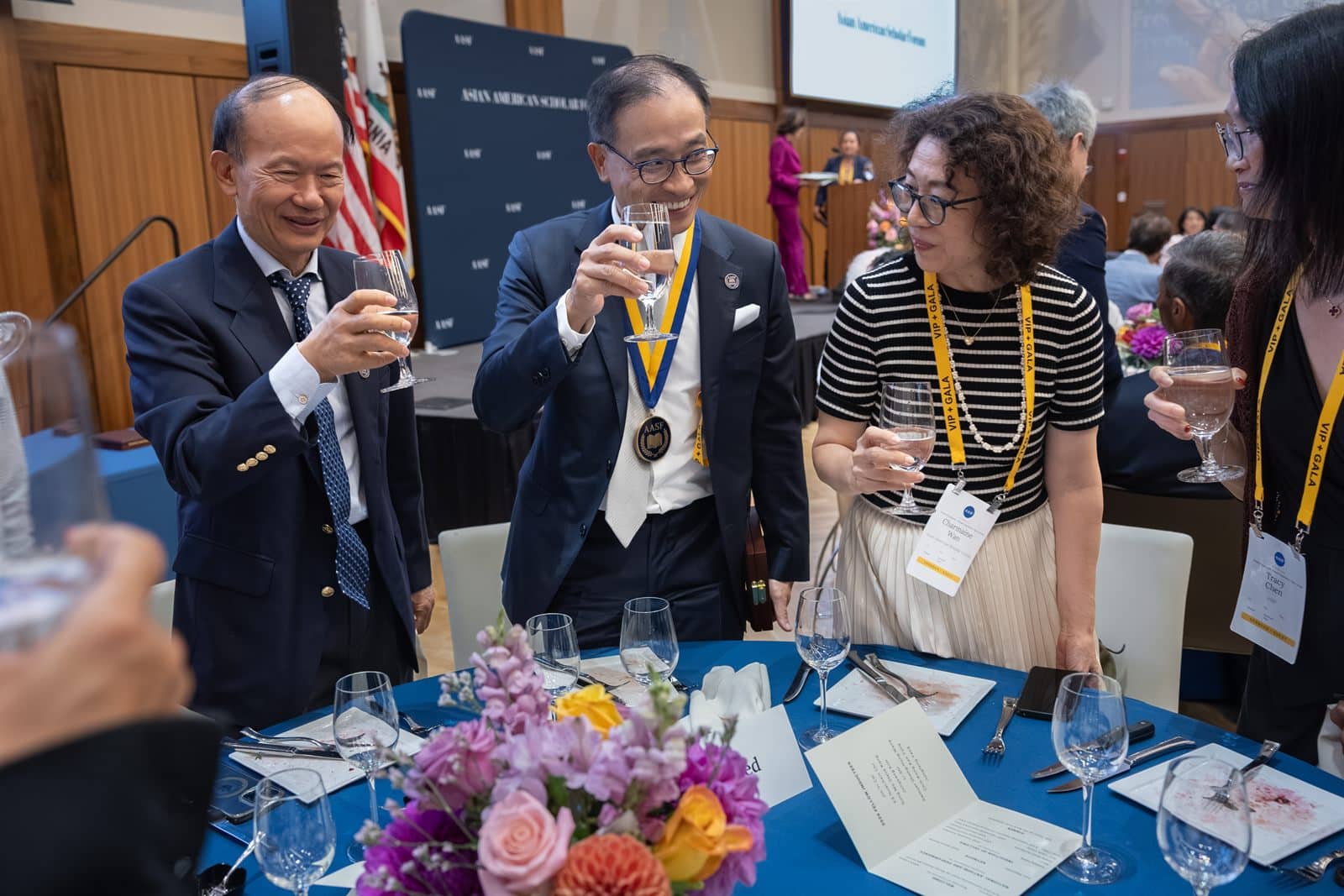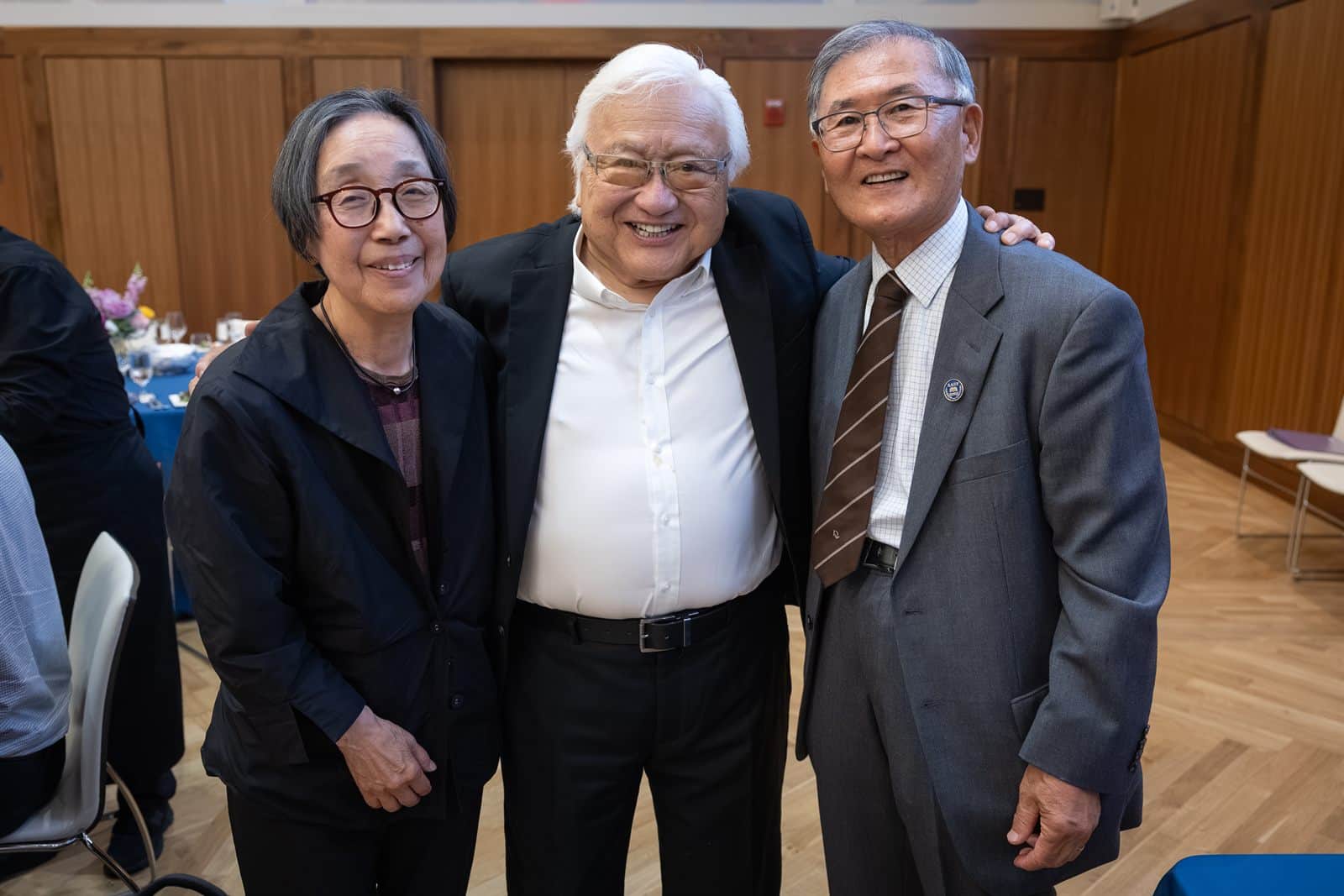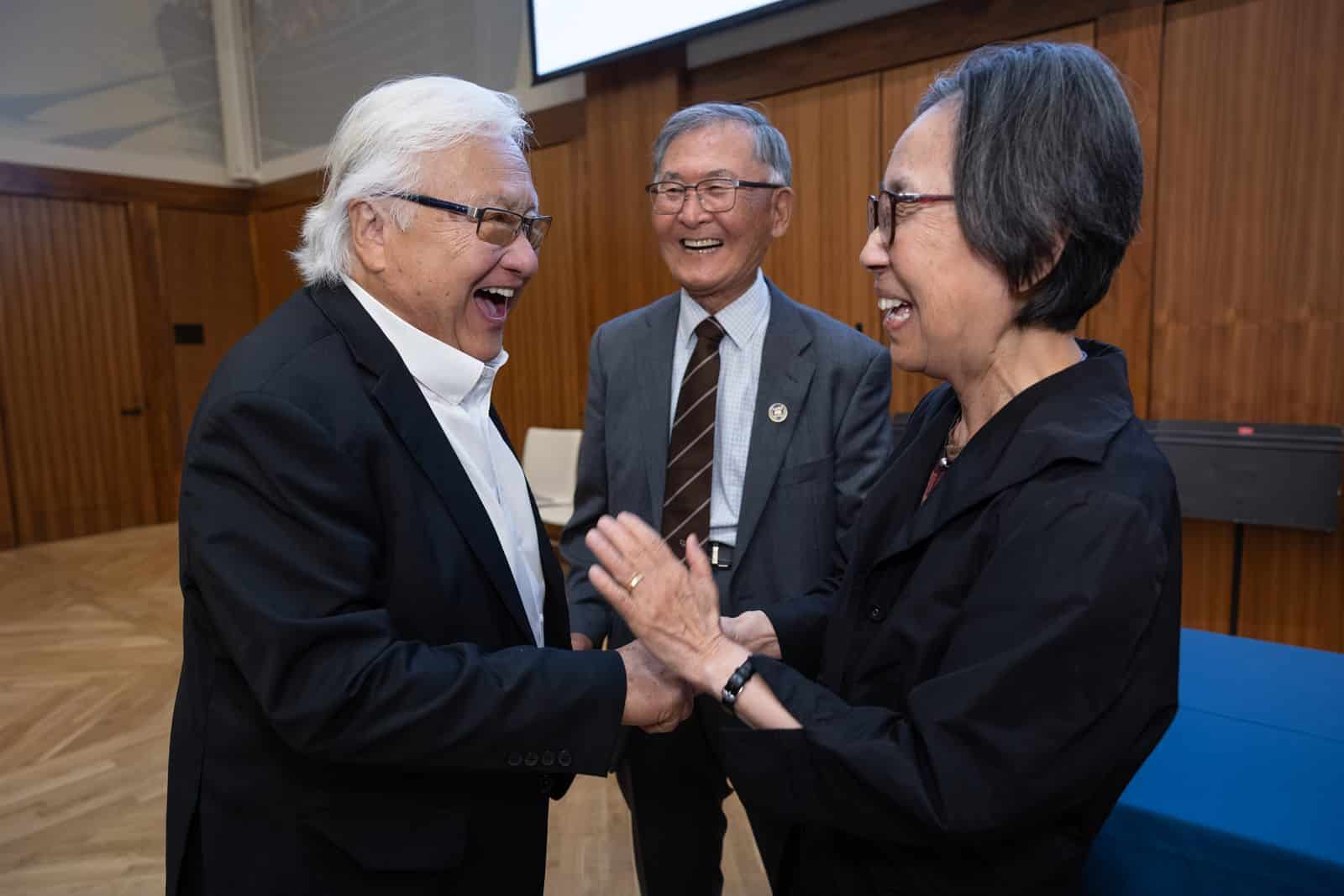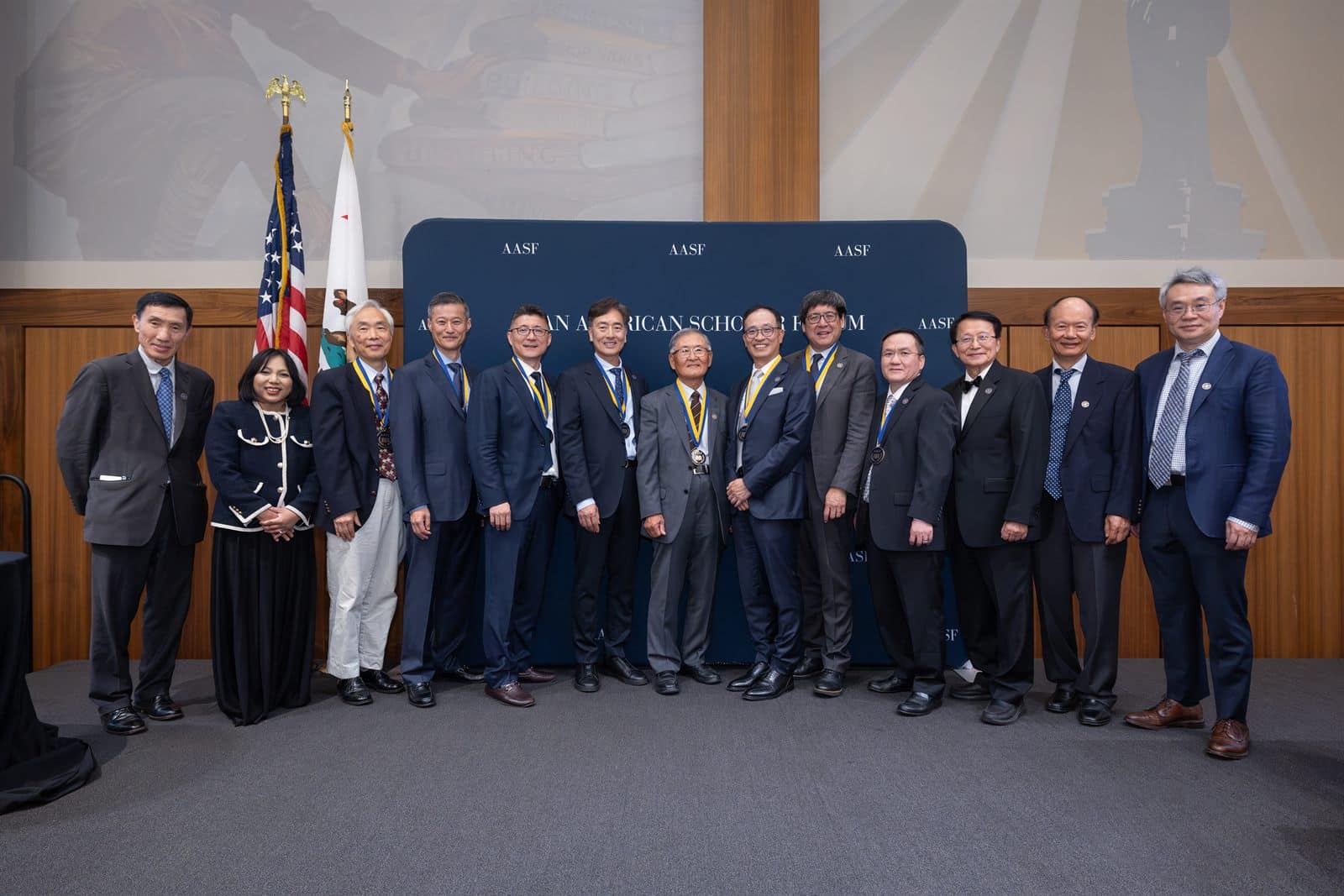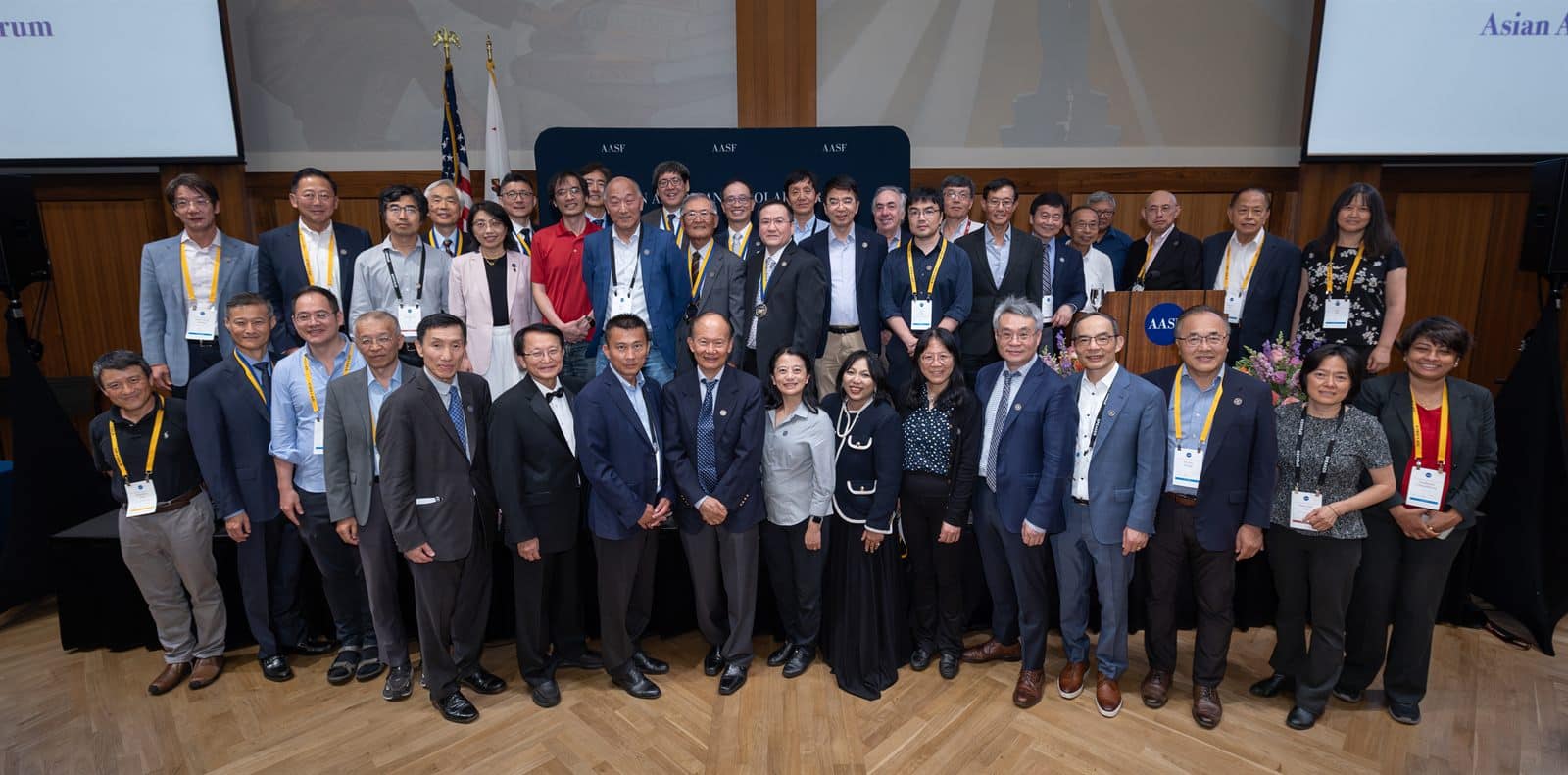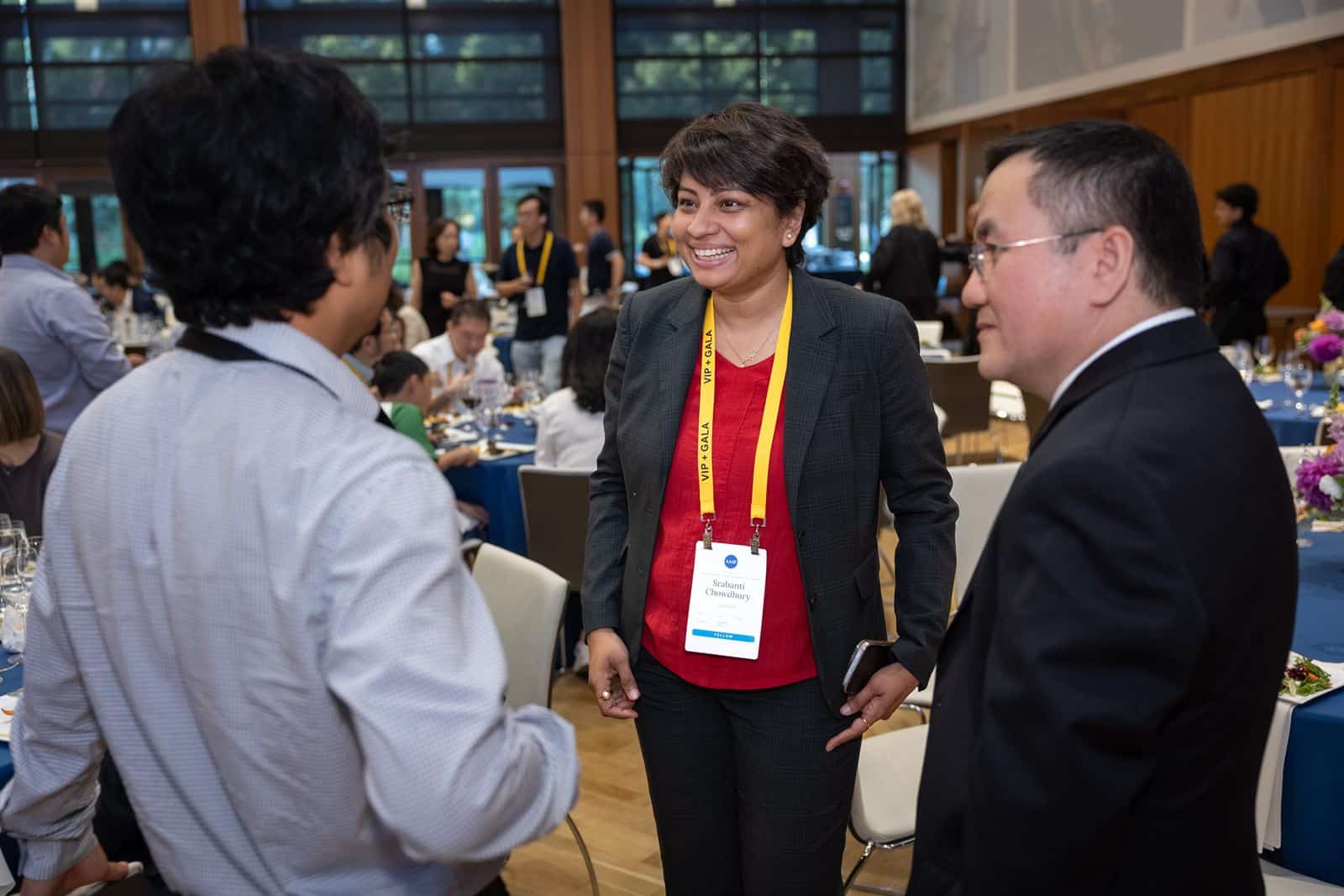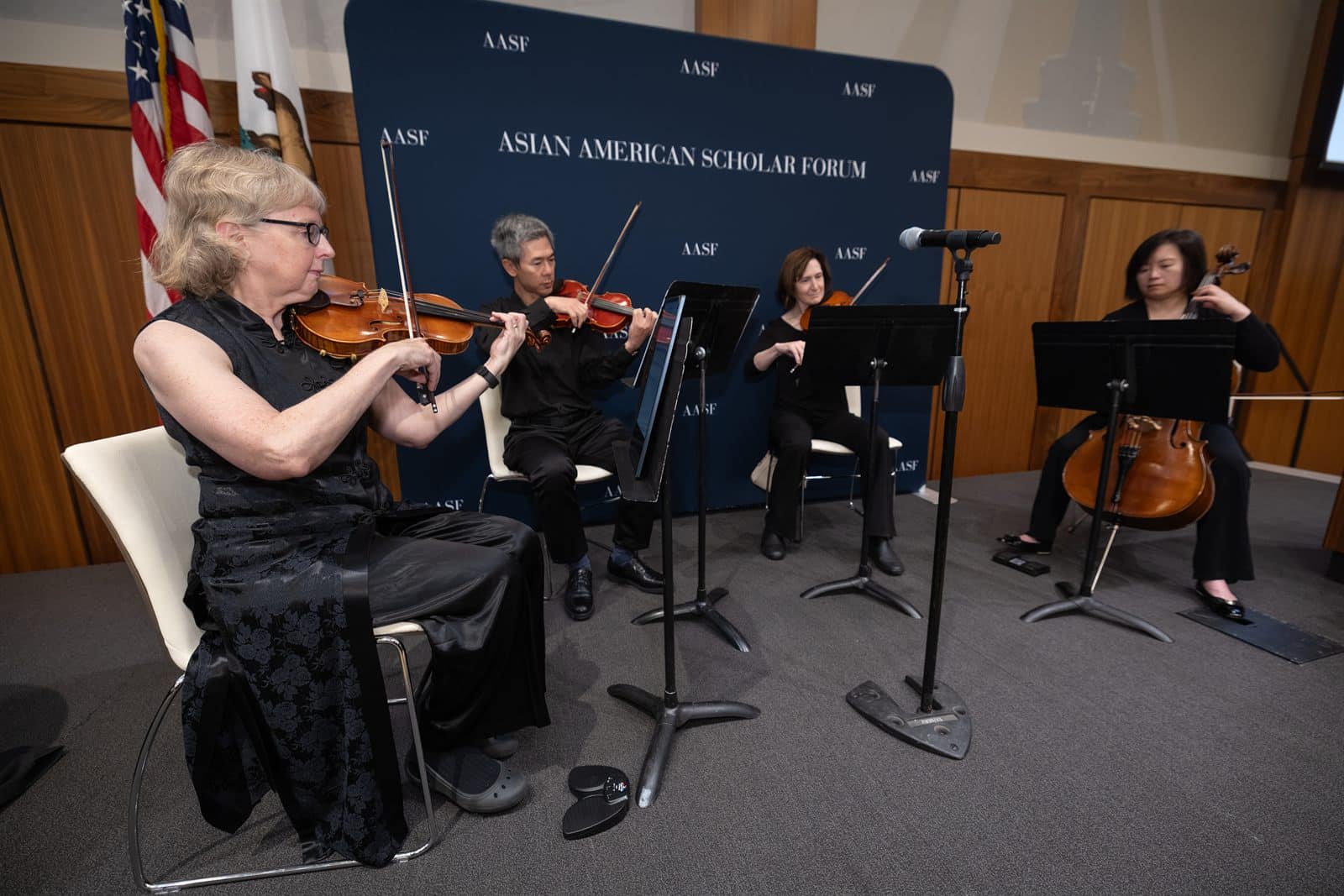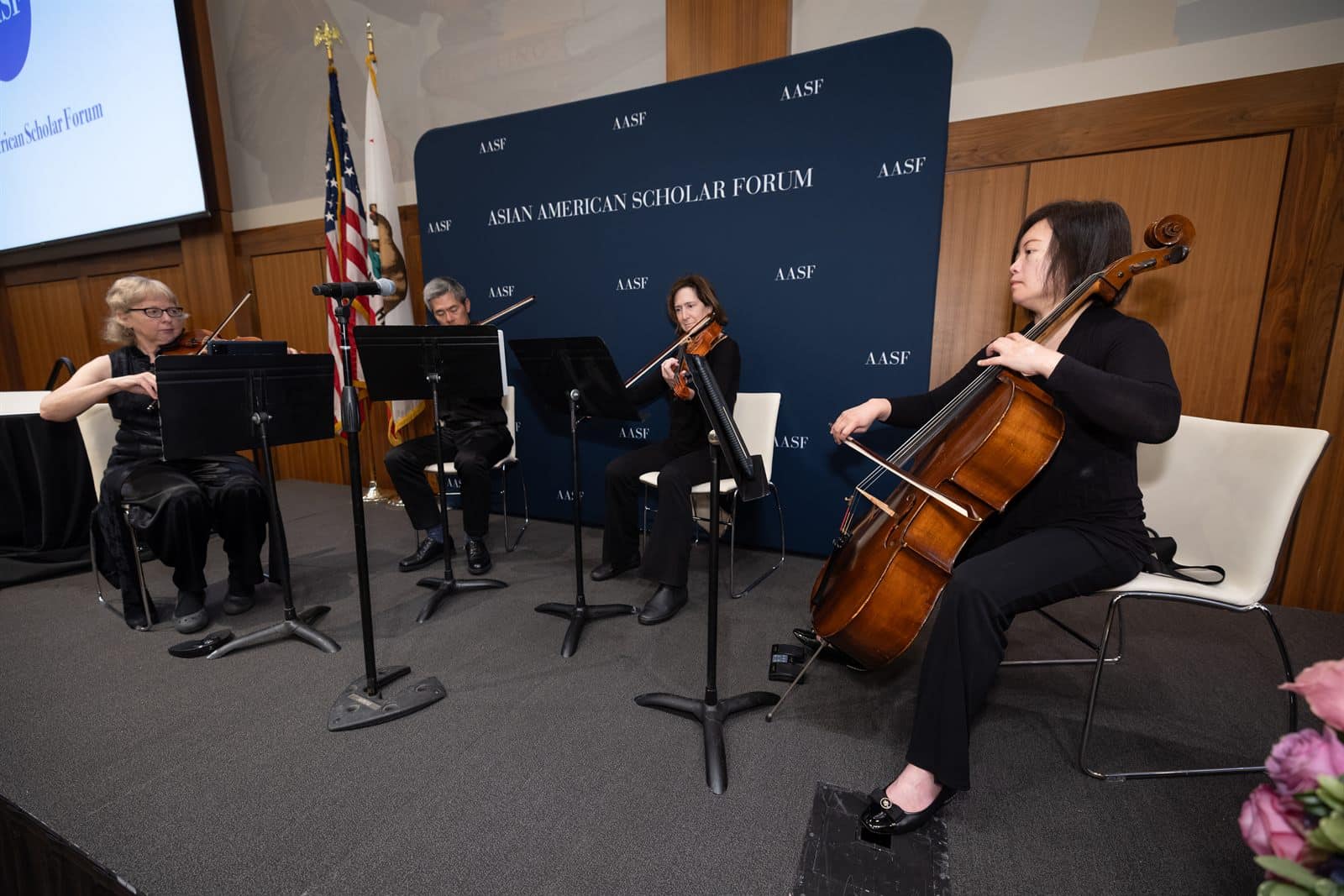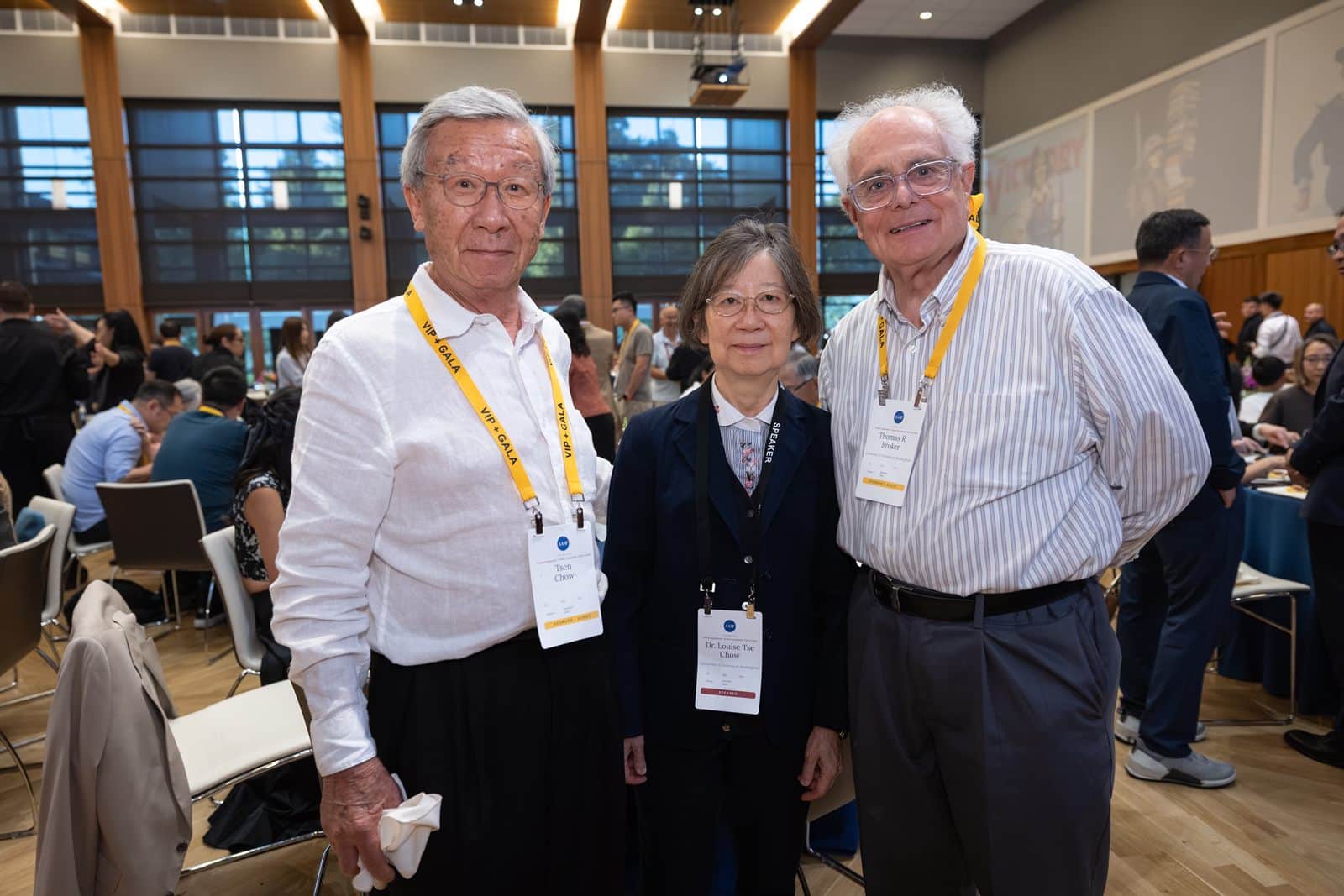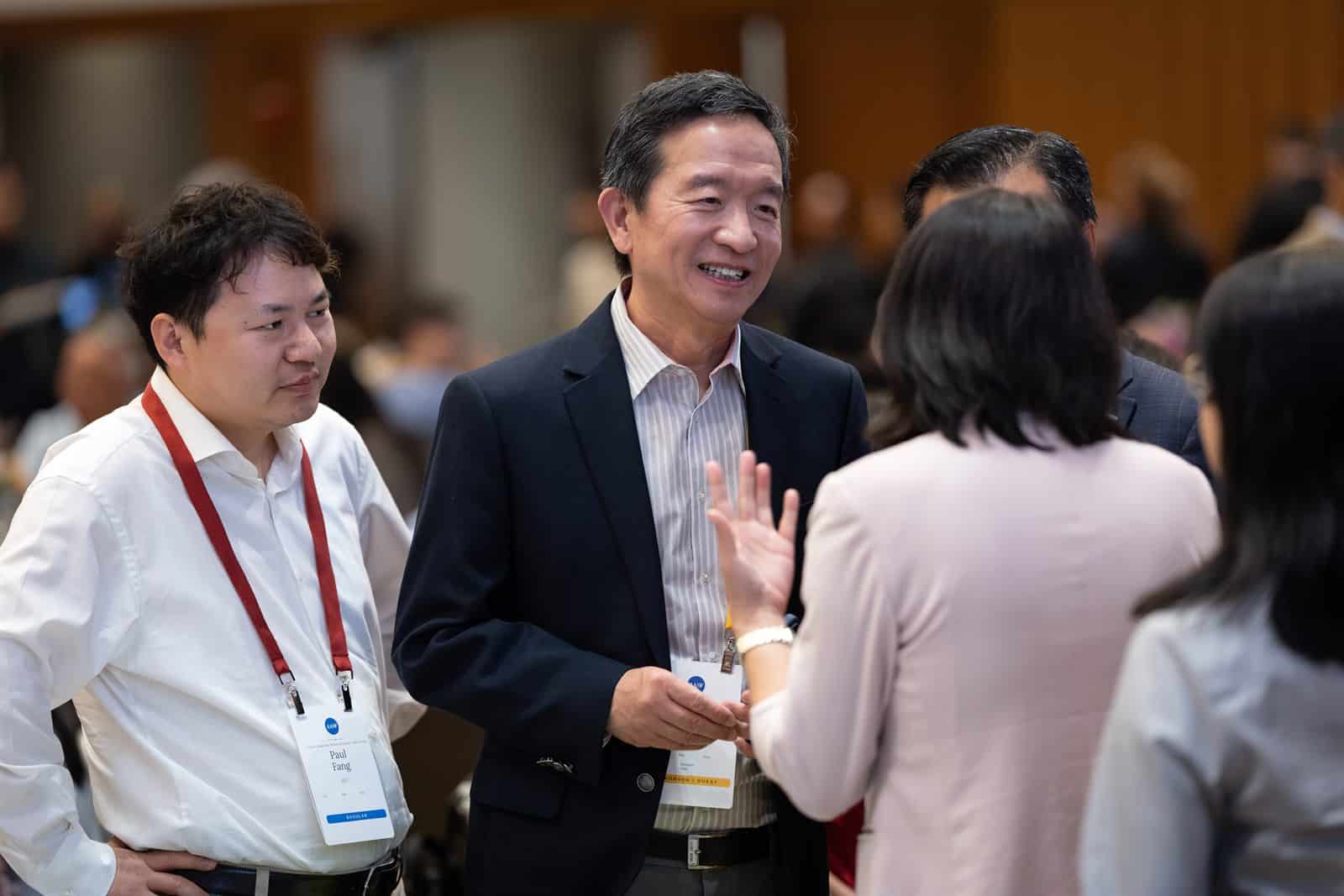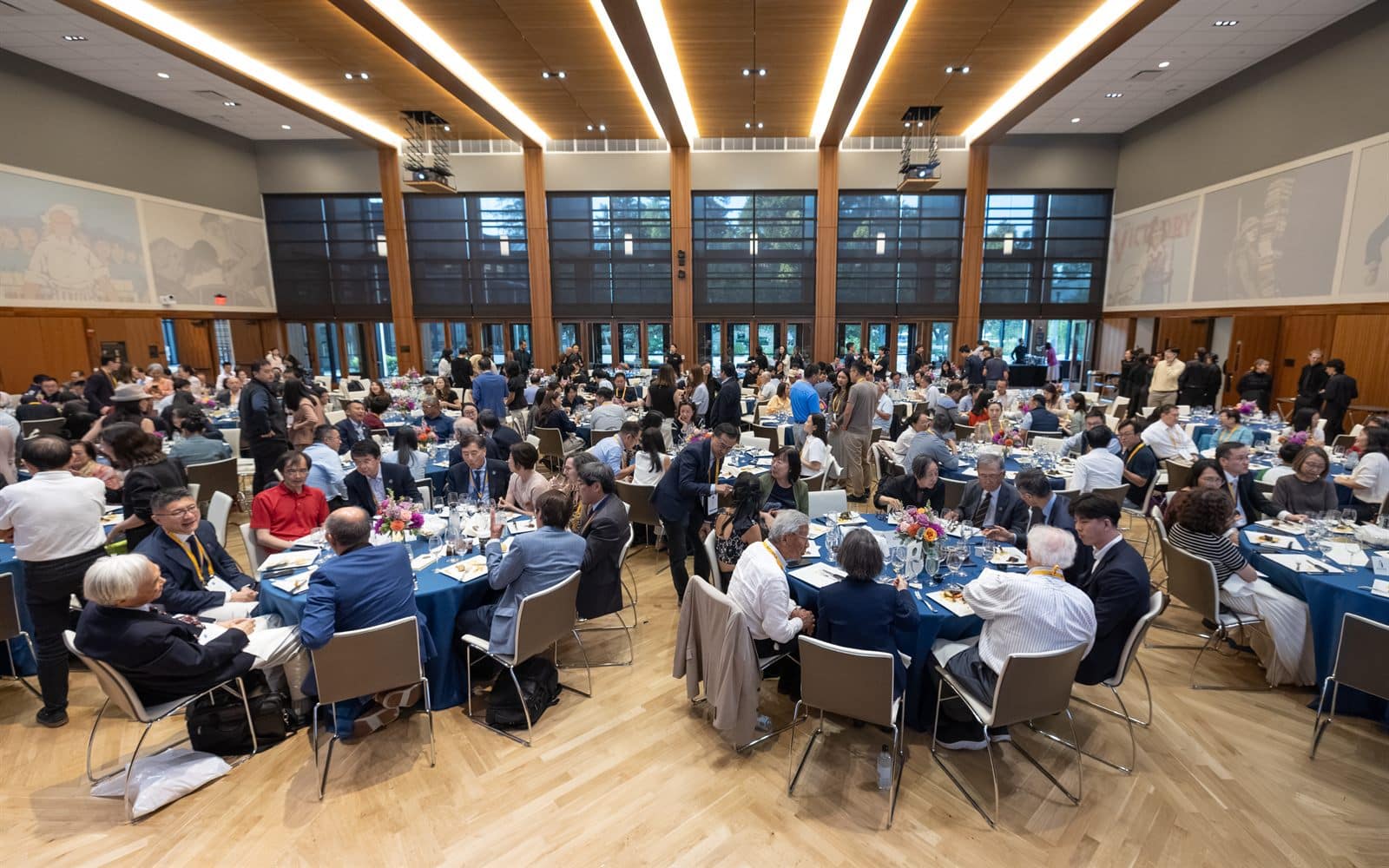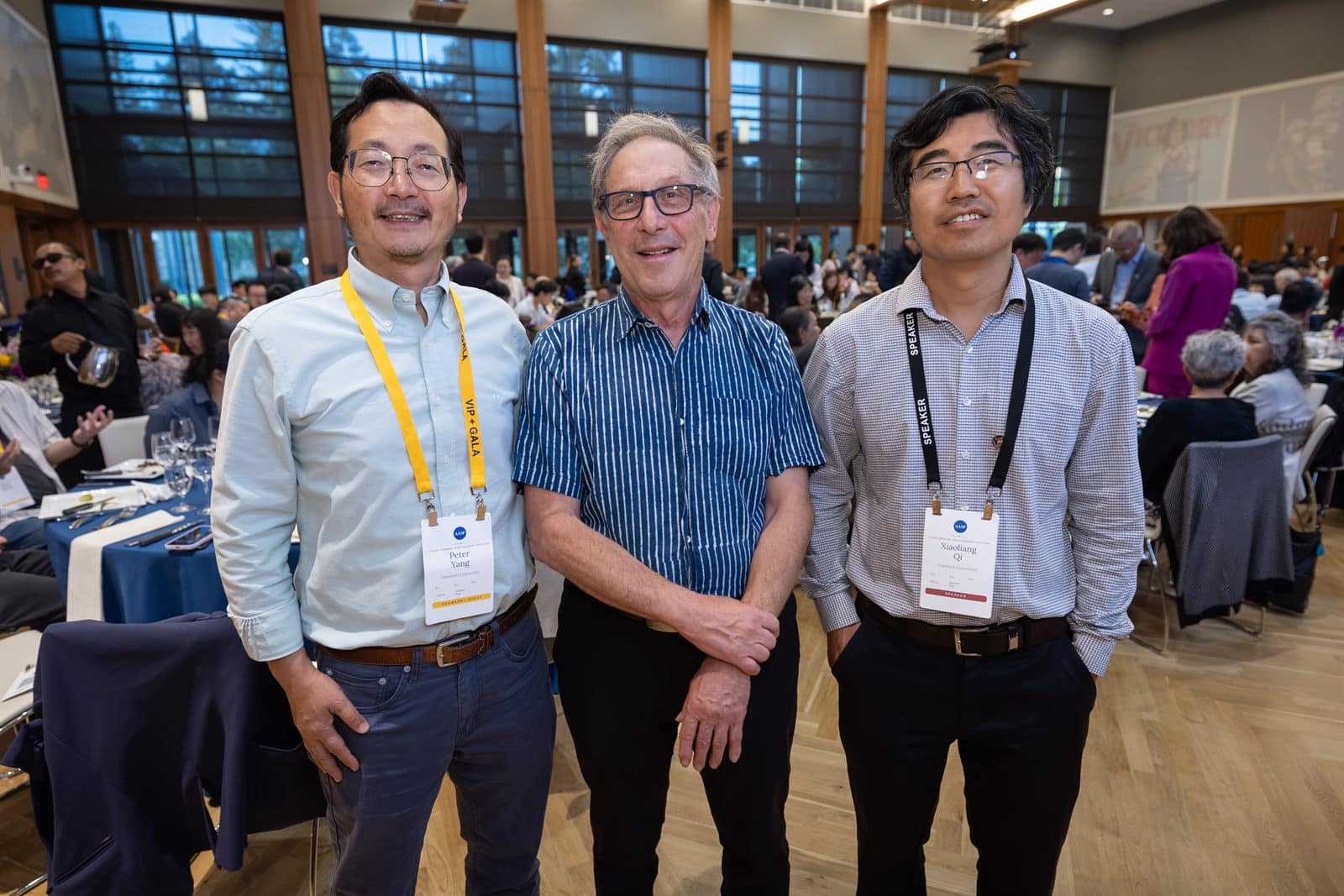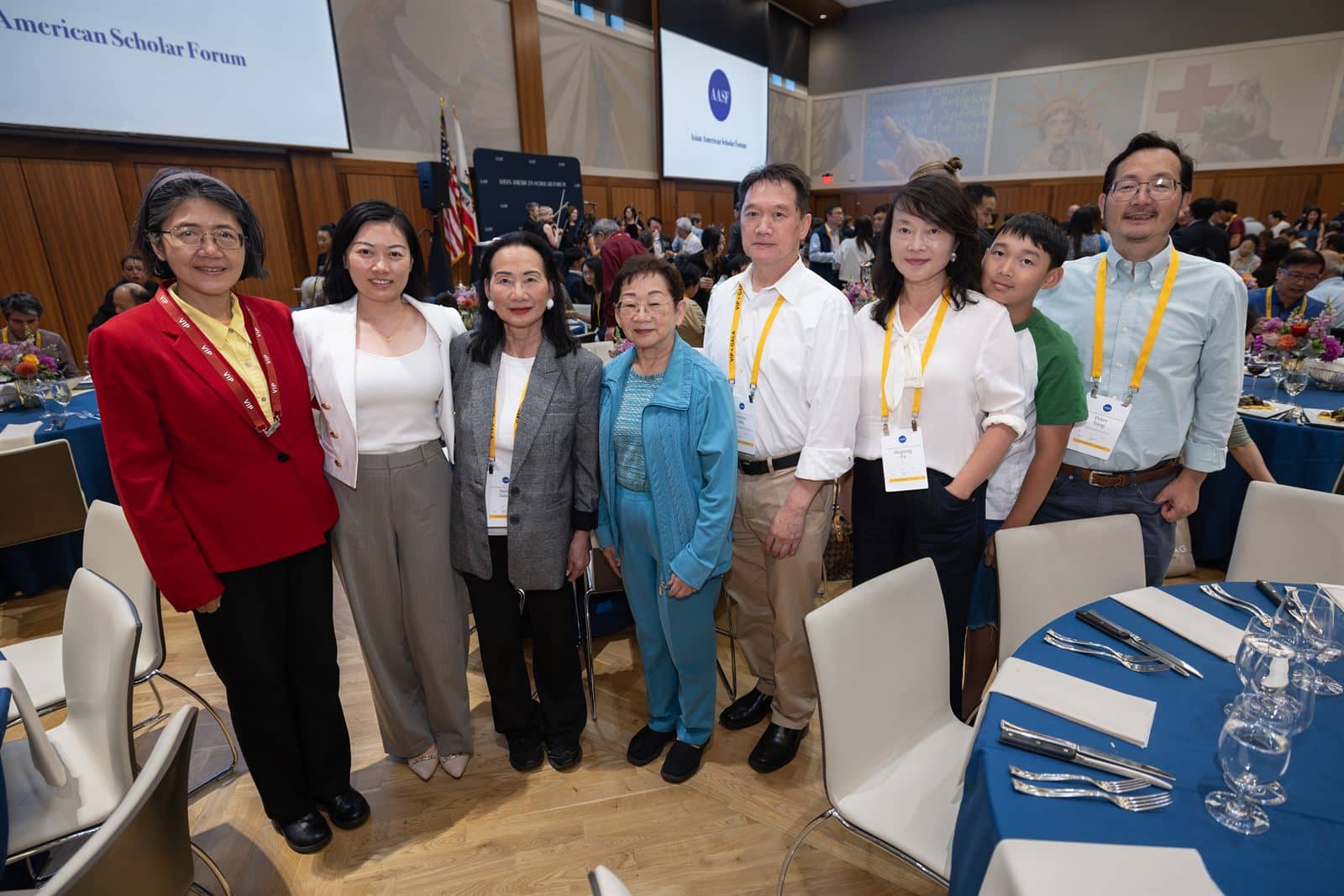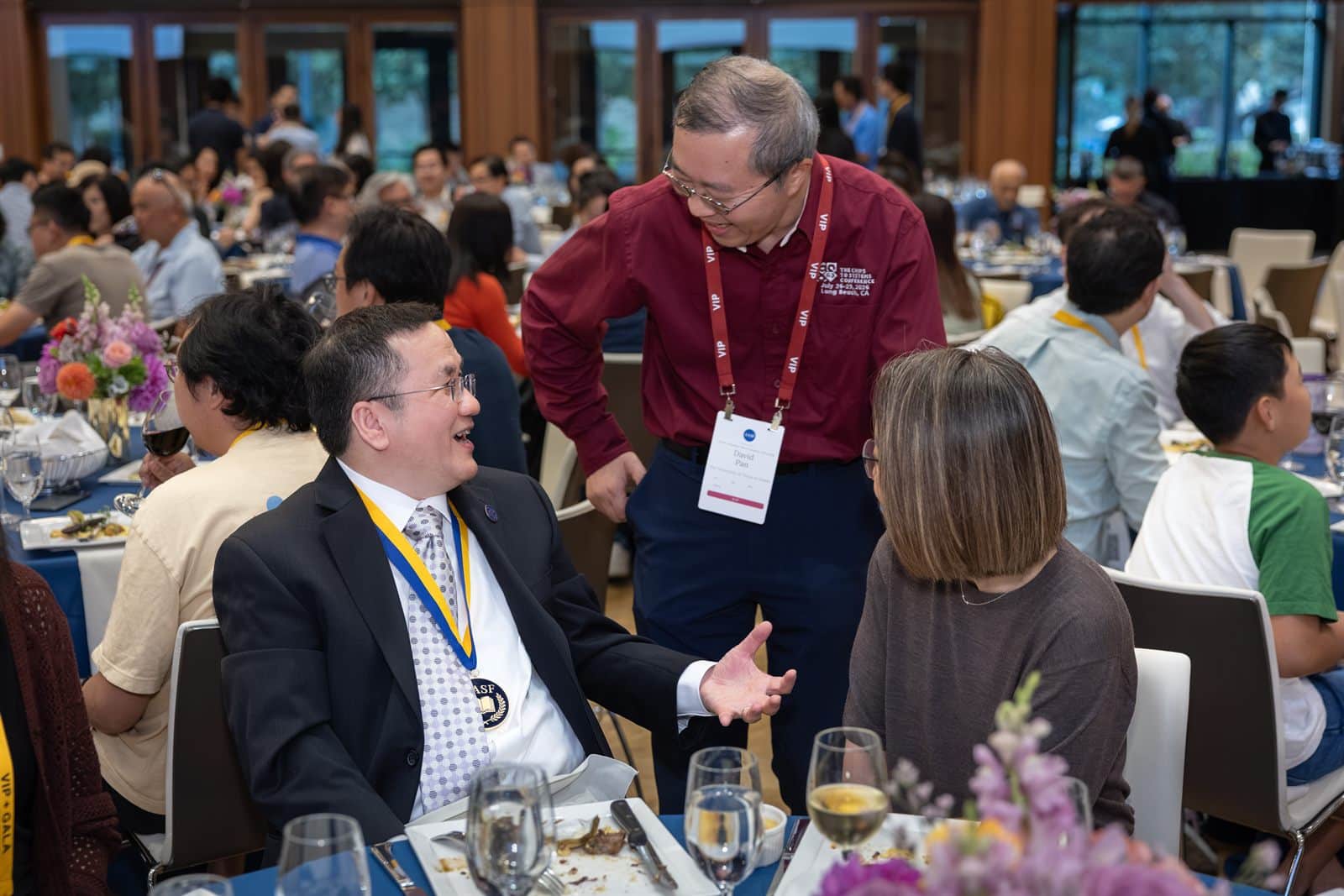

The Asian American Scholar Forum (AASF) was proud to host our inaugural induction ceremony for 2026 Fellows at this year’s Frontier Symposium hosted by Stanford University. Thank you to Dean Arun Majumdar (inaugural Dean of the Stanford Doerr School of Sustainability and Jay Precourt Provostial Chair Professor at Stanford University) for keynoting.
AASF is proud to announce the election of the following individuals as fellows for extraordinary contributions to scholarship, community, and leadership.
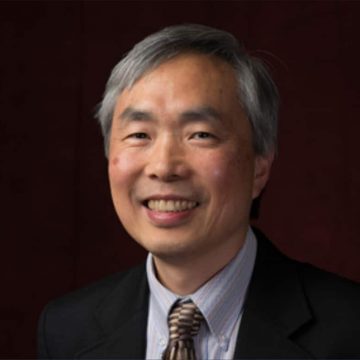
Jin-Yi Cai studied at Fudan University (class of ‘77). After his Ph. D. from Cornell (1986), he held faculty positions at Yale (1986-1989), Princeton (1989-1993), and SUNY Buffalo (1993-2000), rising from Assistant to Full Professor in 1996. Since 2000, he has been a Professor in Computer Science at the University of Wisconsin–Madison.
He works mainly in computational complexity theory. His research was recognized with a Gödel Prize in Theoretical Computer Science and a Fulkerson Prize in Discrete Mathematics.
His other awards include a PYI Award in 1990, a Sloan Fellowship in 1994, and a Guggenheim Fellowship in 1998. He was elected a Fellow of ACM, AAAS, AMS, and a foreign member of Academia Europaea.
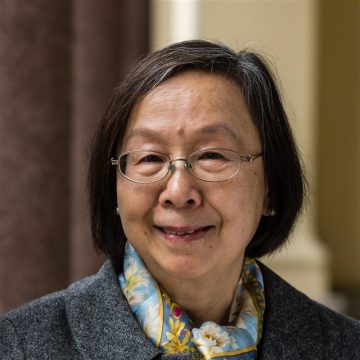
Professor Sun-Yung Alice Chang is the Eugene Higgins Professor of Mathematics of Princeton University, USA. She received her B.S. degree at the National Taiwan University (1966), her PhD at University of California, Berkeley (1974), and Doctor Honoris Causa, University Pierre and Marie Curie (2013). She has taught at various universities in the US, including U. of Maryland, UC Berkeley and UCLA before being appointed at Princeton University (1999), where she was chair of the Mathematics Department (2009-2012). Chang is a member of the American Academy of Arts and Sciences (2008-), a Fellow of the National Academy of Sciences of the US (2009-), Academician, Academia Sinica, Taiwan (2012-) and a Foreign Member of Royal Swedish Academy Sciences (2020-).
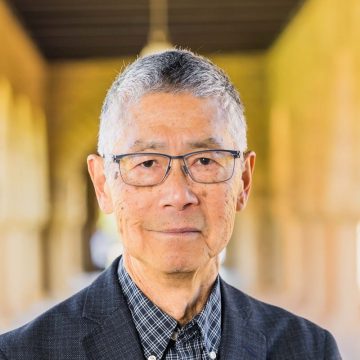
Gordon H. Chang is a professor of history at Stanford University and the Olive H. Palmer Professor in Humanities. His scholarship examines Asian American history, America-China relations, and international relations. He is a fourth generation Californian and grew up in the San Francisco East Bay. His degrees are from Princeton University and Stanford. In 2025, Stanford University Press published a selection of essays under the title, War, Race, Culture: Journeys in Trans-Pacific and Asian American Histories. He has been a three-time fellow at the Stanford Humanities Center and at the Huntington Library. He is a fellow of the American Academy of Arts and Sciences and member of the Committee of 100.
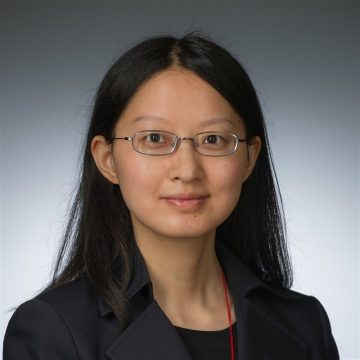
Dr. Ying (“Alison”) Cheng is Sweeney Family Collegiate Professor of Quantitative Psychology and Education at University of Notre Dame, and Fellow of the Institute for Educational Initiatives. She received her M.S. in Statistics and Ph.D. in Quantitative Psychology from the University of Illinois at Urbana-Champaign. Her research focuses on using latent variable models to make the measurement of non-observable human traits more accurate, efficient, informative and fair. These include item response theory (IRT) modeling, computerized adaptive testing (CAT), differential item functioning (DIF), cognitive diagnostic modeling (CDM), educational data mining (EDM) and so on. She has published more than 80 articles on these topics, and her work have been well recognized, including the Bradley Hanson Award for Contributions to Educational Measurement (2009), the Jason Millman Promising Measurement Scholar Award (2012) from the National Council on Measurement in Education, and the faculty CAREER award from the National Science Foundation (2014). She had the honor to serve as the Editor of the British Journal of Mathematical and Statistical Psychology for five years (2019 – 2023). She is an elected fellow of the Society of Multivariate and Experimental Psychology (2017), Association for Psychological Science (2019) and American Psychological Association (2024).
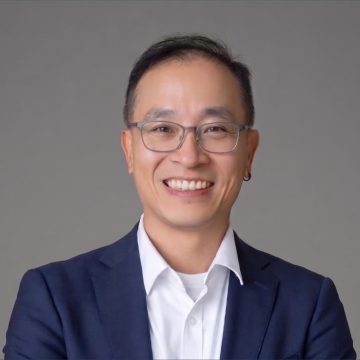
Ed H. Chi is VP of Research at Google DeepMind, leading research on large language models and machine learning–focusing on reasoning, recommendation, and planning.
As project team leader and Distinguished Scientist in Google Brain, he oversaw LLM modeling and post-training in Project LaMDA, initiated and oversaw LLM reasoning, including co-inventing Chain-of-Thought. Then, as the Research Platform Lead, he helped launched Bard/Gemini chatbots in 2023. More recently, his team demonstrated Astra universal assistant agents.
Ed earned his 3 degrees (B.S., M.S., and Ph.D.) in 6.5 years from University of Minnesota. Inducted as an ACM Fellow, and member of CHI Academy, he also received a 20-year Test of Time award for research in information visualization. An avid golfer, swimmer, photographer and snowboarder in his spare time, he also has a blackbelt in Taekwondo.
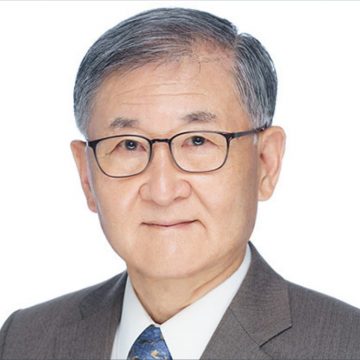
Sung-Mo Steve Kang is a Distinguished Professor Emeritus and Research Professor of the Baskin School of Engineering, UC Santa Cruz, Chancellor Emeritus of UC Merced, President Emeritus of KAIST, and Professor Emeritus and former Department Head of ECE at the University of Illinois at Urbana-Champaign. His research interests include memristors and memristive systems, low-power VLSI circuit design, and neuromorphic computing.
He has published over 500 journal and conference papers, 10 books, and holds 18 patents. Before returning to academia in 1985, he led the development of the world’s premier fully-CMOS 32-bit VLSI microprocessor chipsets for telecommunications and computing applications as a technical supervisor at AT&T Bell Laboratories in Murray Hill, New Jersey. This development was recognized as an IEEE Milestone in February 2025.
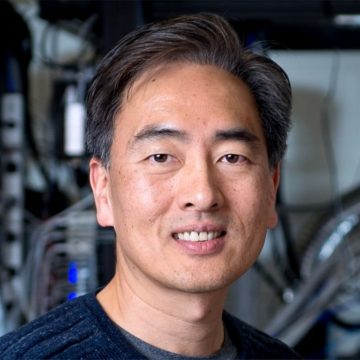
Jungsang Kim leads the Multifunctional Integrated Systems Technology group at Duke University. He has worked across academia and industry throughout his career, leading research in quantum devices and systems, as well as technology development and commercialization of cutting-edge research outcomes. His work focused on system development of ion trap technology leveraging micro fabrication and advanced photonic devices.
His visionary research efforts were instrumental in establishing the scientific and engineering foundations of quantum computing and its commercialization, opening new frontiers in computation and communication with profound implications for science, industry, and national security.
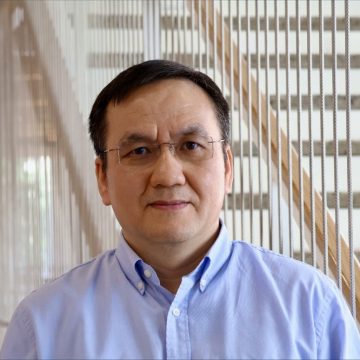
Li Shi has made seminal contributions and provided visionary leadership to the science and engineering of ultrahigh-thermal-conductivity materials and the broader field of thermal science.
His pioneering work uncovered size-scaling behaviors and substrate effects on graphitic nanomaterials for thermal management. He led a multidisciplinary and multi-institutional program that successfully demonstrated boron arsenide as the first known bulk semiconductor with ultrahigh thermal conductivity.
A distinguished leader in the thermal science community, Dr. Shi has served as the Editor-in-Chief of a classical journal and organized federal workshops to advocate for frontier thermophysical engineering research at the intersection of materials and quantum sciences.
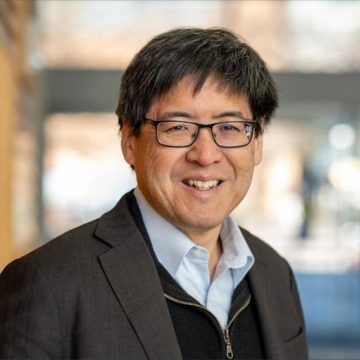
A Princeton neuroscientist for over two decades, Dr. Wang’s lab has advanced the understanding of the cerebellum’s role in autism and cognition. His work uses advanced optical and computational methods for data reduction.
Beyond the lab, he founded the Princeton Gerrymandering Project, developing mathematical standards for detecting partisan gerrymandering that have been cited in U.S. Supreme Court decisions and shaped redistricting nationwide.
In 2026, he extended that commitment to civic life directly, running for the Democratic nomination in NJ-12—finishing third in a thirteen-candidate field, backed by Nobel laureates and scientists across New Jersey.
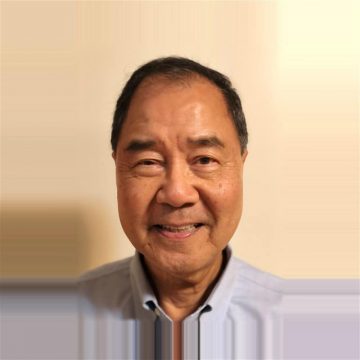
Kang L. Wang is Distinguished Raytheon Chair Professor UCLA in the Departments of ECE, MSE, and Physics/Astronomy. He received his M.S. and Ph.D. degrees from the Massachusetts Institute of Technology and his B.S. degree from National Cheng Kung University. He is a Guggenheim Fellow, Fellows of American Physical Society and IEEE, and an Academician of Academia Sinica. He is a recipient of the IEEE Ebers Award, the Néel Medal from the International Union of Pure and Applied Physics, Advanced Material Award. His research areas include semiconductors, topological matters, spintronics, low energy efficiency computing, and quantum information/computing.
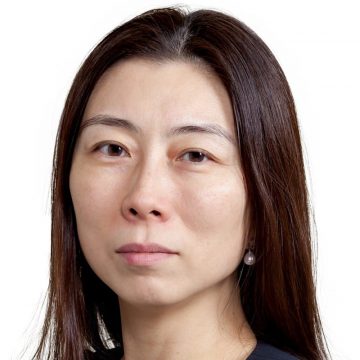
Prof. Guiling “Grace” Wang, Ph.D., CFA, is a Distinguished Professor of Data Science at NJIT and founding director of NJIT’s AI Center for Research. She held associate dean roles from 2020 to 2026 before taking a sabbatical at Princeton. Her research advances AI and blockchain in finance, transportation, and beyond. She is the sole academic representative on the New Jersey Supreme Court Committee on AI and the Law and serves on a separate New Jersey Supreme Court Committee on Access and Fairness. She served on the Governor’s AI Task Force Innovation Group and is an AI expert for the U.S. Department of Homeland Security’s SAGE program.
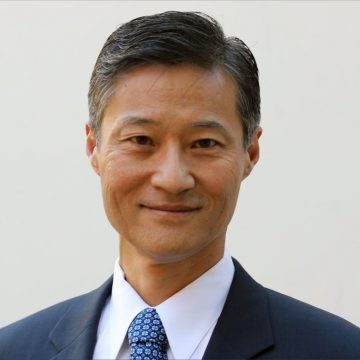
Professor C.K. Ken Yang is a Professor in the UCLA Samueli School of Engineering and the inaugural holder of the Tatsuo Itoh Endowed Chair in Electrical and Computer Engineering.
An IEEE Fellow and Fellow of the IET, his pioneering research in high-performance mixed-signal integrated circuits, VLSI design, and high-speed data communications has advanced modern computing and networking technologies.
He has authored more than 150 scholarly publications, is the Director of Integrated Circuits and Systems Laboratory, and collaborated extensively with leading technology companies. A recent Chairman of the ECE Department and dedicated educator, Professor Yang has received numerous honors for excellence in teaching, research, innovation, and service to the engineering community.
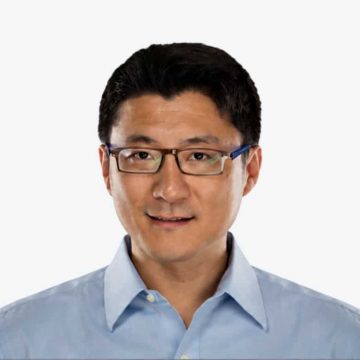
Junfeng Yang is a Professor of Computer Science at Columbia University. His research sits at the intersection of AI, security, and software systems, addressing critical vulnerabilities and performance bottlenecks in today’s complex platforms.
Professor Yang’s work has impacted billions of users, driving vulnerability patches and shaping engineering practice in systems ranging from Linux to NASA’s Perseverance Mars rover.
He is an ACM Fellow and a recipient of the ACM SIGOPS Mark Weiser Award, the IEEE Symposium on Security & Privacy Test-of-Time Award, and an Alfred P. Sloan Research Fellowship. He earned his PhD in Computer Science from Stanford University and his BS from Tsinghua University.
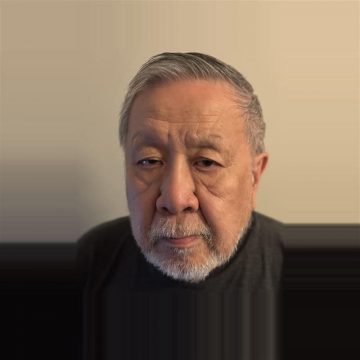
Paul Chien-Ping received his B.S in 1970 and his Ph.D. in mathematics from University of California, Berkeley. Since then, he has taught at various universities in the US including University of Southern California from 1981 to 1998, he moved to Princeton in 1998 and is now Professor of Mathematics at Princeton University.
He was born and grew up in Taiwan, immigrated with parents to the US in 1965. The branch of mathematics he works on is called “geometric analysis”, using methods in analysis to study problems in geometry. The connection to analysis is particularly strong for problems in “conformal geometry”, which is the study of angle preserving transformations. GoGeometry.com has some fun 2 dimensional examples of such transformations.
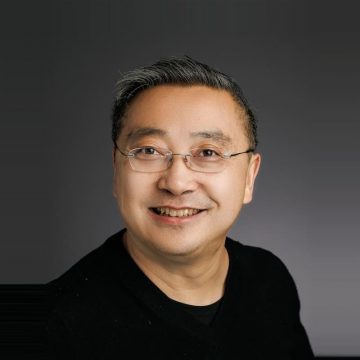
Lin Zhong received his B.S and M.S. from Tsinghua University and Ph.D. from Princeton University. From 2005 to 2019, he was with Rice University.
At Yale, he leads the Efficient Computing Lab to make computing, communication, and interfacing more efficient and effective. He and his students received the best paper awards from ACM MobileHCI, IEEE PerCom, ACM MobiSys (3), ACM ASPLOS, IEEE QCE and NDSS. He is a recipient of the NSF CAREER Award, the Duncan Award from Rice University, the RockStar Award (2014) and Test of Time Award (2022) from ACM SIGMOBILE. He is a Fellow of IEEE and ACM.
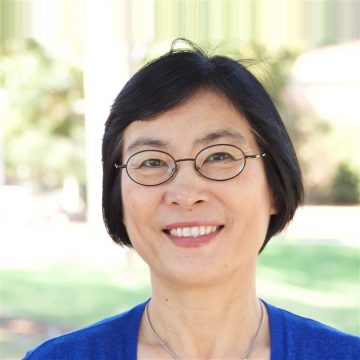
Dr. Min Zhou is Distinguished Professor of Sociology and Asian American Studies at the University of California, Los Angeles (UCLA). She is an elected member of both the U.S. National Academy of Sciences and the American Academy of Arts and Sciences. Internationally recognized for her scholarship, Dr. Zhou’s research spans migration and development, race and ethnicity, Chinese diaspora studies, urban sociology, and the sociology of Asia and Asian America. She has published extensively in these fields, authoring influential books and articles that have advanced understandings of immigration, transnationalism, ethnic communities, social integration, and structured inequalities in contemporary societies.
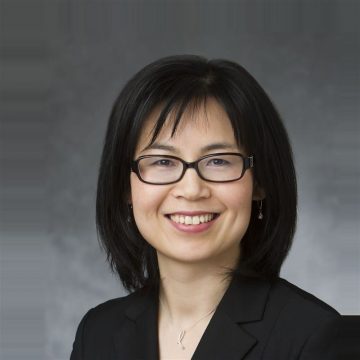
Juhua Zhu is the founder and Chief Executive Officer of Aigen Investment Management, a global investment firm specializing in diversified systematic strategies. Prior to founding Aigen, Juhua was a Managing Director in the Institutional Equity Division at Morgan Stanley in New York, where she focused on developing systematic trading strategies for global equity markets. Juhua holds a Ph.D. in Electrical Engineering from Princeton University, with a minor in Operations Research and Financial Engineering. Her academic research centered on pattern recognition, computer vision, and multimedia processing.